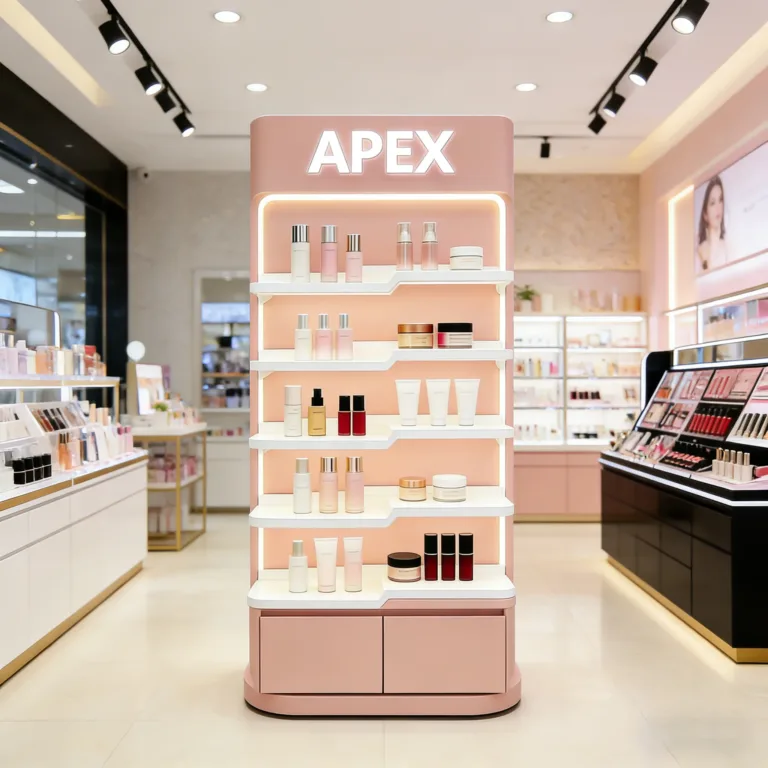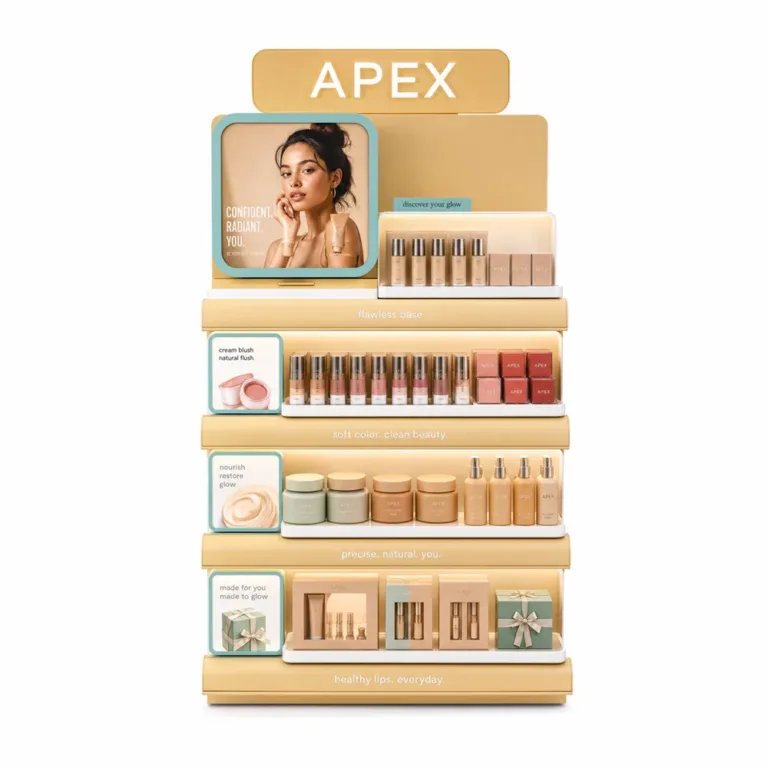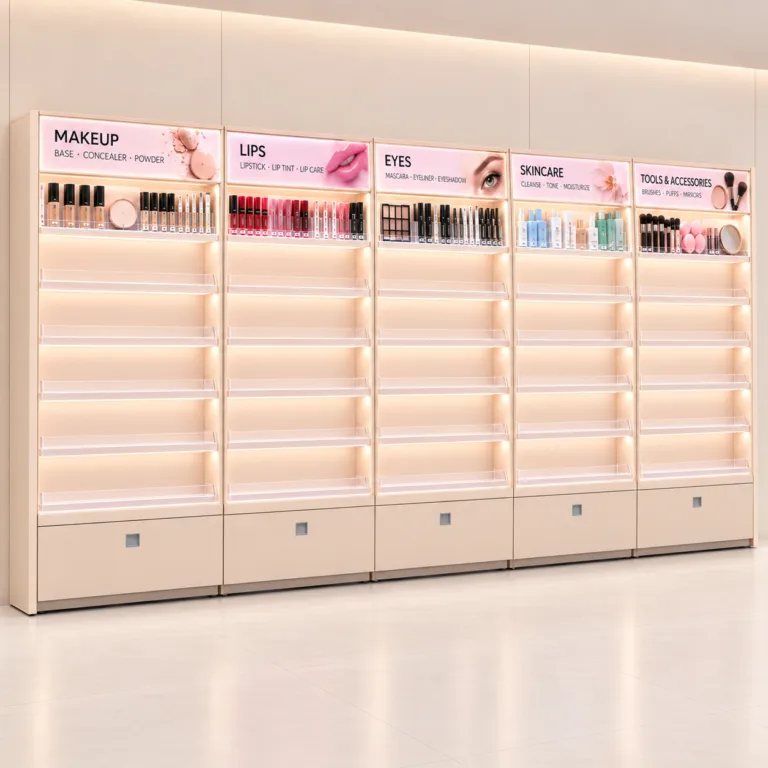
The way products are displayed can say as much about a brand as the products themselves. In physical retail spaces, presentation is part of the product experience. Consumers don’t just browse; they observe, compare, and make assumptions based on visual cues. Choosing the right display material—often between acrylic and glass—has more impact than it first appears. While both can achieve a clean, transparent look, only one consistently delivers the durability, flexibility, and practicality that modern retail demands.
What Is an Acrylic Display Stand?
An acrylic display stand is made from polymethyl methacrylate (PMMA), a strong and transparent thermoplastic that resembles glass but performs much differently. It’s lightweight, shatter-resistant, and remarkably adaptable to shaping, printing, and structural design. These properties make acrylic a favorite among display designers who need more than a flat surface—they need brand-aligned structures that fit specific retail environments.
Acrylic is particularly popular in cosmetic retail, electronics displays, vape merchandising, and pop-up booths. Unlike generic shelving, an acrylic stand can be molded to a brand’s unique identity, whether that means minimalist sophistication or bold, illuminated storytelling. It combines structure with surface appeal—clear enough to showcase the product but strong enough to hold attention in a crowded space.
Why Acrylic Display Stands Are Often Better Than Glass
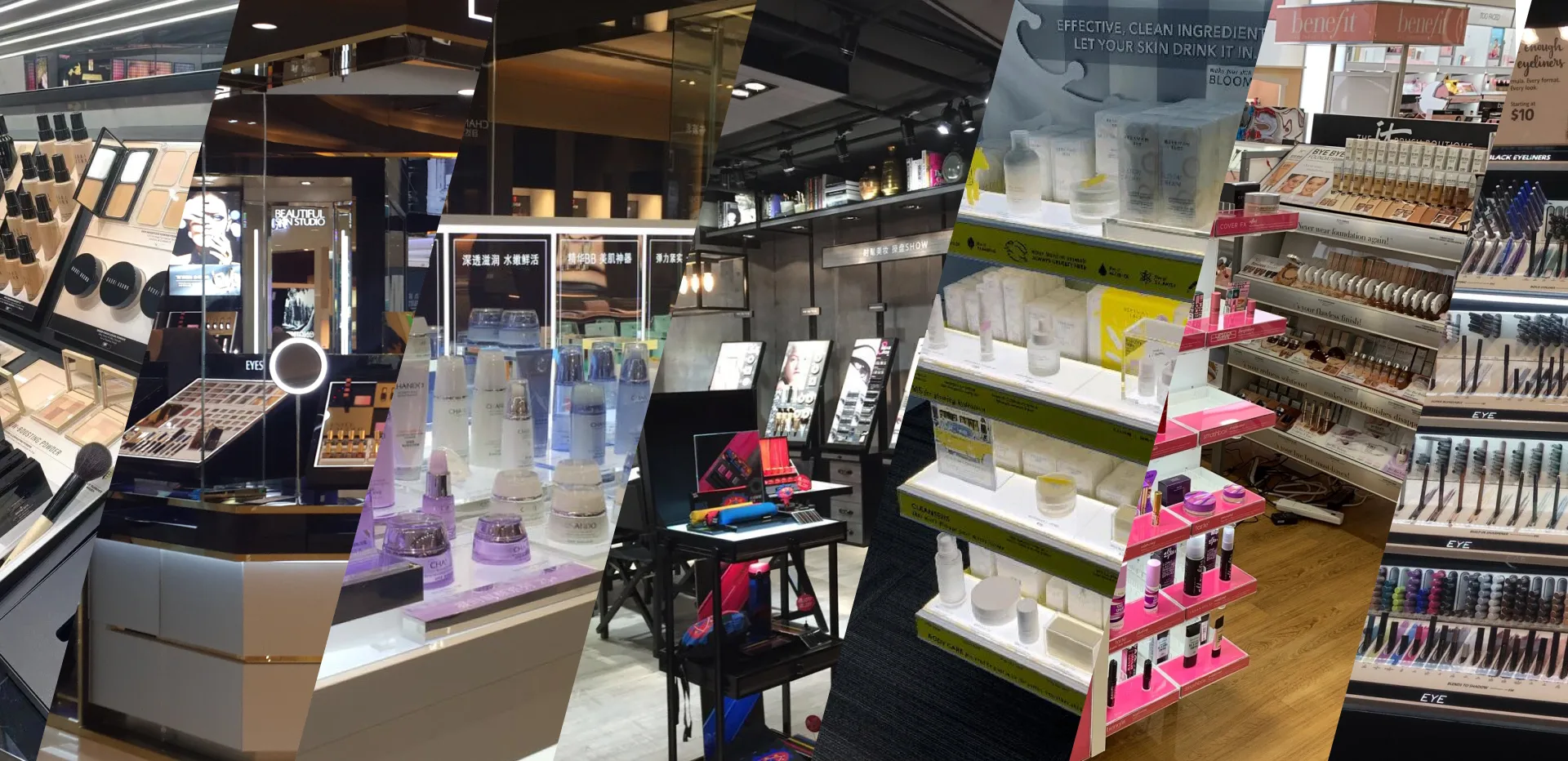
When choosing between acrylic and glass for retail displays, the differences become increasingly clear across several key factors that directly affect how a fixture performs in real-world use. It’s not just about visual clarity. The material you choose influences everything from installation time and branding flexibility to maintenance effort and customer safety.
Acrylic stands out in environments that demand resilience and adaptability. Its impact resistance means fewer interruptions due to breakage, while its light weight simplifies logistics for staff and contractors. In terms of creative control, acrylic supports precision cutting, color integration, and modular structures that would be either impossible or prohibitively expensive to achieve with glass. Even when it comes to upkeep, acrylic surfaces respond better to frequent cleaning and don’t require special care.
Ultimately, the strengths of acrylic add up to a solution that’s not only practical but also visually compelling—making it the smarter long-term material for display design in most commercial settings.
To understand the differences more clearly, here’s a direct comparison of key attributes:
| Feature | Acrylic Display Stands | Glass Display Stands |
|---|---|---|
| Durability | High impact resistance; doesn’t shatter | Fragile and prone to cracking |
| Weight | Lightweight, easy to move and transport | Heavy; difficult to install or reposition |
| Customization | Easily shaped, printed, and layered | Limited shaping and branding flexibility |
| Visual Clarity | Clear with optional finishes or tints | Excellent clarity, but may show green tint |
| Safety | Safer in crowded, high-traffic areas | Breakage risk with sharp glass shards |
| Maintenance | Easy to clean; resists staining and smudging | Requires special care and cleaning products |
| Cost | Lower production and shipping costs | Higher cost across production and handling |
But a table doesn’t tell the full story. Let’s break down why acrylic continues to be the smarter choice in real-world settings.
Durability in Busy Environments
Retail environments are active and unpredictable. Displays are touched, bumped, and occasionally dropped—sometimes by staff, sometimes by customers. Glass, though visually appealing, doesn’t handle this kind of abuse well. One crack can take an entire fixture out of service, and a shattered display poses safety risks for both people and products.
Acrylic doesn’t just survive impact; it shrugs it off. It holds its form even after minor collisions and resists the kind of chipping and cracking that plagues glass. This level of reliability allows brands to maintain a pristine appearance over time, even with daily contact. In high-traffic areas like beauty counters or electronics demo stations, this resilience adds up to lower long-term cost and higher peace of mind.
Acrylic also adapts to mobile or temporary setups—think product booths, in-store events, and trade exhibitions—where quick assembly and tear-down are essential. Unlike glass, it can handle repeated packing and unpacking without becoming a liability.
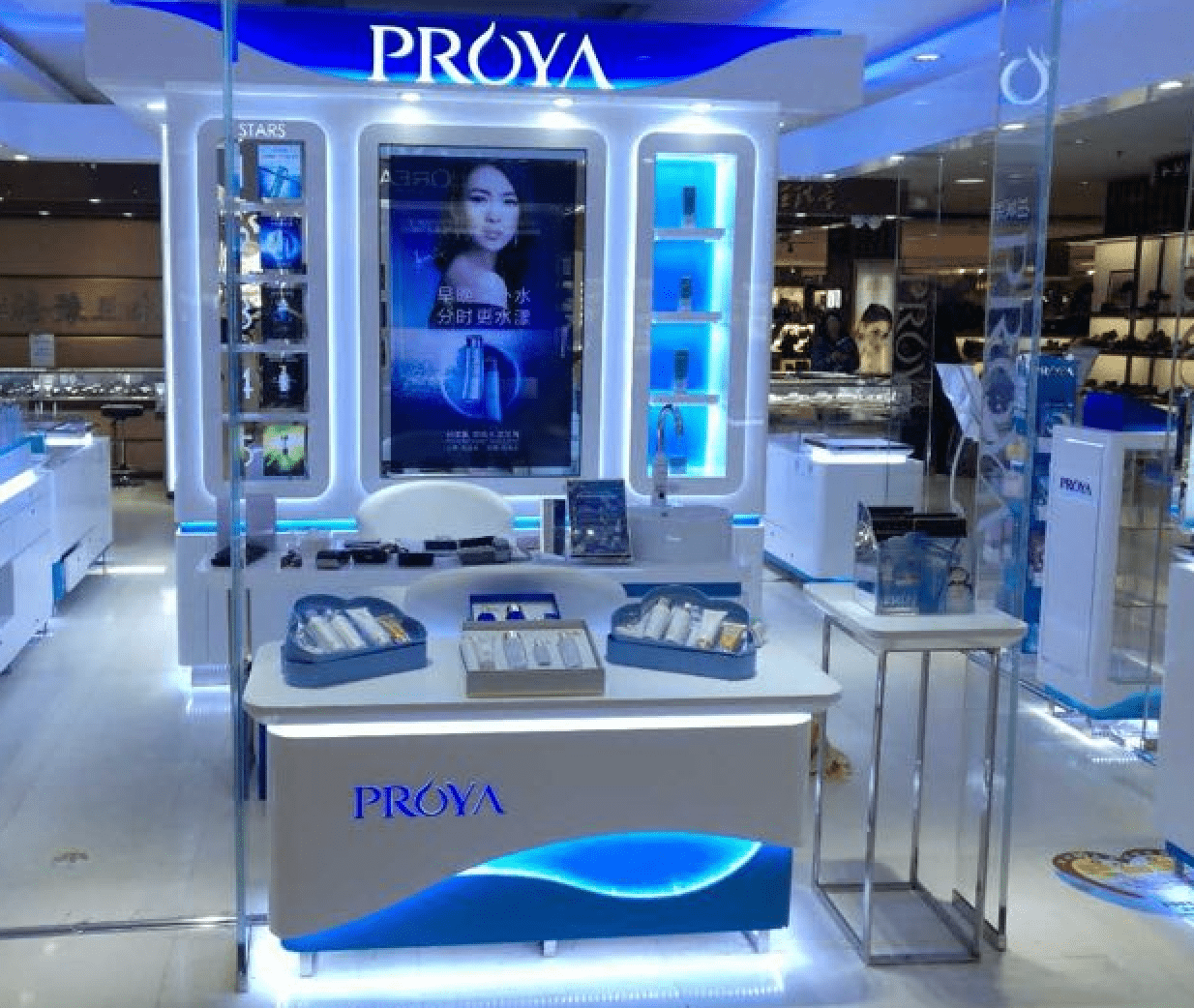
Lightweight and Easy to Handle
Behind every eye-catching retail layout is a team that has to move, clean, and reorganize the space—often under tight schedules. Heavy, delicate glass can slow that work down. It requires two people to move, special packaging for shipping, and significant care during setup.
Acrylic cuts through all that. It’s light enough for one person to handle, yet sturdy enough to support complex structures. Staff can easily reposition displays as needed, whether adjusting for daily restocks or refreshing the store’s look for a new promotion. For brands rolling out multi-store campaigns, shipping costs are lower and installation is faster—without sacrificing aesthetics.
This ease of handling doesn’t just help retailers. It also benefits brand teams who regularly participate in roadshows or events. Portability becomes an asset when the entire display needs to travel with the product.
Customization Flexibility that Glass Can’t Match
Retail displays aren’t just shelves—they’re storytelling tools. They help define a brand’s aesthetic, guide customer focus, and create visual flow throughout a store. Acrylic supports that level of creativity better than most materials.
You can laser-cut it, bend it into curves, embed lighting, layer panels, print directly onto the surface, or even mount accessories. This opens the door to display designs that aren’t just functional, but expressive. A cosmetics brand might use frosted pink acrylic with metallic text; an electronics brand might opt for a matte black stand with illuminated edges. Either way, the material won’t restrict the design.
Glass, on the other hand, offers little room to maneuver. It can be tempered or tinted, but shaping or branding requires added steps, added cost, and added fragility. If you’re after precision cuts, compact footprints, or visually integrated accessories, glass simply doesn’t measure up.
Acrylic can also be scaled efficiently. Brands with seasonal product lines or rapid launch schedules can reuse core designs with minor changes. The low cost of prototyping and high speed of production allow for agility—something glass cannot deliver at scale.
Clear Visual Appeal Without the Risks
Both acrylic and glass provide excellent transparency. That’s why they’re often compared. But the clarity of acrylic has evolved in recent years to rival—even surpass—what most commercial glass can offer.
High-grade acrylic remains optically clear over time and can be finished with polished edges or frosted textures. Unlike cheaper plastics, it doesn’t distort the view of the product inside. More importantly, it doesn’t pose the same risks. There’s no need for reinforcement or corner protection. Even if the surface gets scratched, it can be polished back into shape. With glass, any visible damage typically means full replacement.
Retailers can experiment with layering effects or internal lighting without worrying about how the material will respond. Acrylic absorbs light in a flattering way and doesn’t carry the slight green cast often visible in thick glass. For luxury-focused sectors like jewelry or skincare, where color fidelity matters, this makes a difference.
And when it comes to safety, especially in family-friendly environments or pop-up events, acrylic’s shatter-proof nature becomes a major plus. A dropped panel won’t splinter, crack, or threaten nearby customers.
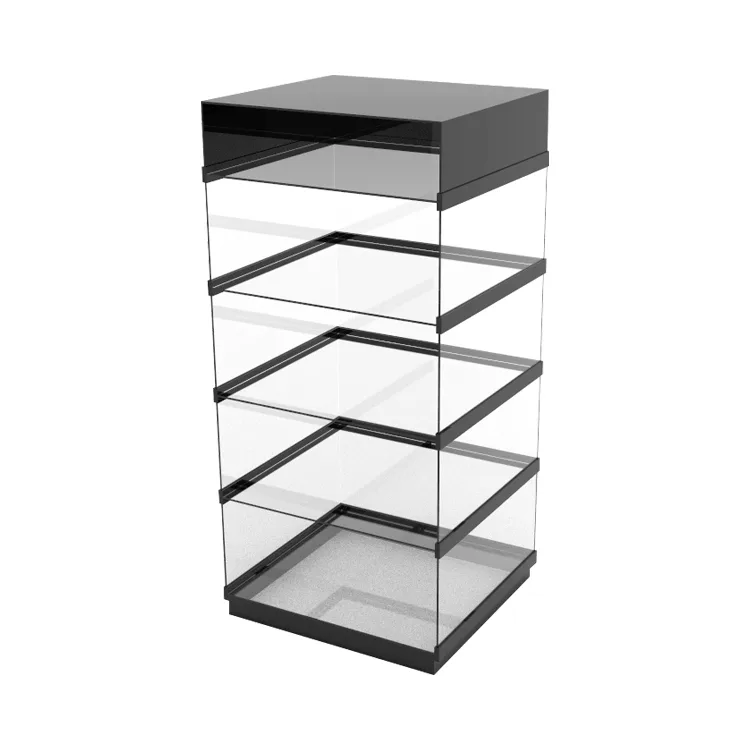
Long-Term Savings Through Lower Cost and Easier Maintenance
Costs add up fast when you’re outfitting dozens or even hundreds of stores. Every extra kilogram in shipping, every special cleaning agent, every broken corner—those expenses don’t stay small for long. Glass brings prestige, yes, but it also brings fragile logistics.
Acrylic is budget-friendly not only at the point of purchase but across the entire product lifecycle. It’s lighter to ship, faster to assemble, and safer to handle. When something needs to be replaced, the process is simple and affordable. There’s no need to order a custom glass pane or wait weeks for fulfillment.
Maintenance is just as straightforward. Acrylic resists smudging and responds well to basic microfiber cloths and mild detergents. It doesn’t demand special treatments or worry over water spots. In busy retail stores where displays are wiped down frequently, that kind of resilience translates to time saved and a consistently clean presentation.
In short, acrylic lets retailers focus on their products—not the fragility of the stand holding them.
Conclusion
Glass may still hold a place in static installations or showrooms where risk is minimal and design doesn’t need to change. But in the dynamic world of retail, where presentation must meet practicality, acrylic is the better choice. It combines strength with style, flexibility with cost efficiency, and aesthetic value with real-world usability. For brands looking to scale, adapt, and stand out—without being slowed down—acrylic display stands offer a smarter foundation. At APEX, we specialize in crafting custom acrylic displays that match each brand’s vision while delivering long-term performance on the sales floor.
For custom acrylic display solutions tailored to your brand, contact us at apex@aapex.cn or visit www.apexstoresolutions.com.