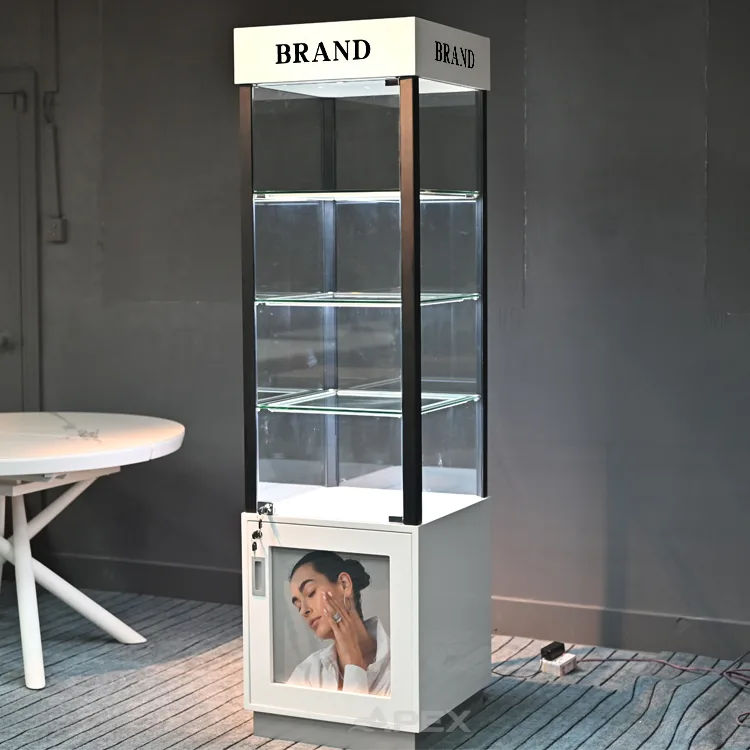
In 2025, the supermarket display stand is no longer a static fixture in the corner of a retail space. It’s a dynamic element in shaping store layout, guiding shopper behavior, and amplifying product exposure. As global retail environments grow more complex, the expectations for what a display stand can—and should—do have evolved. This shift is especially visible in supermarket settings, where adaptability, visibility, and material efficiency are now key.
1. Mixed Material Structures Are Now Standard, Not Special
Not long ago, choosing between acrylic, metal, cardboard, or wood for a display meant making trade-offs between aesthetics and durability. In 2025, that separation barely exists. Supermarket display stands now often combine multiple materials—metal for structure, acrylic for visibility, PVC for color, and even cardboard for flexibility in promotional settings.

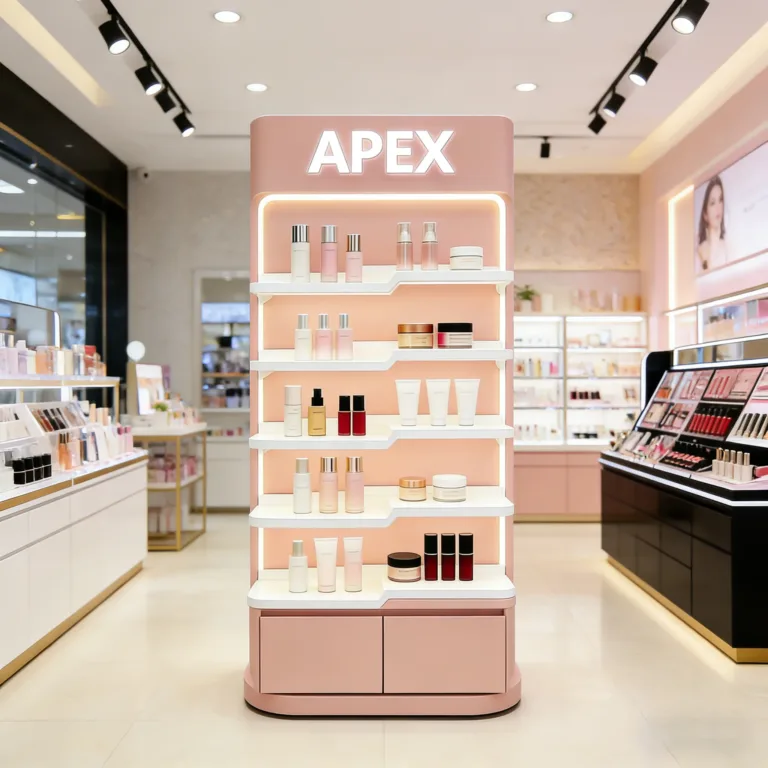
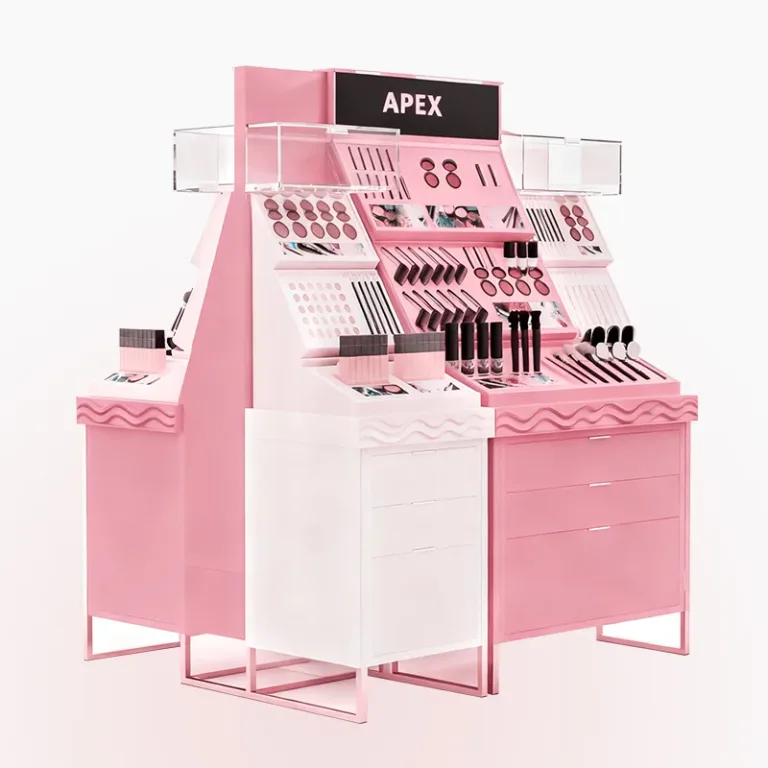
Picture a cosmetics endcap that uses transparent acrylic for clean visual flow, but is anchored on a matte black steel frame. Or a drink display with printed PVC back panels over a light welded metal shelf system. These combinations serve more than a design preference—they directly affect how long a stand lasts, how it’s transported, and how adaptable it is for future campaigns.
For retailers serving diverse product categories—from fresh food to electronics—the ability to tailor a stand’s material not only helps maintain a cohesive look across departments, but also allows different functional requirements to be met. Wet areas, high-traffic lanes, promotional hotspots—they all demand something slightly different, and a mixed-material approach meets those needs without creating fragmentation.
2. The Shift Toward Foldability, Modularity, and Setup Efficiency
This trend isn’t just about structure—it’s about logistics. For overseas buyers, the way a stand ships and installs matters as much as how it looks. Foldable designs with detachable components are no longer considered temporary solutions. They’re standard practice in large-scale rollouts.
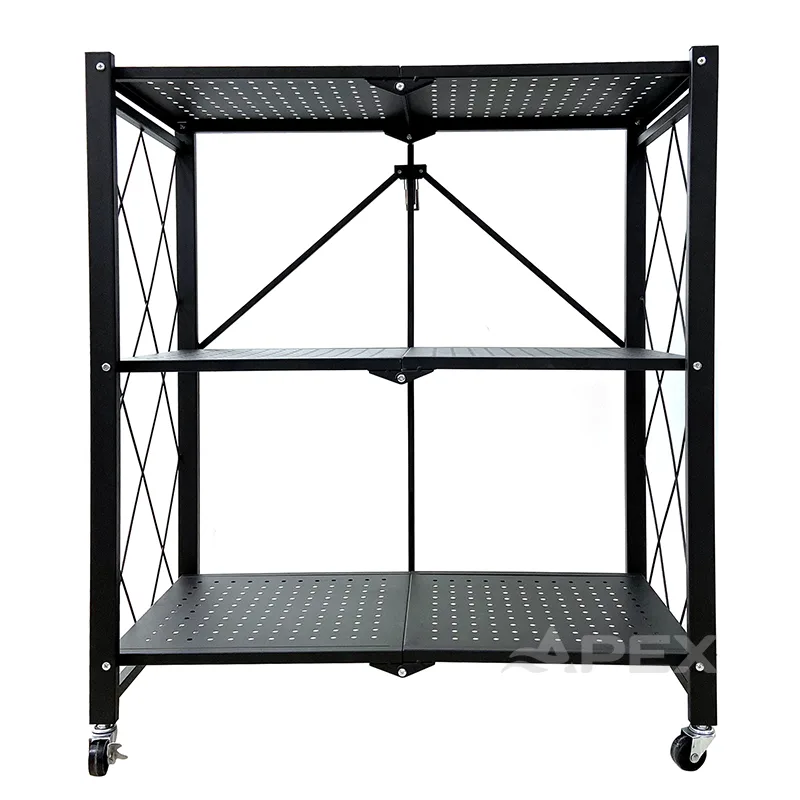
Some supermarket chains now require all fixtures to fit flat-packed on a pallet. Others demand displays that one or two staff members can assemble in under five minutes, with no power tools. A rotating hook display, for example, must arrive as a collapsed core, four detachable panels, and a wheelbase—anything more, and it’s a problem.
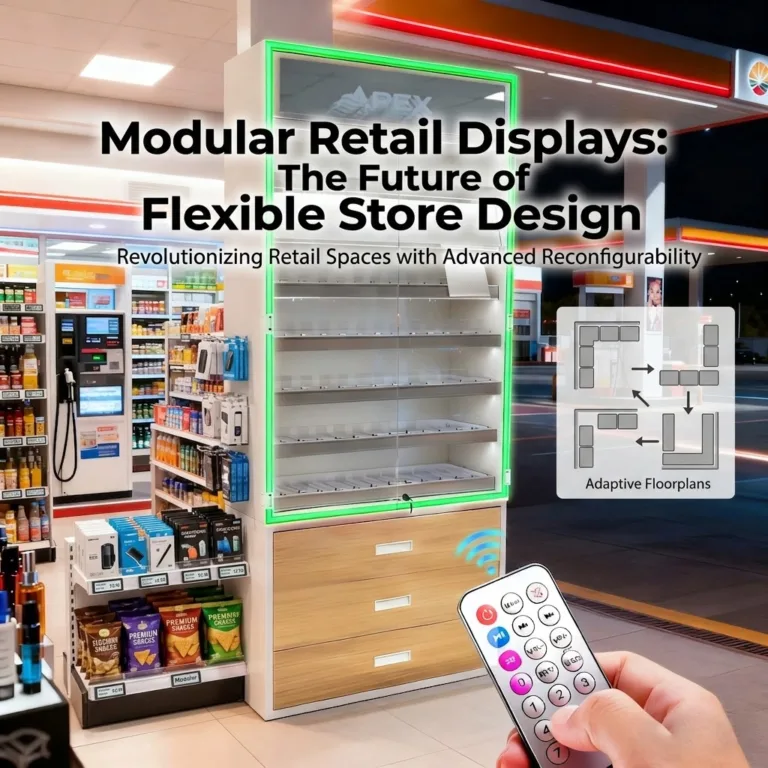
Even high-end configurations aren’t immune. Multi-tiered acrylic shelves now arrive disassembled but pre-aligned with positioning grooves. Floor-standing stands with hidden wheels fold inward and ship in half-height cartons. It’s not just about saving space; it’s about reducing breakage, speeding up in-store changes, and making inventory predictable. A beautifully designed stand is of little use if it takes a day to build and six people to carry.
3. Compact Footprint Fixtures Dominate Urban Store Layouts
Urban retail is squeezing everything. Shelf depth, aisle width, checkout zones—everything is tighter. And yet, the visual pressure to maintain attractive merchandising hasn’t gone away. This creates a challenge: display stands must work harder within smaller footprints.
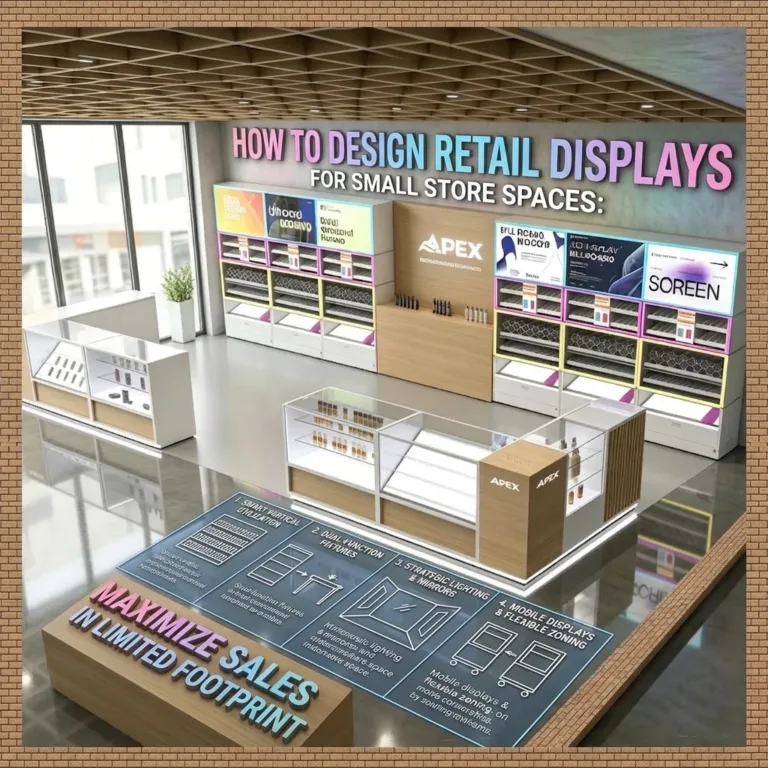
A four-layer wall-mounted biscuit rack may serve the same function as a full gondola but occupies a fraction of the floor area. In a store where the average aisle width is under 1.5 meters, vertical mounting or slimline freestanding displays make the difference between a sale and a bottleneck.
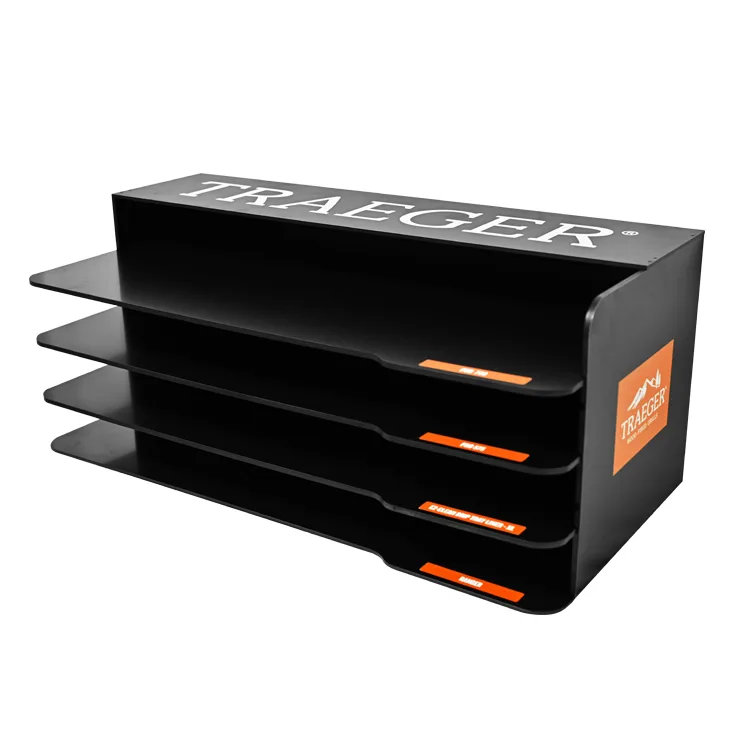
What’s interesting is how these compact designs don’t always look compact. Smart use of color blocking, transparent materials, or tiered platforms gives them visual weight. A countertop wine display can draw as much attention as a floor-standing cooler if it’s placed near the flow of movement. The key is not size, but positioning and presentation.
There’s also a subtle behavioral element here. Customers in smaller stores expect less visual clutter. When space is limited, a stand that feels “open” or “lightweight” is more inviting than something bulky, even if it holds fewer items.
4. Endcap Displays Are Becoming Campaign-Driven Machines
Endcap stands are no longer permanent fixtures. They’re mobile, interchangeable, and—most importantly—narrative-ready. Every two weeks, a different product category might claim that space: this week it’s snacks, next week a wellness line. The stand has to adapt to this rhythm without losing structural integrity or brand alignment.
Some supermarket operators now request endcap frames with clip-on graphics and magnetic branding plates. This allows them to change the campaign without replacing the rack. Others choose designs with built-in shelving height adjustability, which makes it possible to display anything from boxed cereal to bottled shampoo in the same frame.
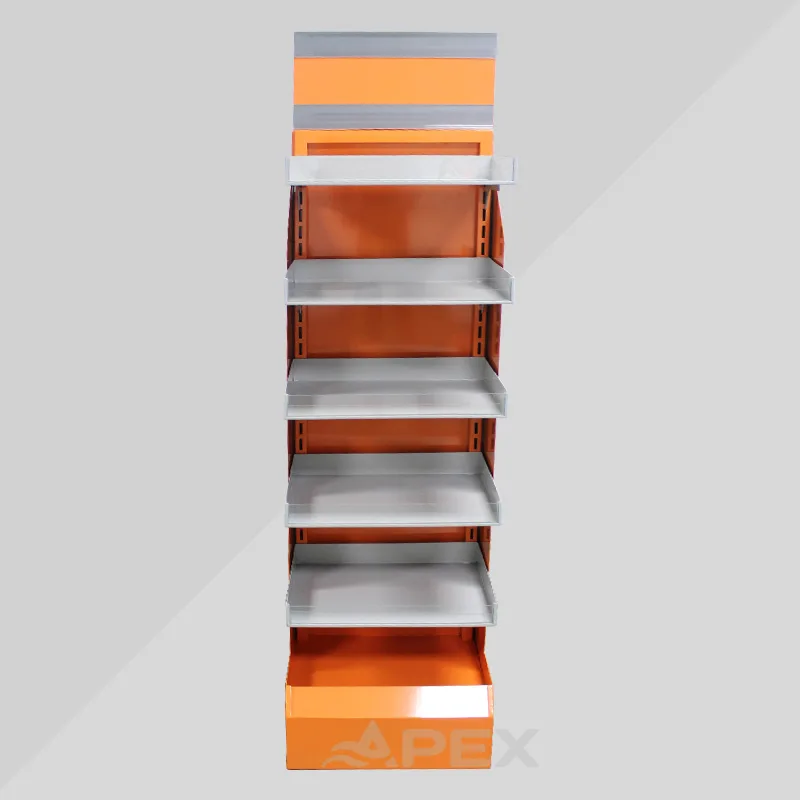
The real evolution here is that endcaps are no longer passive. Many now include small promotional zones: a QR code slot, a top panel for a campaign message, or a side hook for samples. In busier stores, an endcap display isn’t just about product—it’s about the story wrapped around it.
And then there’s mobility. A wheeled endcap rack can be placed at the aisle head today and moved to the entrance tomorrow. If it doesn’t serve multiple locations in-store, it’s underperforming.
5. Purpose-Built Fixtures for High-Specificity Categories
Not every product fits on a standard shelf—and in 2025, retailers are finally done pretending that they do. The rise of niche fixtures is a response to three forces: safety, visibility, and product integrity. Lipsticks need upright trays, not sloped metal racks. Vape products require locked cases or elevated visibility zones. Motor oil needs wide-set platforms with grip and stability.
Supermarkets are no longer only about groceries. Sections for beauty, personal electronics, even small tools and automotive items are becoming mainstream. That means the displays have to shift too.
There’s also compliance to consider. Liquor stands may need child-proof elevation or signage. Electronics must be shown with cable guides and clear price tabs. Fixtures aren’t just holders—they’re part of the product’s legal and commercial framing.
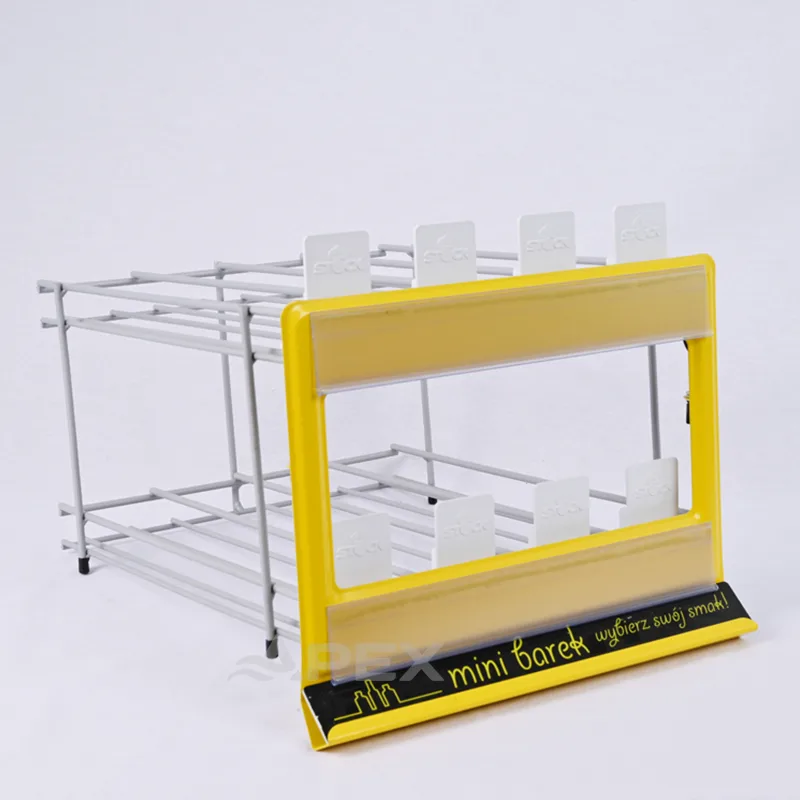
These needs push display stand manufacturers to think beyond “modular universal” designs. Instead, they’re building with vertical integration in mind: category-first stands that aren’t adaptable, because they don’t need to be. They’re perfect for their single purpose.
6. Transparent and Minimalist Styles Continue to Expand
Minimalism in display design has gone from trend to default in many retail environments. That doesn’t mean fewer products—it means fewer distractions. Transparent acrylic racks, brushed metal frames with open sides, and thin-line profiles help products take the spotlight.
In beauty or electronics sections, clean framing emphasizes packaging. Customers scan faster, identify more quickly, and feel less overwhelmed. These racks aren’t invisible, but they act like it. The structure disappears into the background.
Even in lower-cost setups, clarity wins. A transparent shelf doesn’t hide dirt. A minimal black frame matches any floor or wall tone. From a maintenance perspective, minimalist racks are easier to clean, move, and refresh.
This trend also reflects a psychological shift. Shoppers associate space with quality. A display that gives products “room to breathe” suggests value, even when the item is under $10. That’s powerful—and it’s exactly what thin, clear structures deliver.
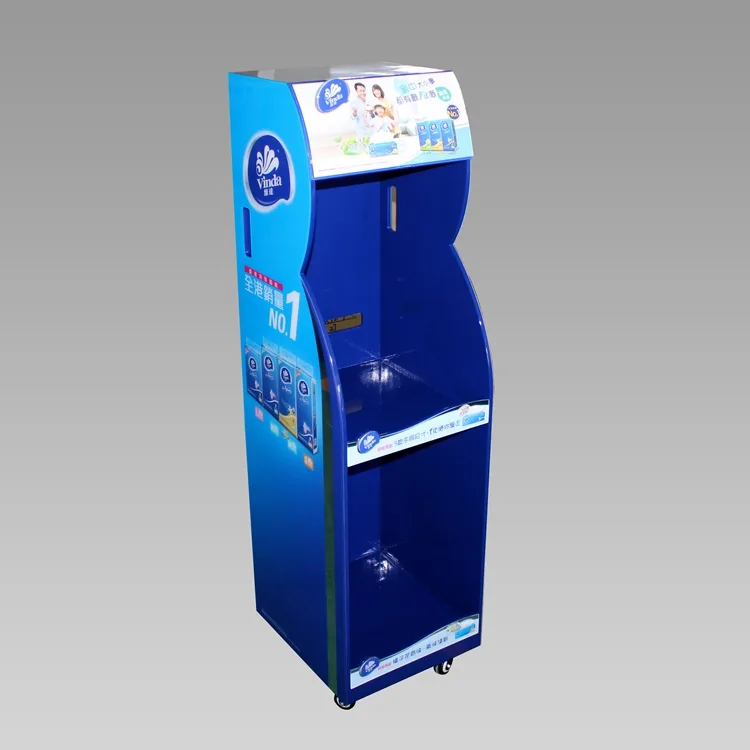
7. Customization Is No Longer a Selling Point—It’s the Starting Point
Retailers today assume that stands will be custom. They don’t ask “can it be modified?”—they ask “what’s the MOQ for my version?” From color to dimensions, logo placement to shelf count, everything is expected to flex.
But customization now goes beyond cosmetic changes. A supermarket buyer might ask for a universal stand frame, but three insert variants: one for snacks, one for boxed electronics, and one with deep trays for produce. The stand doesn’t change shape—but its purpose changes weekly.
This also applies to display layout rules. Some stores want bilingual signage holders embedded into the rack. Others need powder coatings that match exact brand Pantones. Retailers operating in multiple regions need racks that comply with various safety codes or floorplan restrictions.
Customization today is often a layered system: a standardized base structure, plus modular branding or functionality layers. This speeds up manufacturing but still allows tailored presentation. In fast-moving retail cycles, that balance—between agility and identity—is exactly what buyers are looking for.
Final Thoughts
In 2025, the supermarket display stand is part logistics tool, part visual storyteller, and part space strategist. The most successful designs are those that don’t lock themselves into a single definition. They flex, fold, stand tall, mount low, and adapt to both category and culture.
Retailers are asking more from their fixtures because shoppers are expecting more from the shopping experience. As the market continues to globalize and diversify, display stands are becoming quieter but smarter players in shaping what, where, and how people buy. For custom supermarket display solutions, feel free to contact us at apex@aapex.cn.