With 82% of purchase decisions occurring in-store and 62% being impulse buys, your retail environment is your most powerful sales tool. Yet, poor product placement on display racks often hides your best-selling items, resulting in lost revenue.
By mastering strategic zoning and optimizing your visual merchandising setups, you can turn any floor space into a high-conversion zone. Let’s explore how professional rack layouts boost product visibility and drive measurable sales growth.
The Strategic Value of Effective Merchandising
While many retailers view shelving as a simple necessity for storage, effective merchandising serves a much more critical purpose: it acts as the final and most influential bridge between a customer and a purchase. How you present your products fundamentally shapes brand perception and drives profitability through several key advantages:
Direct Influence on Consumer Decision-Making:
Merchandising is the art of guiding a customer’s eye. By strategically organizing products on custom display racks, you direct the shopper’s focus toward high-margin items or curated collections, significantly shortening the time it takes for them to move from curiosity to an active buying decision.

Elevated Brand Positioning:
Consistent and thoughtful product presentation signals quality and value to the shopper. A cluttered or random arrangement suggests a lack of care, while a deliberate, cohesive display communicates premium standards, helping your products stand out from the noise of a crowded market.
Enhanced Shopper Engagement:
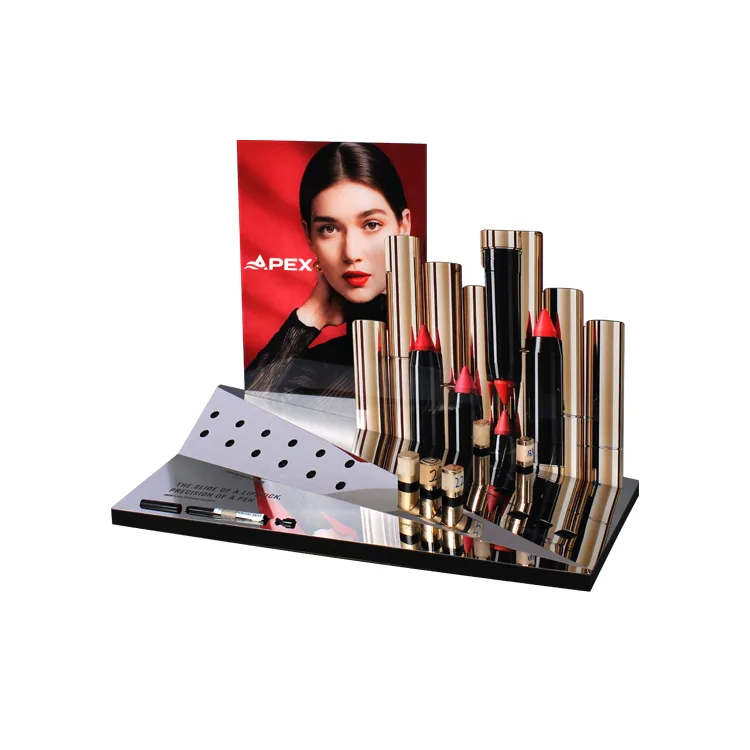
Effective displays invite participation. When items are showcased in a way that feels curated—rather than just “stocked”—it creates an immersive experience. This encourages shoppers to touch, compare, and connect with the merchandise, which is a vital step in reducing purchase hesitancy, especially for cosmetic display or high-end electronics.
Optimized Revenue per Square Foot:
Every inch of your retail floor is a valuable asset. Skillful merchandising ensures that space is not just occupied, but productive. By utilizing specialized hardware that maximizes visibility and accessibility, you ensure that your floor space is actively working to generate the highest possible return.
By shifting the focus from simple stock management to intentional, strategic merchandising, retailers transform their physical space into a compelling sales narrative that actively converts browsing into buying.
The Science: How Shoppers See & Decide
Retail success often hinges on the “buy-level” concept. Research consistently shows that items placed at eye level—typically between 54 and 72 inches—enjoy a 17% to 50% higher purchase rate than those relegated to lower zones. Shoppers generally scan a display in a predictable pattern: starting from the top, moving down, then left to right, often making a final purchase decision in a brief 4 to 7-second window.
Understanding how to divide a retail display rack into specific zones is crucial for maximizing this short interaction:
Eye-Level (Prime Zone):
This is the high-conversion area reserved for bestsellers, high-margin goods, and hero SKUs. Items here benefit from the most immediate visual contact.
Top Zone:
Ideal for premium or statement pieces that need to stand out. While slightly harder to reach, this space effectively communicates brand status.
Lower Zones:
Better suited for bulk items, value-priced goods, or products specifically for children, as these areas require more effort for adults to scan and access.
Other Strategies:
Color and contrast also play subtle roles in these zones. Strategic use of bold colors can signal urgency, while metallic or black finishes often convey a sense of premium quality. By aligning product placement with these natural scanning patterns, retail environments can guide shoppers effortlessly toward the items meant to drive revenue.
Six Placement Strategies for Display Racks
To maximize the impact of your merchandising, how you organize items on the rack is just as important as where the rack sits. Use these six strategies to refine your floor execution and guide the customer journey:
Eye-Level Blocking:
Reserve the middle tiers of your rack for your top-performing SKUs. By grouping your “hero” products at this prime visual height and repeating their facings, you create a powerful brand block that captures attention immediately upon approach.
Complementary Grouping:
Drive higher transaction values by placing related items in close proximity. For instance, pairing a skincare set with its core treatment or a smartphone with its essential accessories creates a cohesive “solution” that encourages cross-selling without extra effort.
Vertical Merchandising:
Avoid horizontal clutter by stacking the same brand or category vertically. This technique forces the shopper’s eye to scan the entire product line from top to bottom, increasing exposure to your full range rather than just the single item at the front.
High-Traffic Positioning:
Place your most compelling racks in “intercept” zones—such as the right side of the entrance (the power wall), the end of high-traffic aisles, or directly at the checkout point. These placements are specifically designed to trigger impulse buys when shoppers are already in a purchasing mindset.
The Rule of Thirds:
For a visually balanced display that feels professional, place your key items at the 1/3 and 2/3 heights of the rack. This avoids “bottom-heavy” displays and ensures that the most important products are always positioned to grab the eye.
Demographic Adjustment:
Tailor the height of your merchandise to your target audience. For adults, ensure the premium selection sits between 54 and 72 inches. If your product line appeals to younger shoppers or parents, utilize custom display racks with lower tiers (36–48 inches) to ensure your key products remain accessible and visible to their eye level.
Industry-Specific Examples
Strategic placement is not a one-size-fits-all discipline. Different product categories require unique approaches to hardware and layout to resonate with their specific buyer demographics. Applying these industry-tailored tactics helps ensure your inventory works harder for your brand:
Beauty and Cosmetics:
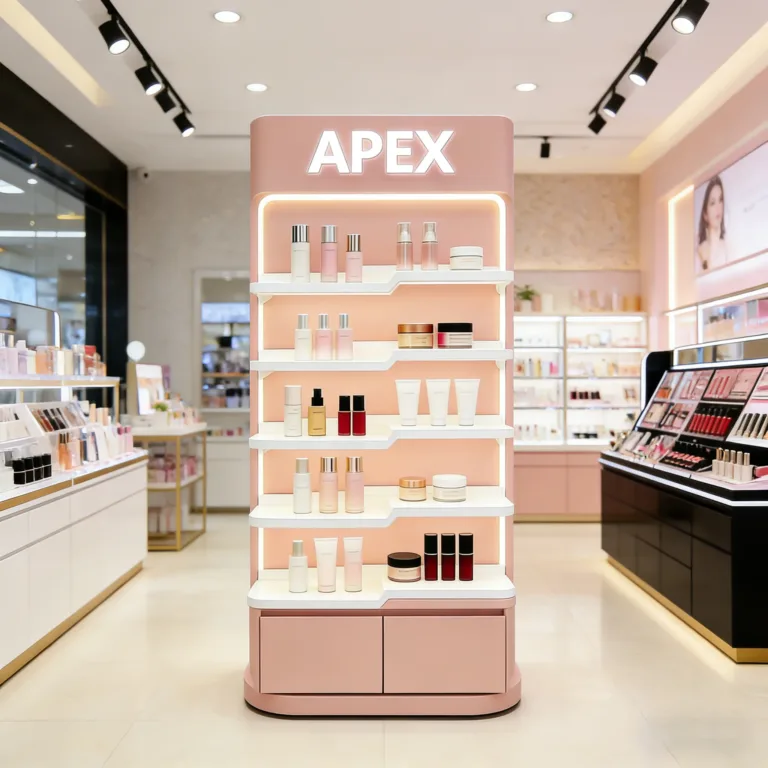
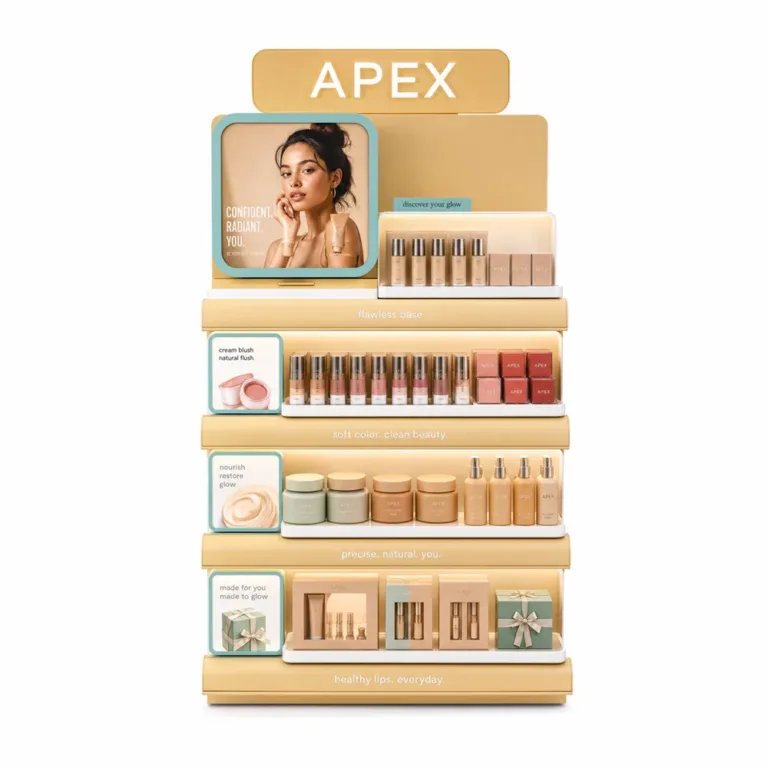
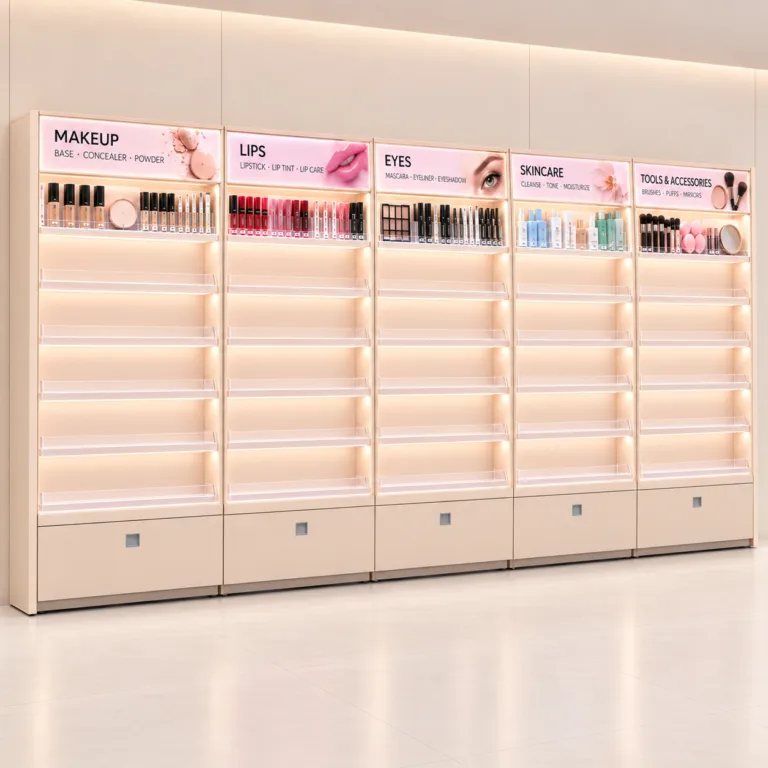
In this sector, tactile engagement is essential. Combining countertop displays with sleek, floor-standing units works well to draw interest. Position best-selling lipsticks or foundation ranges at eye level, and group skincare products in complete sets. This “solution-based” approach simplifies the selection process, often leading to a measurable increase in average transaction value.
Eyewear and Optical:
Success here depends on the quality of the visual presentation. Utilize adjustable rack systems that allow for precise frame spacing. By placing the most stylish or statement frames at the top of the display and ensuring the layout remains uncluttered, you can significantly improve the trial rate. Keeping frames at a height that allows shoppers to easily reach out and try them on is key to closing the sale.
Consumer Electronics:
Because these items are often expensive, the display must signal reliability and high performance. Modular racks with clean lines work best, placing flagship devices at the center of the display while keeping compatible accessories on the lower shelves. This keeps the look professional and organized, ensuring the shopper’s focus remains on the primary technology rather than a cluttered selection of cords or cases.
Luxury Accessories:
For premium items, less is often more. Adopting a minimalist approach—where each face of the rack showcases a single, carefully curated piece—communicates exclusivity. When items are elevated to eye level and given sufficient “breathing room,” it reinforces the prestige of the brand and justifies a higher price point.
By aligning the hardware configuration with the specific nature of the goods, retail teams create a more intuitive experience that naturally supports the shopper’s journey.
Conclusion
Strategic placement transforms display racks into powerful sales drivers. By optimizing your merchandising, you boost visibility and conversion. Contact our team today to refine your layout and maximize your store’s retail performance.