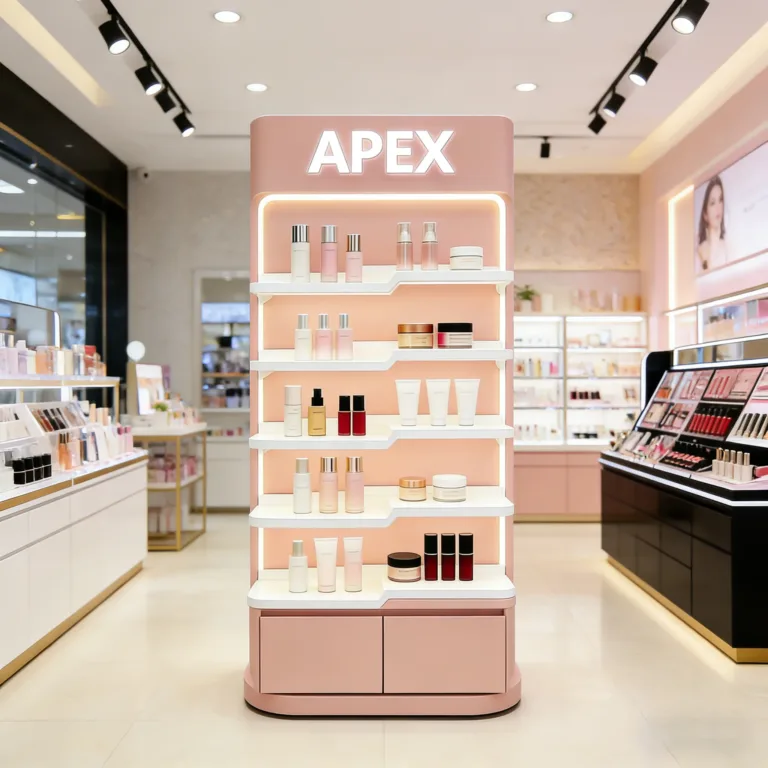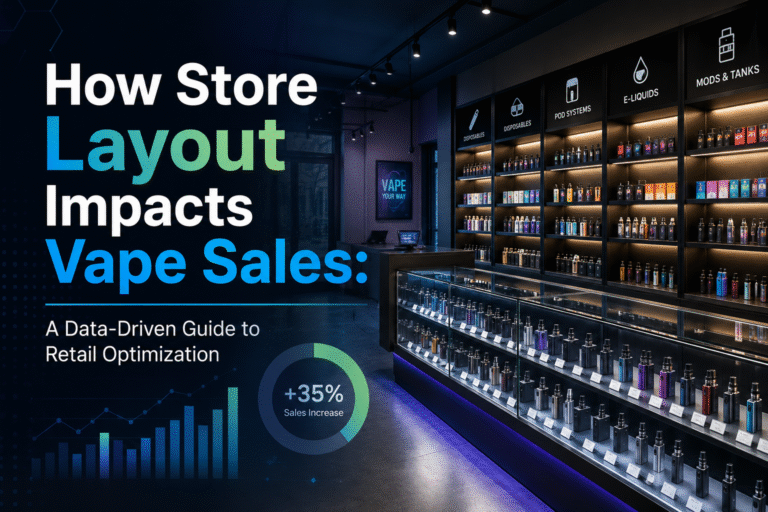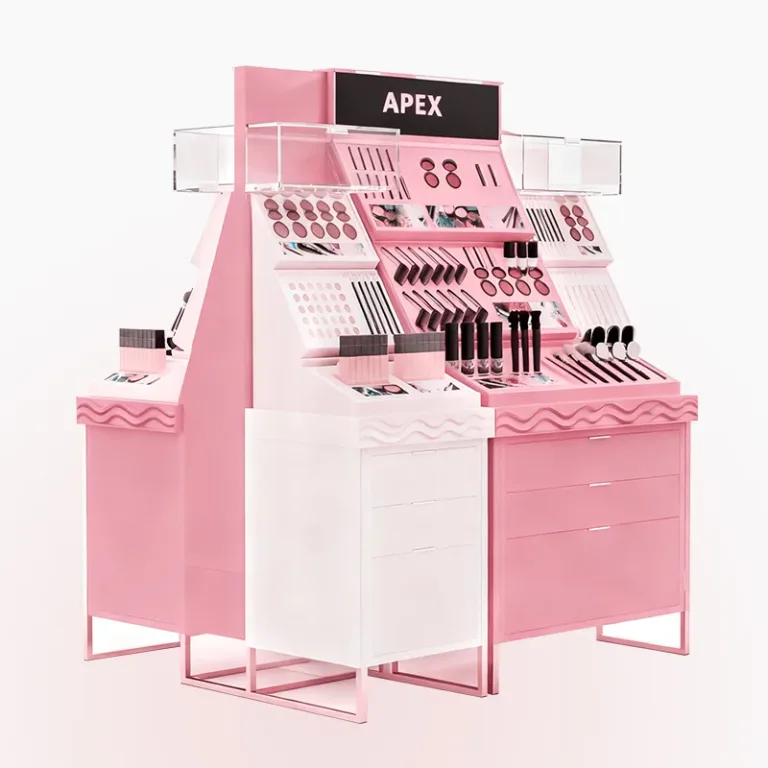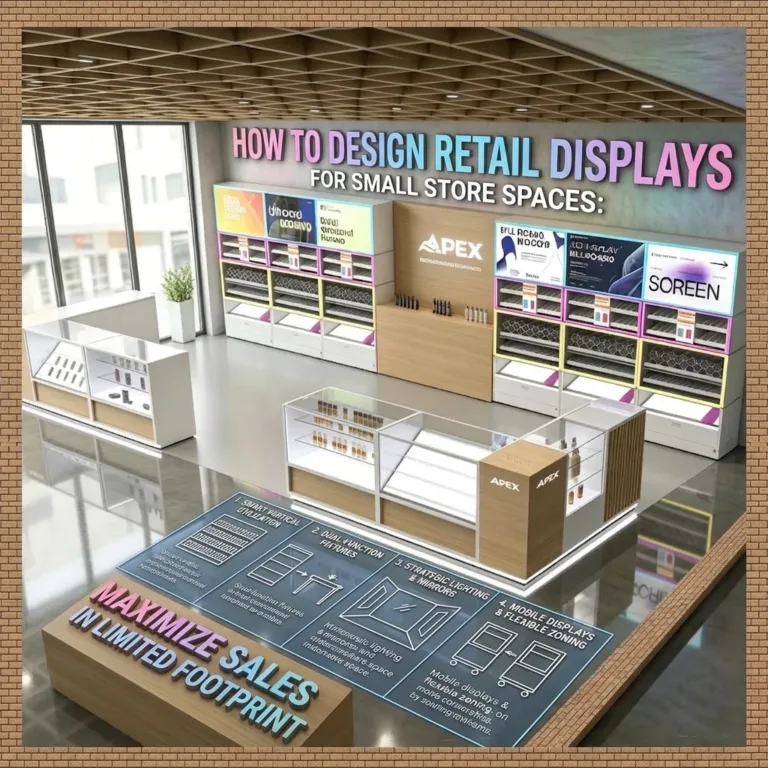
As a retail leader, you face a constant challenge: balancing premium brand aesthetics with tightening ESG compliance requirements. Shifting away from disposable props isn’t just about ethics; it’s a strategic move to improve long-term operational sustainability.
If you want to integrate sustainable display fixtures that minimize waste while maintaining high-end visual standards, let’s explore how advanced materials like recycled acrylic can enhance your store’s performance and significantly reduce your annual procurement costs.
Why Retail Brands Must Adopt Sustainable Display Fixtures
The shift toward sustainable retail is no longer merely a PR-driven initiative; it is a fundamental evolution of how brands manage their physical presence. For retailers navigating competitive landscapes, particularly in the beauty and electronics sectors, the decision to invest in eco-conscious fixtures is driven by three primary commercial realities.
Market and Consumer Demand
Modern shoppers evaluate brands by their environmental impact. Using sustainable display fixtures aligns your physical store with consumer values, enhancing brand trust and perception while reinforcing a premium, responsible image that resonates with eco-conscious audiences.
Global ESG and Environmental Compliance
International regulations and corporate ESG mandates make sustainable supply chains essential. Non-recyclable, single-use materials create compliance risks during audits. Adopting green standards ensures you remain agile, meeting regional waste-reduction policies while proving commitment to international accountability.
Long-Term Operational Sustainability
Transitioning from disposable displays to durable green retail solutions eliminates the costly “purchase-and-discard” cycle. Investing in high-quality, long-lasting hardware stabilizes your operational budget, transforming store fixtures into reliable assets rather than recurring, waste-heavy expenses.
Top Eco-Friendly Materials for Permanent Sustainable Display Fixtures
Choosing the right materials is the cornerstone of building long-term retail infrastructure. For high-end environments, the focus must shift toward high-performance materials that offer both environmental benefits and structural integrity.
Recycled Acrylic (rAcrylic)
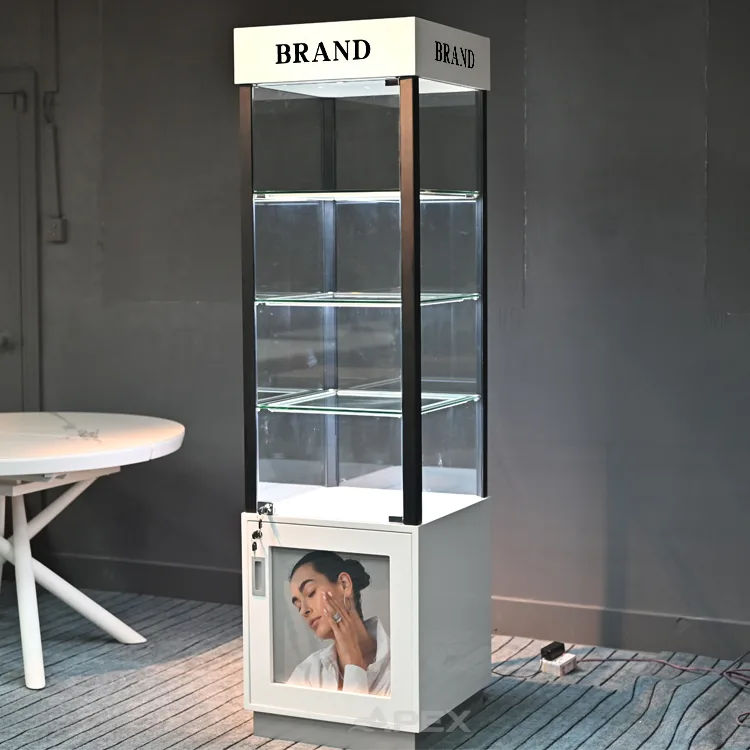
As a premium choice, recycled acrylic offers the high optical clarity and durability required for beauty and electronics displays. It is a fully circular material that resists wear, supports complex customization, and serves effectively for years, standing in stark contrast to disposable alternatives.
FSC-Certified Reclaimed Wood
This material brings an elevated, natural aesthetic to showrooms. It provides a tactile, high-quality feel for luxury accessories and organic skincare lines. Using certified reclaimed wood ensures that the display structure is responsibly sourced and free from harmful chemical finishes.
Recycled Aluminum and Steel
These metals are the backbone of modular, heavy-duty display systems. Their inherent strength and 100% recyclability make them ideal for permanent frames. They withstand high foot traffic in busy retail zones, ensuring that the foundational structure remains stable throughout multiple seasonal updates.
Bamboo
Prized for its rapid growth cycle and low carbon footprint, bamboo is an excellent choice for brands emphasizing a minimalist, natural identity. It offers surprisingly high tensile strength, providing a sustainable, durable option for lightweight shelving and decorative paneling in long-term setups.
Comparative Perspective: Permanent vs. Temporary Materials
Standard cardboard or cheap plastics often suffice for short-term promotional pop-ups, but they lack the structural integrity required for permanent retail assets. These materials degrade quickly, leading to frequent replacement cycles that undermine brand consistency.
In contrast, premium eco-materials like recycled acrylic and industrial-grade metals offer superior durability and aesthetic stability, delivering a lower total cost of ownership by eliminating the need for constant, wasteful hardware refreshes.
Five Core Design Principles for Long-Lasting Sustainable Display Fixtures
To maximize the lifespan of retail hardware, design must prioritize modularity and material integrity. Following these principles ensures that your display systems remain functional, adaptable, and ecologically responsible throughout their operational life.
Design for Permanent Reusability
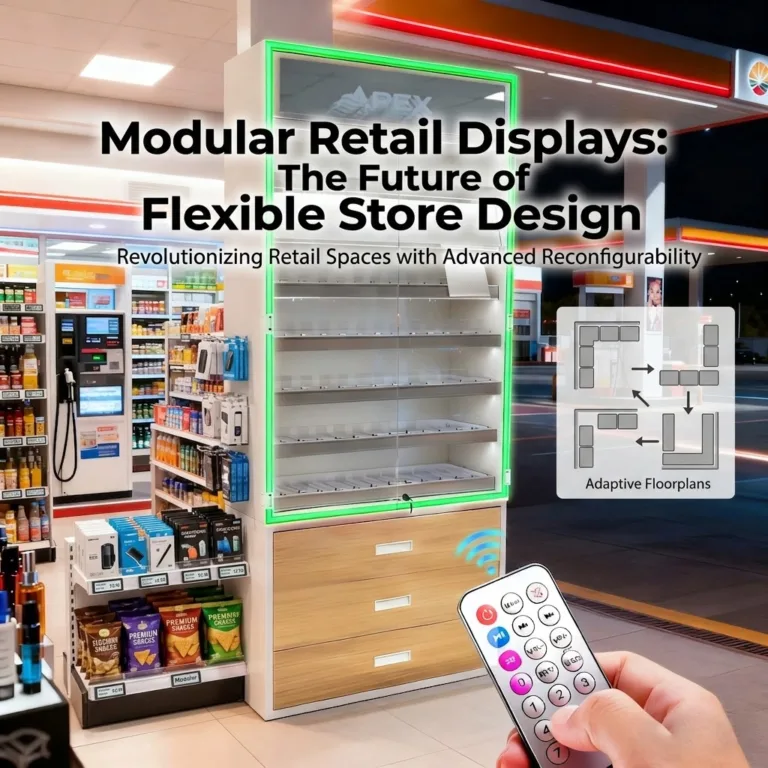
Utilize a modular “base-and-insert” architecture. The foundational structural frame—the largest and most resource-intensive component—should remain in place, while only branding headers or shelf inserts are updated. This approach ensures the core unit serves the brand for years.
Durable Eco-Material Selection
Prioritize materials based on longevity and performance. High-density recycled acrylics, industrial-grade recycled metals, and FSC-certified timbers provide the structural strength needed to withstand high-traffic retail environments, ensuring the fixtures do not degrade or lose their premium finish over time.
Repairable and Refurbishable Structure
Design components to be individually replaceable. If a shelf or bracket is damaged, it should be easily swapped without replacing the entire unit. This capability turns a potential total loss into a simple maintenance task, significantly extending the system’s overall service life.
Low-Waste Production Design
Engineering for sustainability starts at the factory floor. By utilizing standardized manufacturing processes and precision cutting, material scrap is minimized during fabrication. This reduces the carbon footprint of production and ensures the final product is built with maximum resource efficiency.
End-of-Life Recyclability
Every fixture should be designed with its eventual retirement in mind. By avoiding complex adhesive bonds and using standardized, separable components, the display can be disassembled at the end of its life, allowing for 100% material recovery and supporting a true circular economy.
How Retail Brands Can Adopt Sustainable Display Solutions
Transitioning to a sustainable display strategy requires a deliberate, phased approach. Instead of a complete, sudden overhaul, brands can integrate these practices through a structured roadmap that ensures both operational continuity and environmental compliance.
Conduct a Portfolio Audit
Begin by auditing your current inventory. Identify which units are prone to high turnover and where waste is most concentrated. Quantifying the volume of disposable materials currently used provides a baseline for measuring the return on investment of a more permanent, modular system from your solutions.
Standardize Hardware Architecture
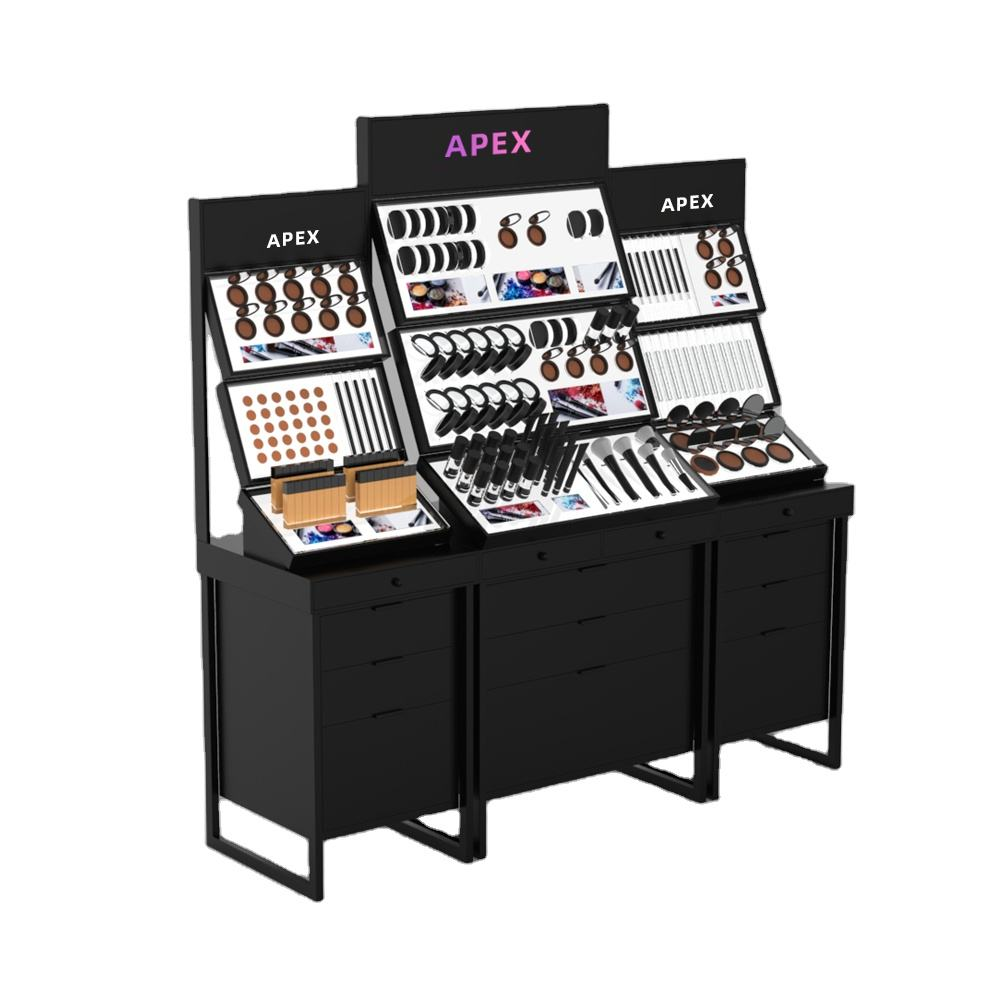
Transition from campaign-specific builds to a unified, modular framework. By investing in our custom display racks, which utilize a high-quality base architecture capable of accommodating various seasonal campaign inserts, you effectively reduce the volume of new materials required for every store refresh.

Align Procurement with ESG Standards
Integrate sustainability criteria into your supplier requirements. Work with manufacturing partners who demonstrate transparent sourcing—such as our use of recycled acrylic and precision engineering—to reduce production waste and ensure your fixtures meet the highest environmental standards.
Implement a “Refurbish-First” Workflow
Shift the operational focus from disposal to maintenance. Establishing a process for cleaning and updating existing hardware prevents premature discarding. Our modular systems are designed for easy component replacement, allowing you to refurbish cosmetic display stands at the warehouse level rather than replacing them entirely.
Pilot, Evaluate, and Scale
Test new modular designs in a controlled number of flagship stores before a broader rollout. Gather feedback from visual merchandising teams on the ease of assembly and hardware durability. Once validated, apply these design standards to the entire fleet to ensure consistency across all retail points.
This systematic approach minimizes disruption while steadily improving your brand’s environmental footprint. By treating display infrastructure as a durable asset, you ensure that every investment serves both your visual merchandising goals and your long-term sustainability commitments.
Conclusion
Whether through the use of recycled acrylic or modular structural designs, moving toward an eco-conscious model enhances both brand credibility and operational efficiency. At Apex, we specialize in bridging the gap between high-end aesthetics and environmental responsibility. Ready to transform your store’s footprint into a durable, sustainable asset? Contact our team today to begin your transition to a greener, more cost-effective retail future.