Are you tired of pouring your seasonal marketing budget into temporary displays that end up in the landfill within weeks? For brands managing high-frequency product launches, the struggle to balance visual impact with operational efficiency is real.
If you’re looking to slash your retail reset time while maintaining consistent brand equity, you need a smarter approach. In this guide, we’ll explore how to design flexible display fixtures that don’t just hold your products, but adapt to every season—helping you cut long-term costs without sacrificing the premium look your customers expect.
Why Flexible Display Fixtures Are Non-Negotiable for Seasonal Retail
In today’s fast-paced retail market, the traditional “set-it-and-forget-it” display model is failing. For brands in cosmetics and electronics, the ability to pivot merchandising strategies is now a competitive necessity.
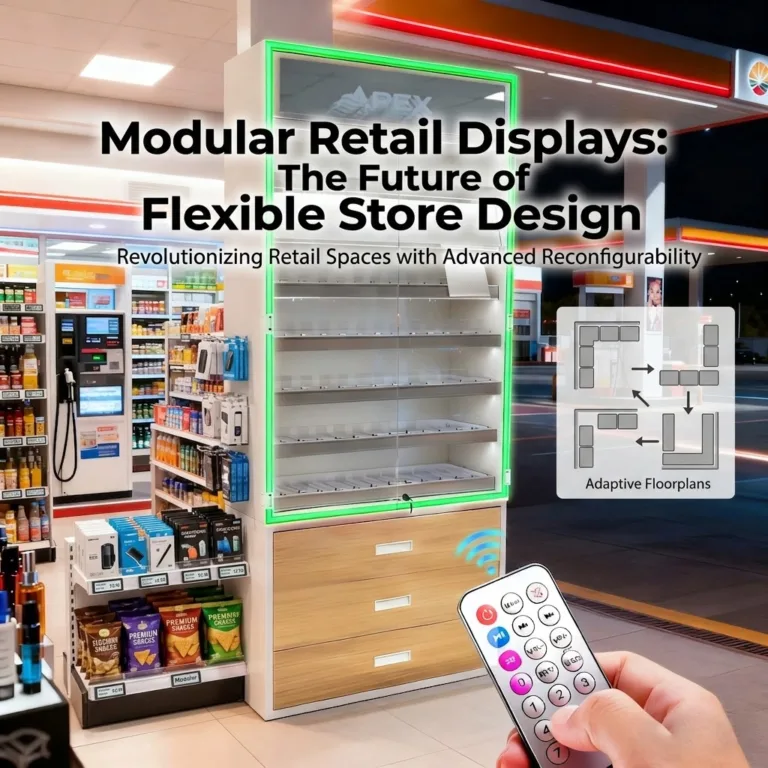
Transitioning to modular display systems shifts fixtures from disposable overhead to long-term assets. By using standardized, interchangeable components, you ensure store teams can execute a full brand refresh in minutes, keeping your presentation consistently premium while significantly reducing operational costs.
Five Core Design Principles for Flexible Seasonal Displays
Effective seasonal displays require a move away from rigid construction toward adaptable engineering. When developing your retail strategy, focus on these five principles to maximize the lifespan of your fixtures.
Modular Architecture
Build a core structure that remains constant while allowing for interchangeable components. Whether it is an acrylic stand or a heavy-duty rack, the base should support various accessories like shelves, hooks, or branding panels, ensuring the unit evolves with your product lineup.
Tool-Free Adjustability
Prioritize designs that allow staff to reconfigure layouts in minutes. Systems utilizing snap-in shelving or magnetic sign holders eliminate the need for specialized tools, significantly reducing the labor involved in complex seasonal resets.
Material Versatility
Balance durability with aesthetic appeal. High-grade materials like acrylic provide a premium look that complements beauty and tech products, while also offering a lightweight, portable profile perfect for pop-up events or high-traffic zones.
Visual Continuity
Seasonal refreshes should focus on changing graphic elements rather than the hardware. Design fixtures that feature dedicated slots for interchangeable sign holders, allowing for quick updates to seasonal messaging while maintaining a cohesive brand identity throughout the year.
Sustainable Scalability
Avoid designing for a single campaign. Create fixtures with cross-season adaptability in mind, ensuring that the same equipment used for a holiday promotion can be easily repurposed for a summer launch, ultimately minimizing environmental waste and capital expenditure.
Industry-Specific Flexible Display Ideas
Tailoring a display strategy to specific retail sectors is essential for maintaining product focus. Flexibility looks different depending on the merchandise, and understanding these nuances helps in selecting the right infrastructure.
Beauty and Cosmetics
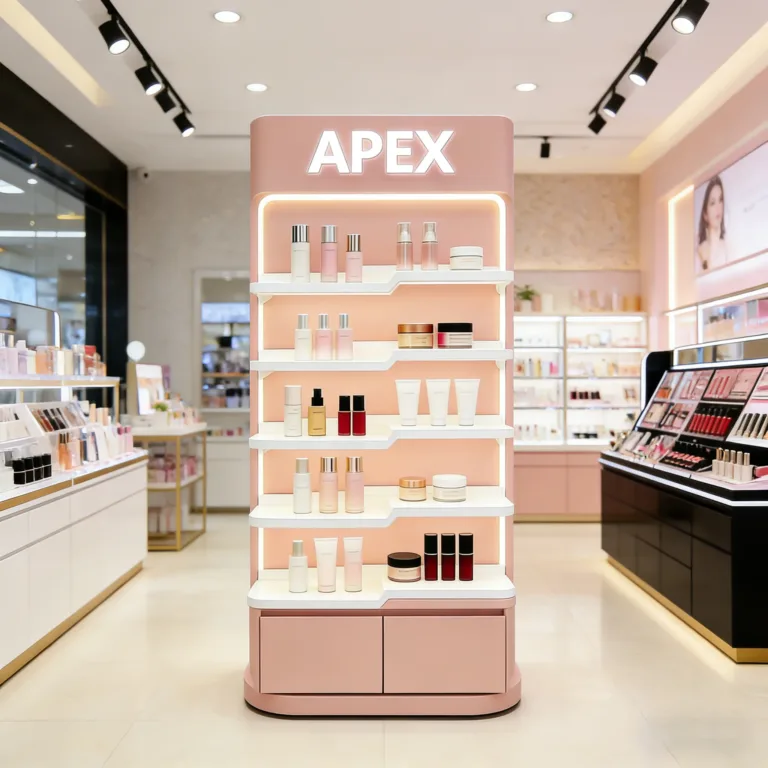
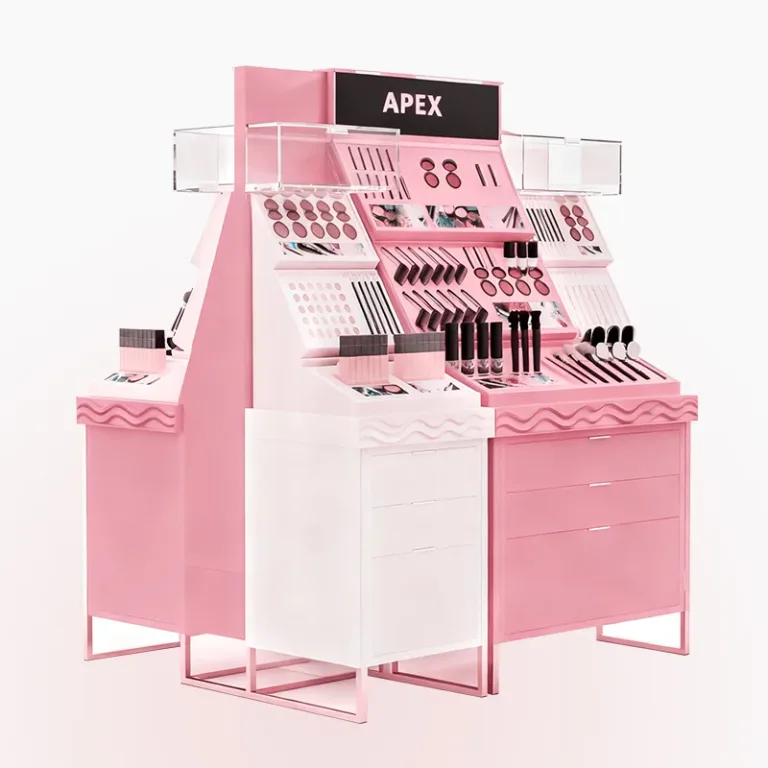
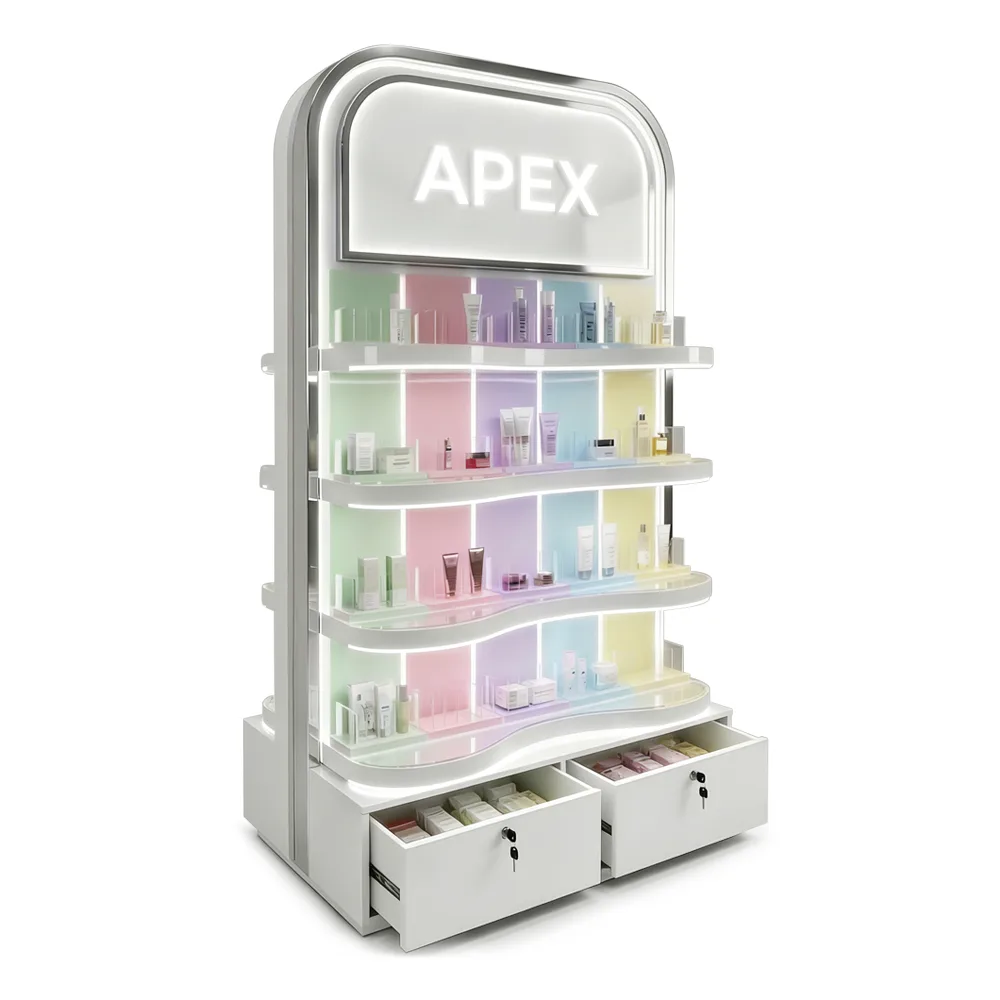
Visual clarity is paramount in this sector. Custom acrylic units often serve as the foundation, allowing brands to swap out insert panels or lighting accents when transitioning from a crisp “Spring Skincare” campaign to a vibrant “Holiday Makeup” launch.
By utilizing cosmetic display stands with modular tiered shelving, you can easily shift from displaying slim foundation bottles to bulkier skincare gift sets, ensuring the presentation remains elevated and seasonally relevant without needing to replace the entire fixture.
Consumer Electronics and Eyewear
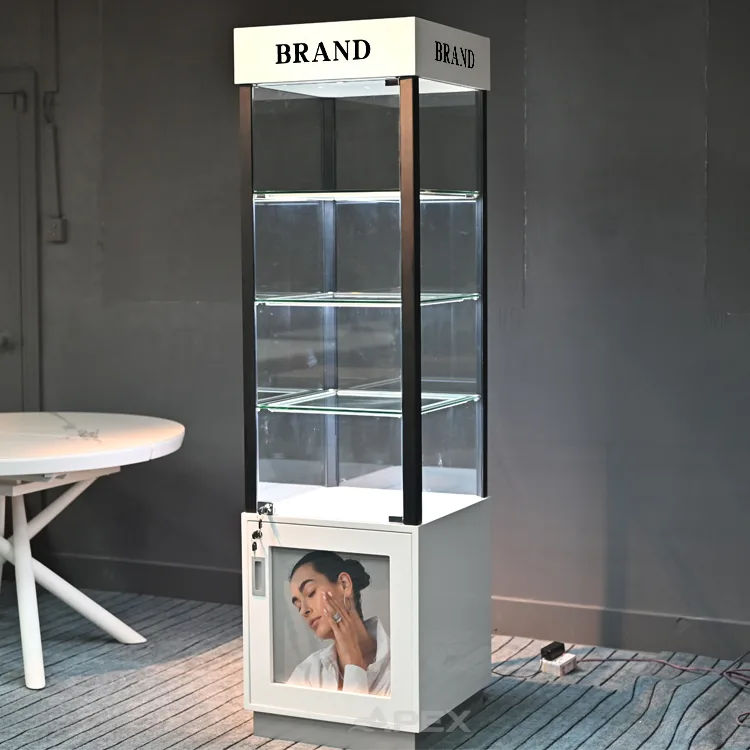
The emphasis here shifts toward security and tactile engagement. To handle seasonal cycles, utilize shelving with adjustable bracket systems that accommodate everything from compact summer eyewear collections to larger winter tech gift bundles.
During a product launch, simply swap out the header graphics on your acrylic sign holders to highlight holiday specifications, while keeping the structural display intact for the next cycle of new arrivals.
Supermarket and FMCG
For end-caps and general retail, the priority is high-volume durability. Replace fragile cardboard with a modular custom display rack that survives heavy foot traffic.

The flexibility shines during seasonal transitions: for instance, a unit used for “Back-to-School” stationery can be quickly reconfigured with different shelf heights for “Black Friday” electronics or “Holiday” snacks, ensuring every square inch of floor space delivers consistent ROI throughout the entire fiscal year.
A Step-by-Step Workflow for Custom Seasonal Display Implementation
Transitioning to a flexible display system requires a shift in how promotional campaigns are planned. Moving from a reactionary “purchase-and-discard” cycle to a strategic asset management approach involves a clear, repeatable process for designing custom display design solutions.
Audit the Annual Promotional Calendar
Start by mapping out key seasonal events—such as mid-year sales, back-to-school surges, and holiday peak seasons. Identify the specific footprint each promotion requires and categorize SKU sizes to determine the range of shelving heights and widths needed throughout the year.
Standardize the Base Architecture
Define a core fixture structure that meets the majority of your display needs. By focusing on a universal base, you simplify procurement. This foundation should be robust enough for multi-year use, with design focus directed toward high-quality materials that resist wear in high-traffic retail environments.
Develop Interchangeable Seasonal Kits
Instead of ordering new displays, develop kits containing seasonal graphics, header panels, and secondary accessories. These components should be designed for rapid installation, allowing store teams to transform a general merchandise unit into a themed campaign display in under ten minutes.
Prototype and Stress-Test
Before a full-scale rollout, pilot the modular configuration in a controlled environment. Test the assembly process to ensure that no tools are required and that the structural integrity remains sound after multiple reconfigurations. This phase is critical for identifying potential bottlenecks in your seasonal promotion planning.
Evaluate Lifecycle ROI
Track the performance of your assets over time. By comparing the cost of replacing small decorative components against the expense of traditional, full-unit replacements, the financial benefits of an adaptable system become clear. This data-driven perspective justifies the initial investment in higher-grade, multi-use retail hardware.
Final Thoughts
Flexible, modular display fixtures are a strategic investment, not just a retail trend. By prioritizing durability and adaptability, you cut costs and waste while keeping your brand visually sharp year-round. Ready to optimize your seasonal retail strategy? Reach out to Apex Store Solutions for a custom design consultation today.