Choosing between China and Vietnam for cosmetic display manufacturing depends on the project’s design requirements, production capabilities, and sourcing priorities. For beauty brands and retail chains, the right manufacturing partner should support both individual fixtures and coordinated retail display programs.
How China and Vietnam Compare in Manufacturing Capabilities
Manufacturing Infrastructure Varies by Supplier
China has an established retail fixture manufacturing network, particularly in hubs such as Guangdong. Access to metal fabrication, lighting, printing, and woodworking suppliers can support projects involving multiple fixture types and integrated components.
Vietnam also offers retail fixture manufacturing, but capabilities vary by factory and supplier network. Some manufacturers rely on external partners for specialized processes, which can affect production coordination and quality control.
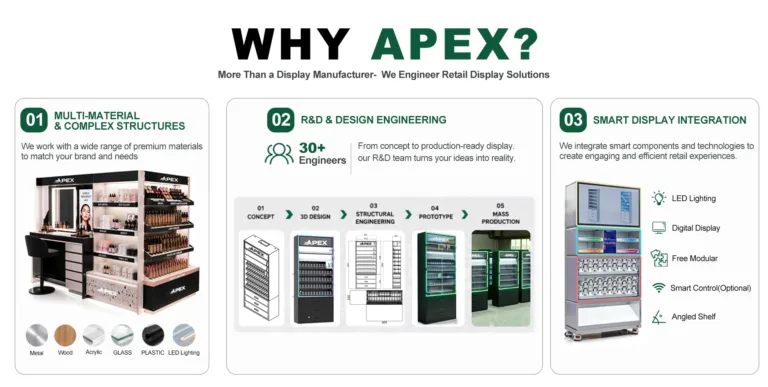
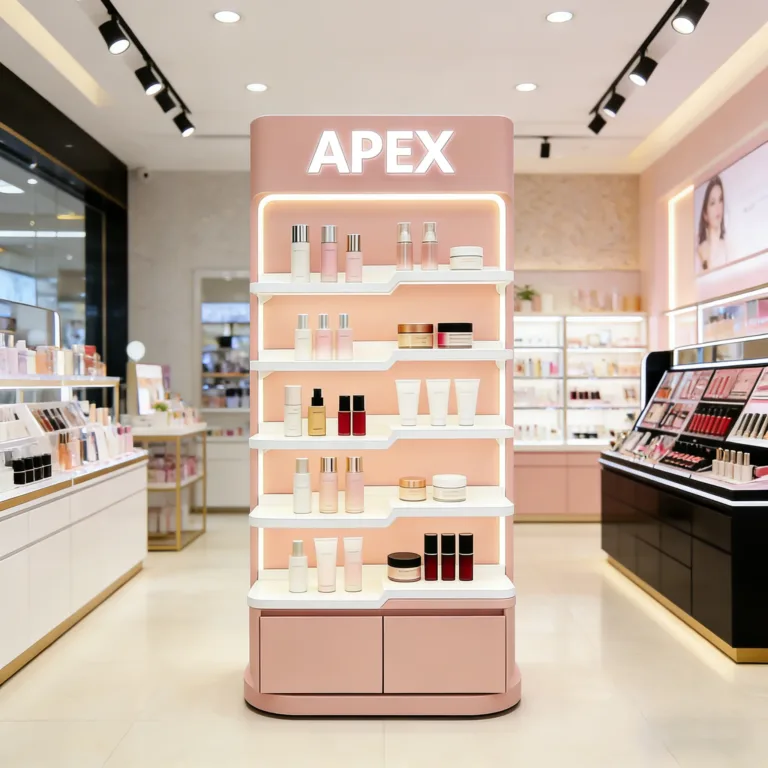
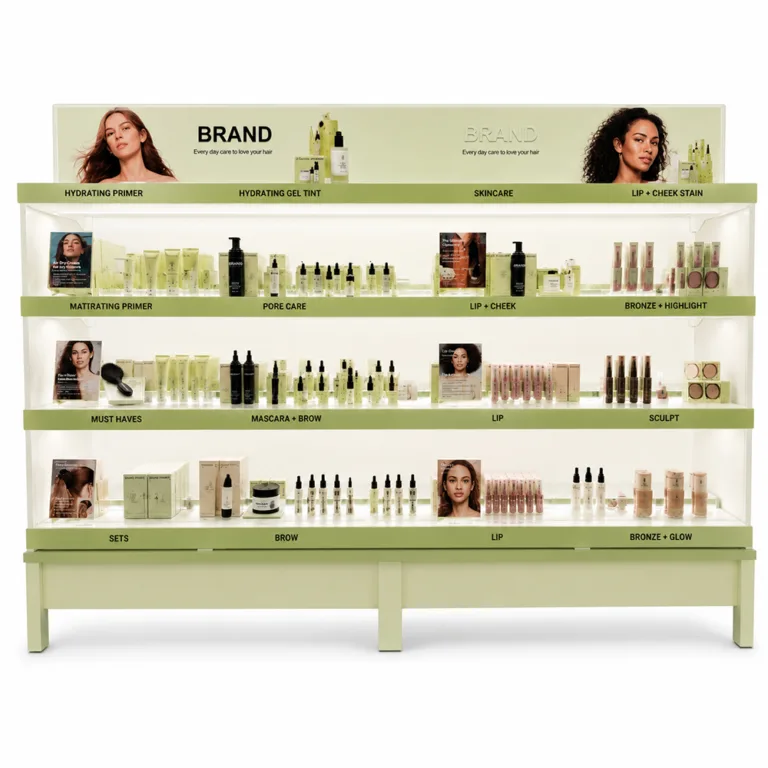
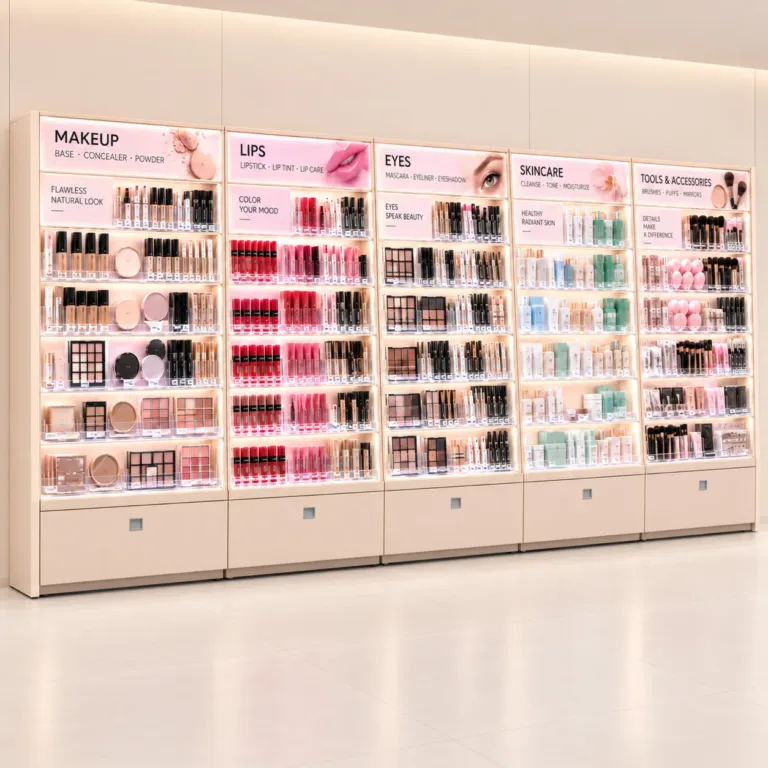
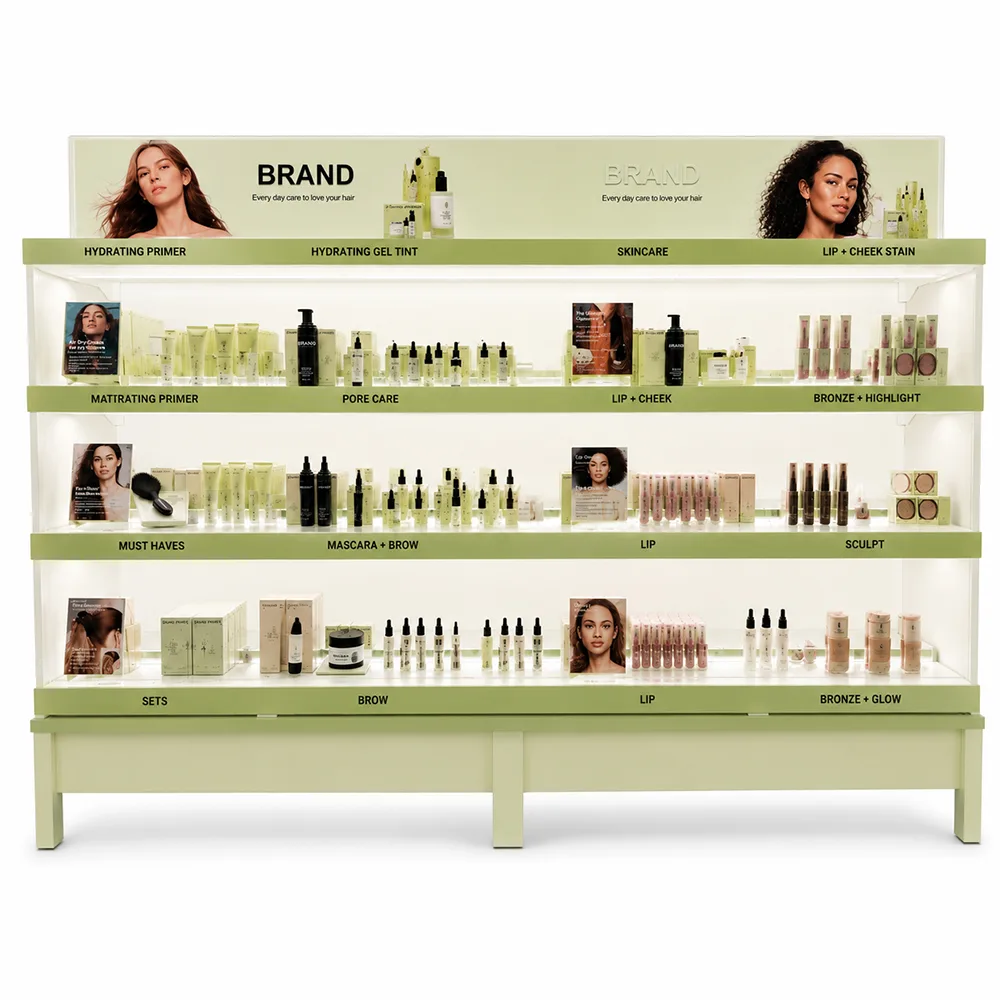
For beauty brands planning customized retail displays, APEX offers a range of cosmetic display solutions designed for different product categories and store layouts.
Customization Requires Engineering Support
Chinese manufacturers with relevant project experience may coordinate metal structures, surface finishing, lighting integration, and assembly for customized display cabinets, shelving, and counters.
Vietnamese manufacturers also undertake custom projects, depending on their engineering resources and production capabilities. Buyers should review previous projects involving technical drawings, integrated lighting, and coordinated fixture components.
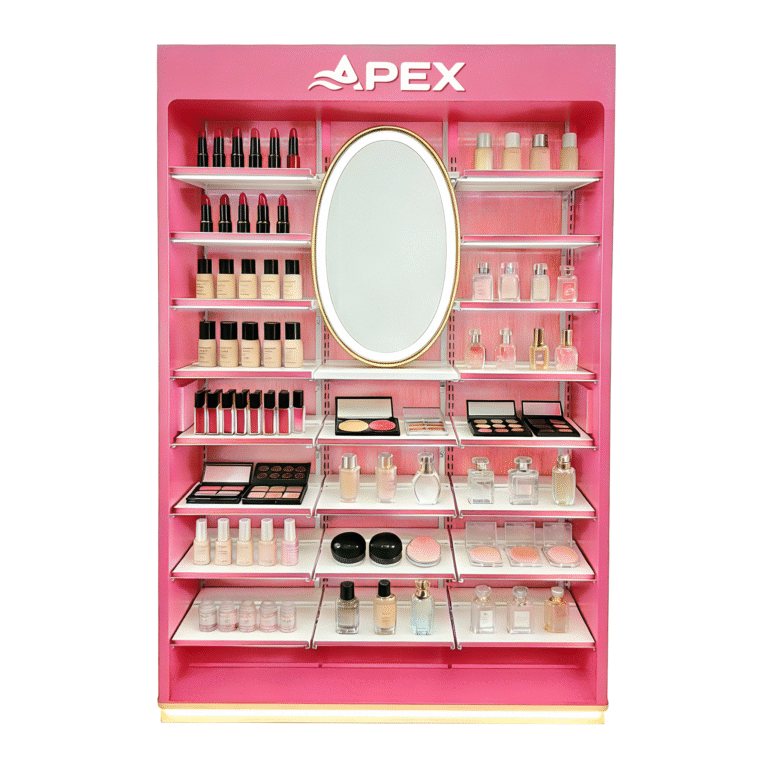
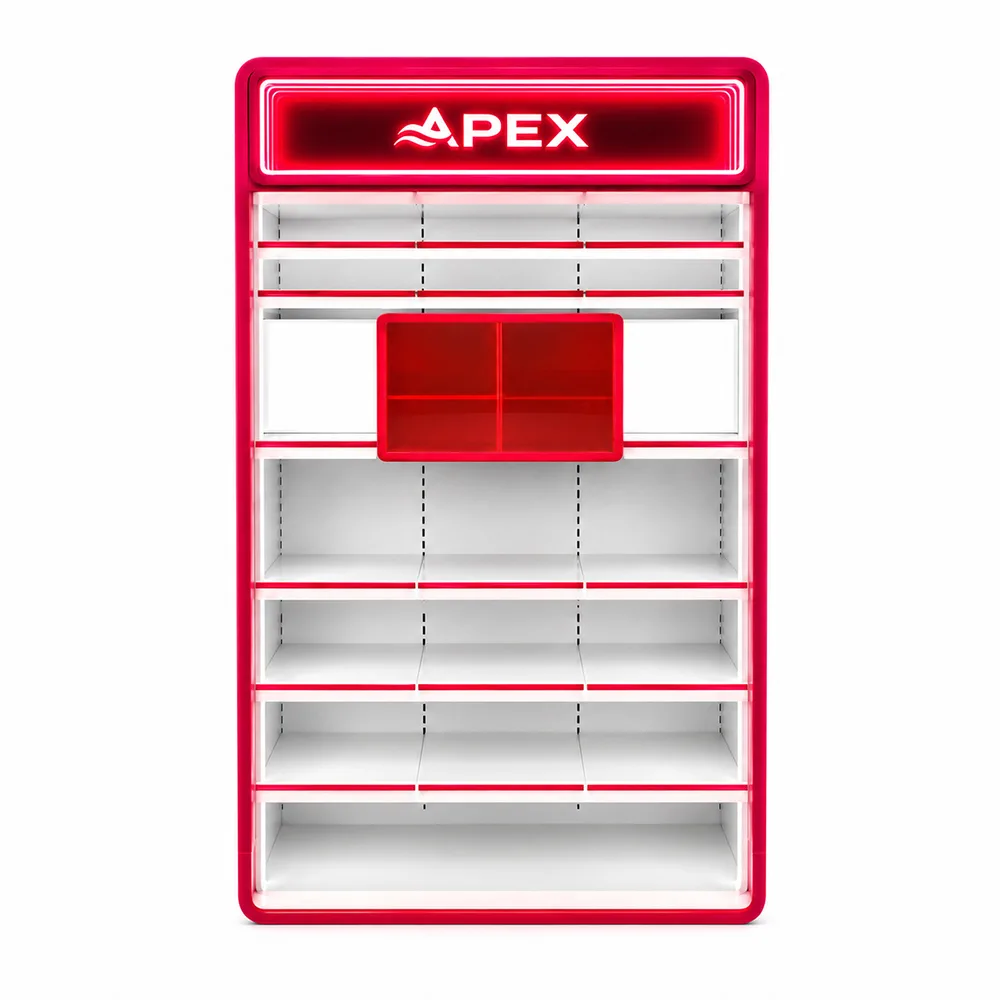
For projects requiring integrated lighting and flexible product placement, APEX’s custom LED cosmetic display stand offers adjustable shelving and illuminated product presentation.
Sampling Schedules Depend on Project Complexity
Sampling timelines in both countries depend on design revisions, component availability, factory workload, and approval speed. Established supplier networks may help coordinate sourcing, while outsourced processes can introduce additional communication steps.
Request a production schedule covering design approval, sampling, revisions, mass production, inspection, and shipment before placing an order.
How to Compare Cosmetic Display Manufacturing Costs
Compare Complete Quotations
Factory price is only one part of the purchasing decision. Tooling, engineering, sampling, packaging, freight, insurance, customs duties, and destination delivery all contribute to total sourcing costs.
Labor costs may differ between China and Vietnam, but their impact depends on the fixture design and production process. Displays involving structural metalwork, customized finishes, and lighting integration have different cost requirements from standardized units.
Provide all shortlisted suppliers with the same drawings, bill of materials, finishes, order quantities, and packaging requirements to make quotations comparable.
Account for Tariffs and Shipping
Import duties depend on the destination market, product classification, customs value, applicable trade measures, and country-of-origin rules. For US-bound shipments, certain Chinese-origin products may be subject to Section 301 duties, while Vietnamese-origin goods may face different applicable tariffs. Verify current requirements for the specific product before estimating import costs.
Shipping expenses depend on fixture dimensions, packing density, transport mode, and destination. Knock-down construction may improve container utilization when the design allows safe transportation and straightforward assembly.
Identify the Main Cost Categories
Total cost of ownership (TCO) includes the initial purchase price and additional expenses associated with delivery, quality, maintenance, and project execution.
| Cost category | Items to evaluate | Impact on sourcing decisions |
| Acquisition | Unit price, tooling, engineering, sampling | Determines initial investment |
| Logistics | Freight, insurance, customs clearance, delivery | Affects landed cost and delivery schedules |
| Quality | Inspection, rework, damage, replacement | Influences quality-related expenses |
| Maintenance | Repairs and replacement of serviceable components | Affects long-term maintenance costs |
| Operational disruption | Installation delays and missed store openings | May increase project costs |
Standardized, high-volume displays may place greater emphasis on unit price and shipping efficiency. Premium retail fixture programs may require more attention to engineering accuracy, finish consistency, and replacement support.
Compare suppliers using equivalent specifications, quantities, inspection requirements, and delivery terms.
How to Assess Supply Chain and Delivery Risks
Verify Production Control
A manufacturer’s location alone does not guarantee reliable delivery. Buyers should identify which processes are handled in-house and which depend on subcontractors.
Review production plans, critical component sourcing, quality-control procedures, and responsibilities for resolving production issues. Clear ownership of these processes helps reduce coordination risks during mass production.
Confirm Logistics Before Production
Shipping schedules depend on carrier availability, port selection, customs clearance, and inland transportation. Neither country is automatically more reliable for every destination.
Confirm the shipping route, estimated transit time, packaging dimensions, and contingency arrangements. Projects tied to store openings should allow sufficient time for inspection, customs clearance, and local delivery.
How to Evaluate Cosmetic Display Manufacturers
Assess Engineering Capabilities
Request engineering drawings, a bill of materials, finish specifications, and documented sample revisions. Confirm how approved specifications will be maintained during mass production, particularly when multiple fixture types must follow a consistent brand design.
Define Quality Requirements
Set acceptance criteria for structural stability, dimensions, surface finishes, graphics, lighting, and packaging. Approve a production sample before mass production and establish inspection procedures appropriate to the order size.
Verify Compliance Requirements
Compliance depends on the destination market and product configuration. Displays incorporating electrical components may require additional safety documentation compared with non-electrical fixtures.
Identify applicable safety, material, labeling, and import requirements before production. Verify that required certificates or test reports cover the actual product.
Which Sourcing Strategy Fits Your Project?
Complex Retail Display Programs
Projects involving metal structures, lighting, customized graphics, and multiple fixture types require coordinated engineering and production. Prioritize suppliers that can manage component integration and maintain consistent specifications across the complete order.
Standardized High-Volume Fixtures
Repeatable displays may place greater emphasis on unit cost, production capacity, packaging efficiency, and repeat-order consistency. Both China and Vietnam can be suitable, depending on supplier capabilities and commercial terms.
Hybrid Sourcing for Product Development
Some brands develop designs with one supplier and transfer volume production to another. This approach requires consistent drawings, bills of materials, finish references, assembly instructions, and quality criteria to maintain product consistency.
Frequently Asked Questions
What should buyers include in a quotation request?
Provide drawings or reference images, dimensions, finishes, lighting requirements, branding details, quantities, packaging needs, delivery destination, and target schedule.
How can buyers reduce quality risks?
Approve a production sample, document specifications, define acceptance criteria, and establish inspection checkpoints. Independent pre-shipment inspection may be appropriate for larger orders.
How should landed costs be compared?
Include unit price, tooling, packaging, freight, insurance, applicable duties, customs clearance, and destination delivery.
Conclusion
Choose a manufacturing partner based on verified capabilities, project requirements, and total sourcing costs. To discuss customized cosmetic displays or coordinated retail fixture programs, contact APEX for pricing.