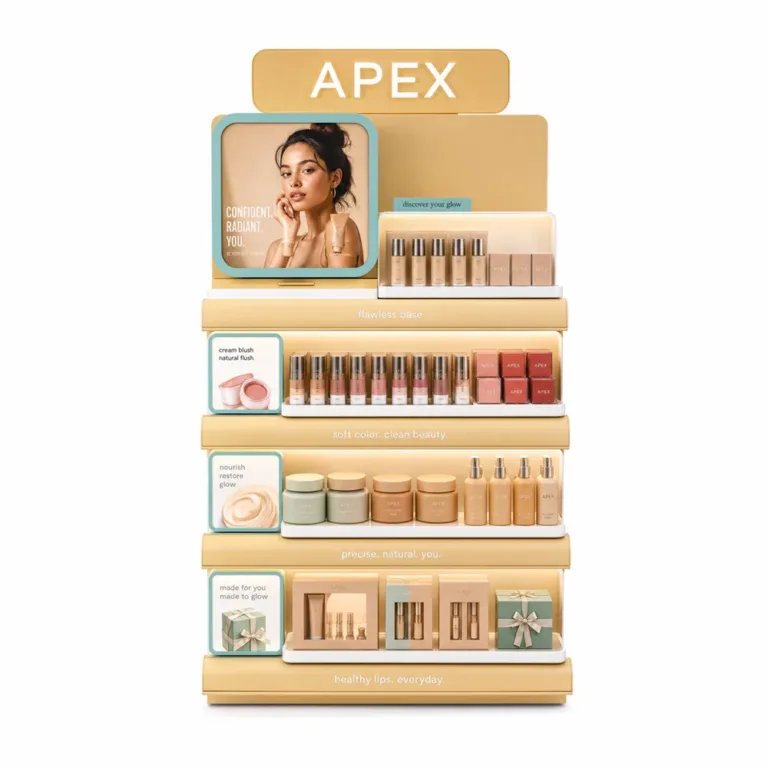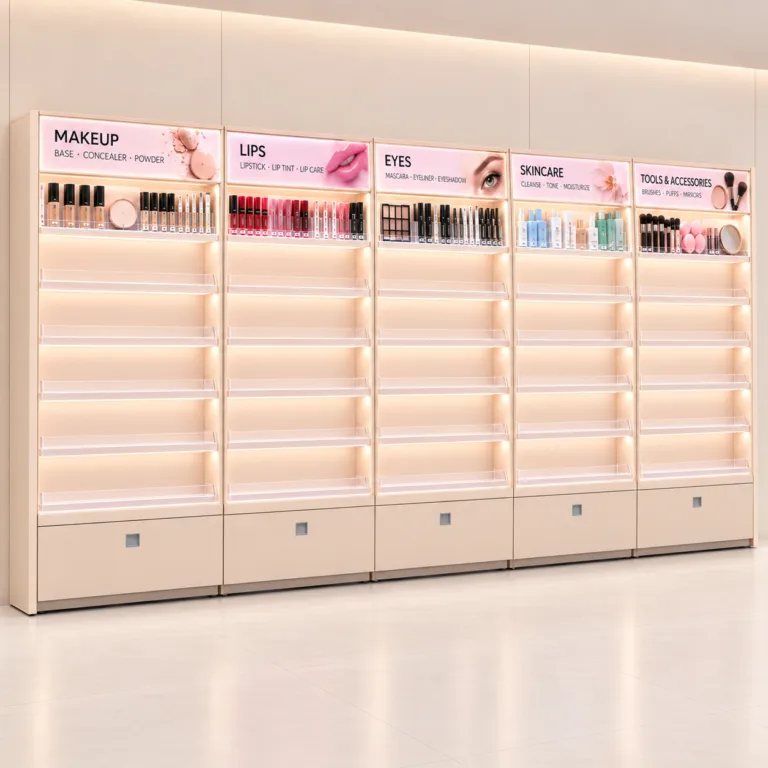
As one of the most versatile materials in retail and branding, acrylic is favored for its crystal-clear quality and durability. Whether used in acrylic display stands or acrylic display racks, acrylic can be customized through various printing methods. Among the options, UV printing and screen printing stand out as two popular choices, each with unique advantages. Choosing the right printing method can significantly impact the look, durability, and cost of your project, so understanding their differences is essential.
What is UV Printing
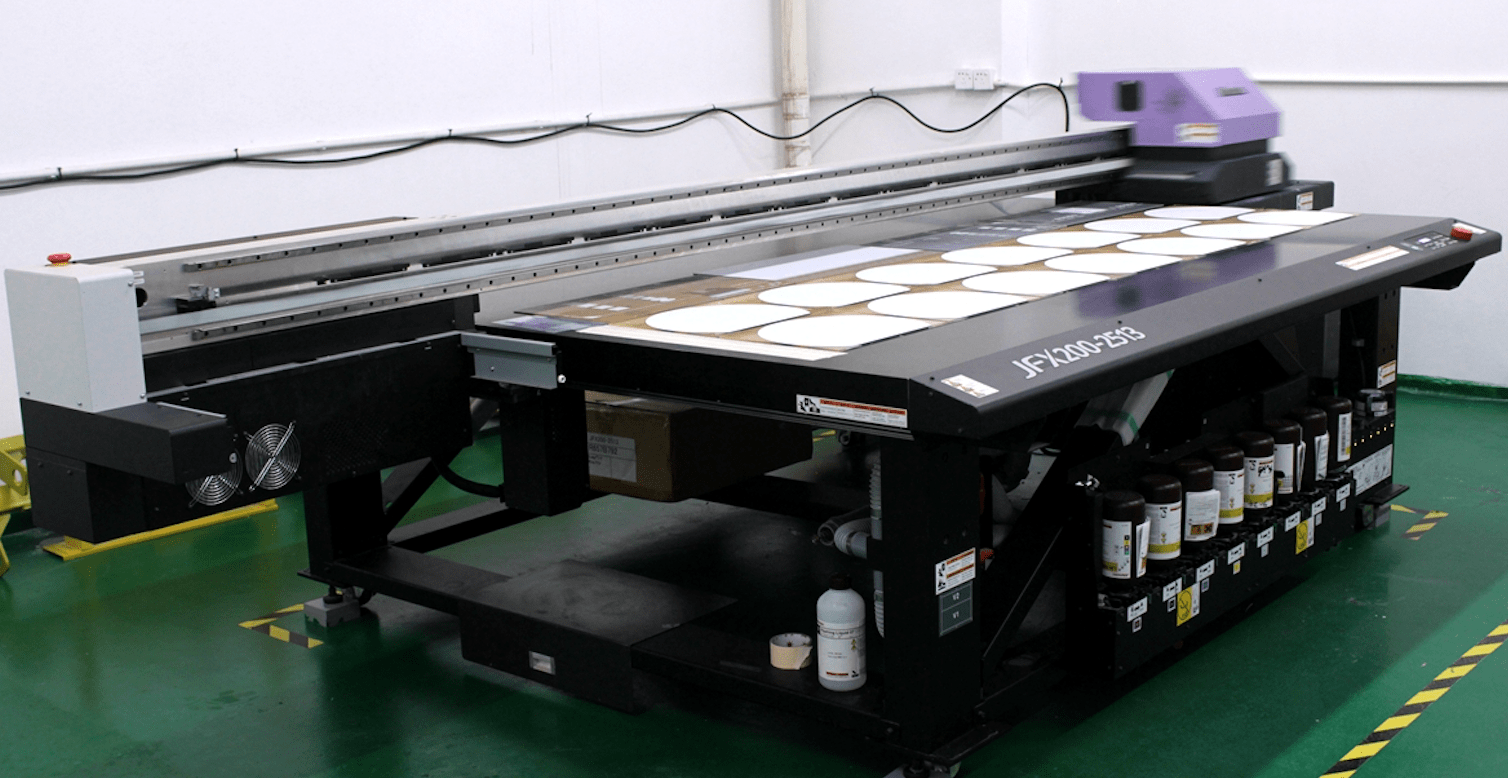
UV printing is a modern, digital technique that uses ultraviolet light to instantly cure inks on the acrylic surface. This rapid curing process not only prevents smudging but also makes it possible to create intricate, high-resolution images. Often chosen for custom acrylic products, UV printing is ideal for detailed, colorful designs.
What is Screen Printing
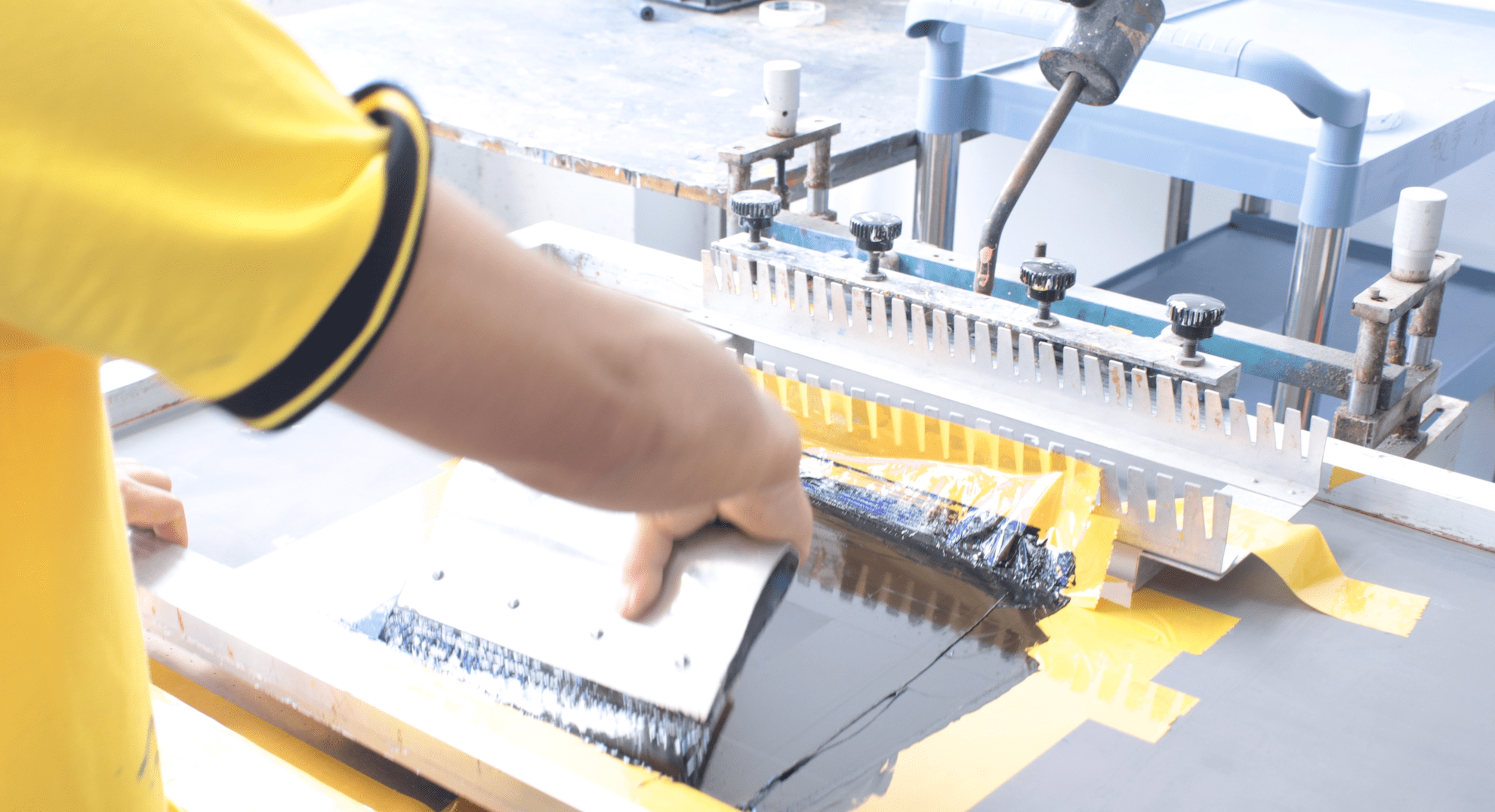
In contrast, screen printing is a traditional method in which ink is pressed through a mesh stencil onto the acrylic surface. While this approach may be less versatile in color and detail, it remains cost-effective for large batches. Screen printing produces bold, solid colors and works well for acrylic display racks with simpler designs, such as text or logos.
By exploring the nuances of each method, you’ll find which one aligns better with your project’s goals.
Acrylic UV Printing vs. Screen Printing
We’ll break down the main differences between UV and screen printing based on criteria that matter most in custom acrylic projects.
1. Color Range and Detail Quality
UV Printing produces intricate details and vibrant color gradients, making it ideal for acrylic display stands or decorative pieces with complex designs and brand logos. Its photo-quality output captures fine details and subtle color transitions, providing a refined visual impact.
Screen Printing, by contrast, is better suited for bold, solid colors and straightforward designs. Ideal for acrylic display racks with simple logos or text, it achieves crisp, vivid colors without intricate details. Its straightforward approach is perfect for uncomplicated branding needs.
In short, if your design needs vibrant complexity, UV printing is likely the best choice. For solid color applications, screen printing remains a reliable option.
2. Cost and Volume Efficiency
Screen Printing is cost-effective for large volumes, as initial screen setups can be reused, lowering per-unit costs. This makes it ideal for bulk orders, like uniform acrylic display racks for branding purposes.
UV Printing is more economical for custom, short runs. With minimal setup, it efficiently handles one-off custom acrylic products or personalized acrylic display stands without high upfront costs.
Ultimately, budget and quantity will guide your choice: screen printing works well for bulk orders, while UV printing shines in custom projects with lower quantities.
3. Durability and Environmental Impact
UV Printing uses UV-cured inks that resist water and scratches, making it durable for both indoor and outdoor acrylic displays. It also has a lower environmental impact, emitting fewer VOCs during curing.
Screen Printing varies in durability depending on ink type, often needing extra coatings for outdoor use. It may involve chemicals that require careful handling, especially in large-scale production.
Thus, if durability and eco-friendliness are priorities—particularly for outdoor acrylic displays—UV printing may offer more benefits.
4. Speed and Customization Flexibility
UV Printing offers rapid setup and easy adjustments, ideal for custom acrylic products needing quick changes or unique designs. Its flexibility allows for fast, high-quality results with minimal downtime.
Screen Printing requires more initial setup for stencils, making it slower for custom projects but efficient for large batches. Once set, it’s productive for high volumes of similar acrylic display racks with minimal customization needs.
When customization and speed are essential, UV printing offers a clear advantage. For standard, high-volume projects, screen printing delivers cost and efficiency benefits.
Addressing Common Issues in Each Printing Method
Understanding common challenges in each printing method helps ensure smoother production and optimal results.
Screen Printing:
- Color Bleeding: To avoid color bleeding, ensure the ink consistency is thick enough, and clean the screen between prints. This is crucial when printing logos or large areas on acrylic display racks.
- Registration Misalignment: Check alignment carefully to prevent misaligned designs. This is especially important when layering colors.
- Ink Distribution: Consistent squeegee pressure ensures even ink application across acrylic display stands, preventing patches.
UV Printing:
- Overspray and Static: To avoid ink overspray, which can disrupt the design, use antistatic measures on the acrylic surface. This is particularly beneficial for high-resolution custom acrylic products.
- Ink Splatter from Airflow: Minimizing airflow and keeping a clean print area reduces the chance of ink splatter, ensuring high-quality finishes on acrylic display stands.
By managing these challenges, you’ll maintain the integrity and appearance of your acrylic displays.
Applications of Acrylic UV Printing
Here’s how UV printing is used across different applications for acrylic products:
Custom Acrylic Displays and Signs
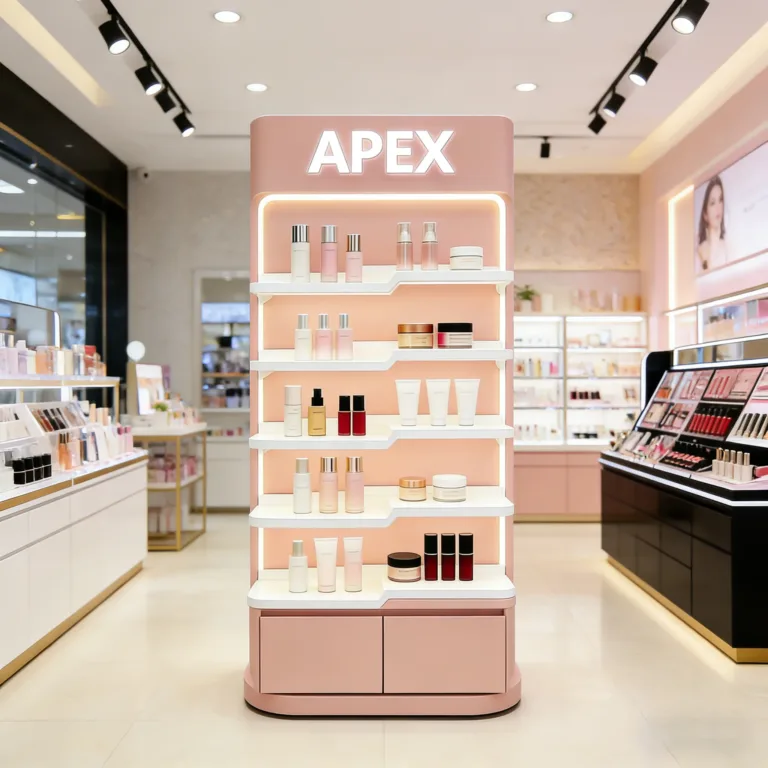
UV printing’s durability and vibrant color quality make it ideal for creating customized acrylic display stands and signs. Its ability to produce high-resolution images means brands can showcase detailed logos, graphics, and intricate designs, making it popular for both indoor and outdoor signage.
Home Decor and Art
For home decor, UV printing allows for detailed and colorful designs on acrylic sheets, often used for photo displays, wall art, and decorative panels. It supports gradient colors and fine details, helping create pieces that have a high visual impact and personalized touch.
Personalized Promotional Products
UV printing supports single or short-run productions, making it an excellent choice for creating unique promotional items, such as acrylic keychains, photo frames, or branded giveaways. It’s widely used for one-off or limited-edition promotional products where high customization is key.
Screen Printing Applications
Here are some key applications where screen printing is commonly applied to acrylic products:
Simple Logo and Text Designs
Due to its limitations with gradients, screen printing is best for solid color logos or text-based designs. It’s a go-to method for straightforward, bold branding on acrylic signage, especially when intricate details or multiple colors aren’t necessary.
Bulk Production of Branded Acrylic Displays
Screen printing is highly cost-effective for large-scale production, making it ideal for acrylic display racks and display stands where consistent logos or branding is required. It’s commonly used for retail displays, where bold colors and durable prints are prioritized for branding impact.
Industrial and Informational Signage
Screen printing provides long-lasting prints suitable for functional signage, like safety signs or instructional acrylic boards. Its durability with solid, simple graphics ensures clear visibility, even in high-use or outdoor areas.
Choose the Right Printing Solution with Apex
When choosing between UV and screen printing for acrylic, consider how each method aligns with your project’s needs. For high-detail, custom pieces or rapid turnaround, Apex’s UV printing services offer vibrant colors, durability, and flexibility—ideal for unique acrylic displays. For bulk orders with simple, bold designs, Apex’s screen printing provides an efficient, cost-effective solution. With nearly 20 years of experience, Apex is here to help bring your vision to life. Contact us today by apex@aapex.cn to discuss the best printing solution for your acrylic display projects!