The way products are presented in-store has a direct impact on how customers perceive them and whether they decide to buy. Retail display design is no longer just about organizing products—it is a strategic tool that influences attention, movement, and purchasing decisions. A well-planned store display design helps guide customers through the space, improves product visibility, and creates a consistent brand experience. When these elements work together, they support better engagement and stronger sales performance.
First Impressions Shape Customer Decisions
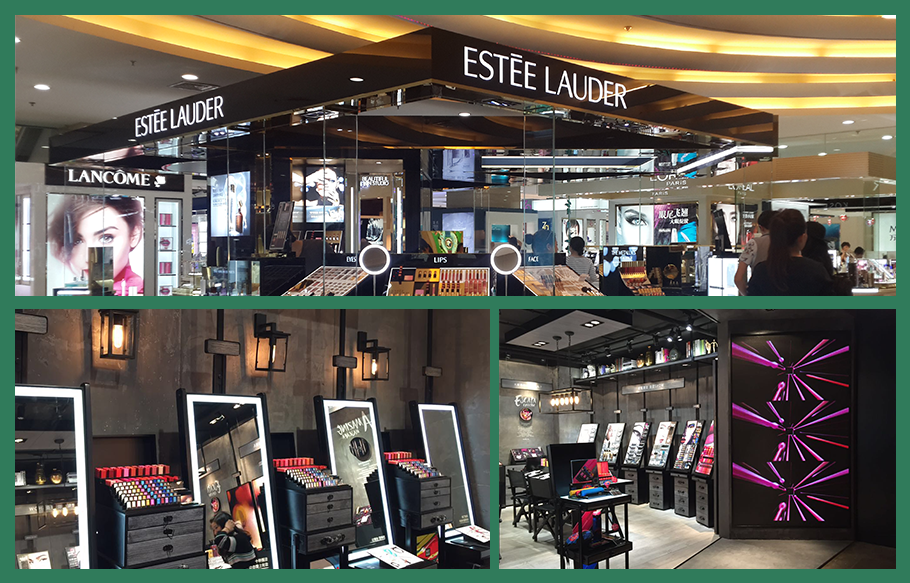
When customers enter a store, they quickly form an opinion about the space. This first impression is often based on layout, lighting, and the visual impact of display fixtures. A clean and open entrance with clear product presentation creates a welcoming feeling, while a crowded or disorganized space may discourage further exploration.
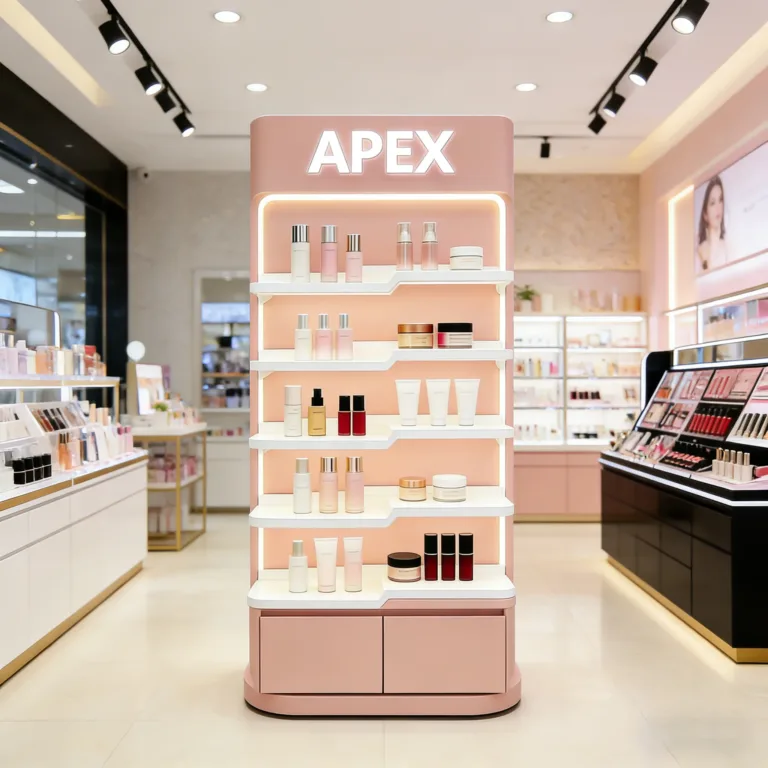
Effective retail display solutions often include a strong visual focal point near the entrance. This can be a feature display or a branded display rack that highlights key products. Such displays attract attention immediately and encourage customers to move deeper into the store. By presenting products clearly from the beginning, retailers can create a positive perception and increase the likelihood of engagement.
Store Layout Guides Customer Flow
Beyond the entrance, store layout plays an important role in shaping customer behavior. A well-designed layout helps customers move naturally through the space and increases their exposure to different product categories.
Retailers often use structured layouts such as grid or loop designs to guide movement. Within these layouts, retail display racks act as visual markers that define pathways and create browsing zones. Carefully placed display units can slow down customer movement, encouraging them to spend more time exploring products.
In addition, display racks can be used to create focal points throughout the store. These focal areas draw attention to specific products, promotions, or new arrivals. By guiding customers step by step without creating confusion, an effective layout improves both the shopping experience and product discovery.
Product Placement Improves Visibility and Sales
Product placement is one of the most important aspects of store display design. Customers are more likely to notice products that are placed within their natural line of sight. Items positioned at eye level are typically seen first and are more likely to be considered for purchase.
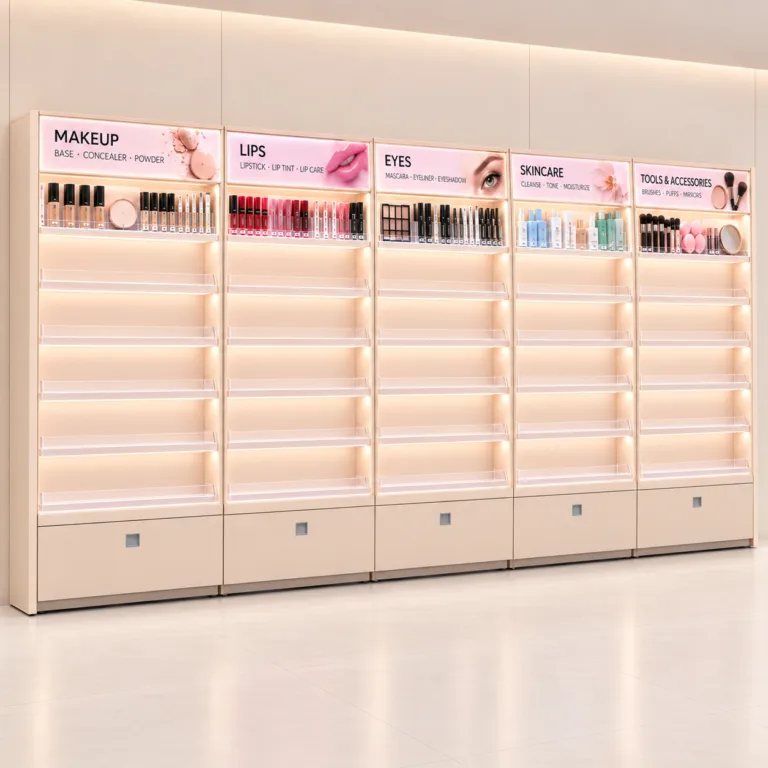
Display racks with adjustable shelves provide flexibility in arranging products according to priority. High-demand or high-margin items can be placed in prominent positions, while supporting products can be arranged around them. This structured approach ensures that key products receive maximum exposure.
End-of-aisle displays and feature racks also play a significant role. These locations naturally attract attention as customers move through the store. When used effectively, they can highlight promotions and encourage additional purchases.
Lighting Enhances Product Appeal
Lighting is a powerful element in retail display design. It not only improves visibility but also influences how products are perceived. Bright and well-balanced lighting helps customers navigate the store comfortably, while focused lighting can highlight specific products or display areas.
Accent lighting, such as LED strips integrated into display racks, draws attention to product details and enhances color and texture. This is especially important for products like cosmetics, electronics, or accessories, where visual appearance plays a key role in decision-making.
In addition, lighting contributes to the overall atmosphere of the store. A well-lit environment feels more inviting and professional, which can positively influence customer behavior and increase the time spent in-store.
Organized Displays Improve Customer Experience
Clear and organized displays make it easier for customers to find what they need. When products are grouped logically and arranged neatly, customers can quickly understand the available options and make decisions more efficiently.
Disorganized shelves, on the other hand, can create confusion and reduce customer confidence. A structured display using well-designed retail display racks helps maintain consistency and improves overall store appearance.
Categorization also supports better product comparison. When similar items are displayed together, customers can evaluate differences in features or pricing more easily. This clarity contributes to a smoother shopping experience and can increase conversion rates.
Emotional Engagement and Impulse Buying
Retail display design also influences customer behavior on an emotional level. Attractive displays can create a sense of interest, excitement, or urgency, which encourages customers to explore products further.
Strategically placed display racks near checkout areas are often used to promote impulse purchases. Small, easy-to-pick items placed in these areas can lead to additional sales without requiring much decision time.
Color, lighting, and presentation style all contribute to emotional engagement. A well-designed display environment makes the shopping experience more enjoyable, which can increase both customer satisfaction and purchasing frequency.
Cross-Merchandising Encourages Additional Purchases
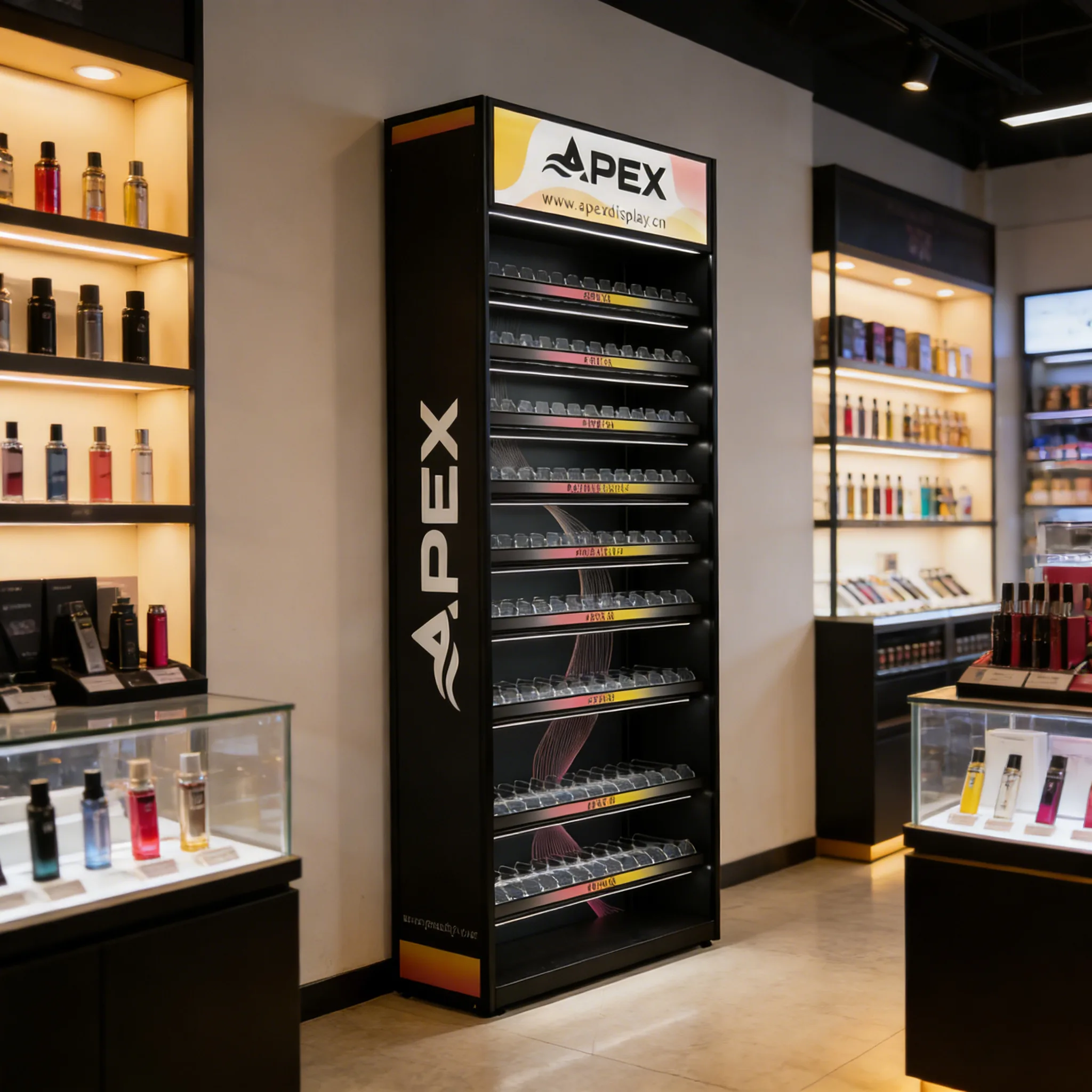
Another effective strategy in retail display solutions is cross-merchandising. This involves placing related or complementary products together to encourage customers to purchase more than one item.
For example, displaying accessories next to main products or grouping items by usage scenarios can help customers discover additional options. This approach not only improves convenience but also increases the average transaction value.
Display racks designed for flexibility make it easier to implement cross-merchandising strategies. Adjustable layouts allow retailers to update product groupings based on promotions, seasons, or changing customer preferences.
Consistent Display Design Strengthens Brand Identity
In addition to influencing immediate purchasing decisions, store display design also plays a key role in building brand identity. Consistent use of colors, materials, and visual elements across display fixtures helps create a unified brand image.
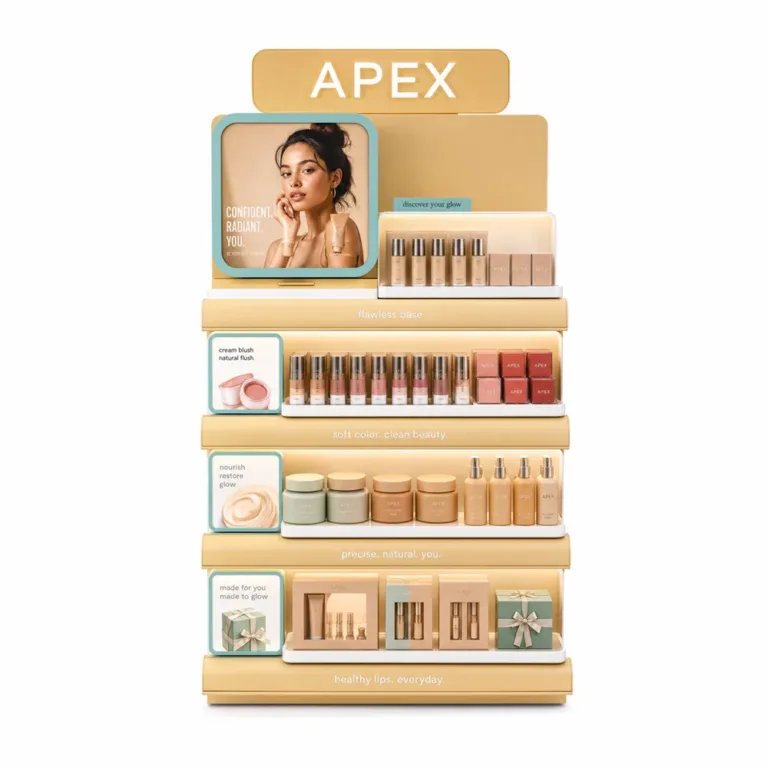
Custom retail display racks allow brands to integrate logos, graphic panels, and specific design styles into the retail environment. This consistency reinforces brand recognition and builds trust with customers.
For brands operating across multiple locations, standardized display systems ensure that customers experience the same visual identity in every store. This consistency supports long-term brand development and customer loyalty.
Flexibility Supports Changing Retail Needs
Retail environments are constantly evolving, with new products, seasonal promotions, and changing layouts. Flexible display systems help retailers adapt to these changes without significant additional costs.
Modular display racks allow for easy adjustment of shelves, panels, and configurations. This flexibility supports efficient updates and ensures that the display system remains relevant over time.
In addition, adaptable display solutions help retailers optimize space usage. Whether in small stores or large retail environments, flexible designs make it possible to maintain both functionality and visual appeal.
Conclusion
Retail display design has a direct and measurable impact on customer buying behavior. From first impressions and store layout to product placement and lighting, every element influences how customers interact with products and make purchasing decisions.
Well-designed retail display solutions improve product visibility, enhance customer experience, and support effective brand communication. By combining clear organization, strategic placement, and consistent design, retailers can create environments that encourage exploration and increase sales.
As competition continues to grow, investing in professional store display design and high-quality retail display racks becomes an important step toward improving both short-term performance and long-term brand value.
APEX provides custom retail display solutions for global brands, helping businesses improve product visibility, optimize store layout, and strengthen brand identity through well-designed display systems. With strong capabilities in metal, acrylic, wood, and multi-material fabrication, APEX creates retail display racks that balance durability, visual impact, and flexibility for different retail environments.
As a professional display racks supplier, APEX supports brands with end-to-end services—from concept design and prototyping to large-scale production—ensuring consistent, high-quality display solutions that enhance customer experience and drive sales performance.