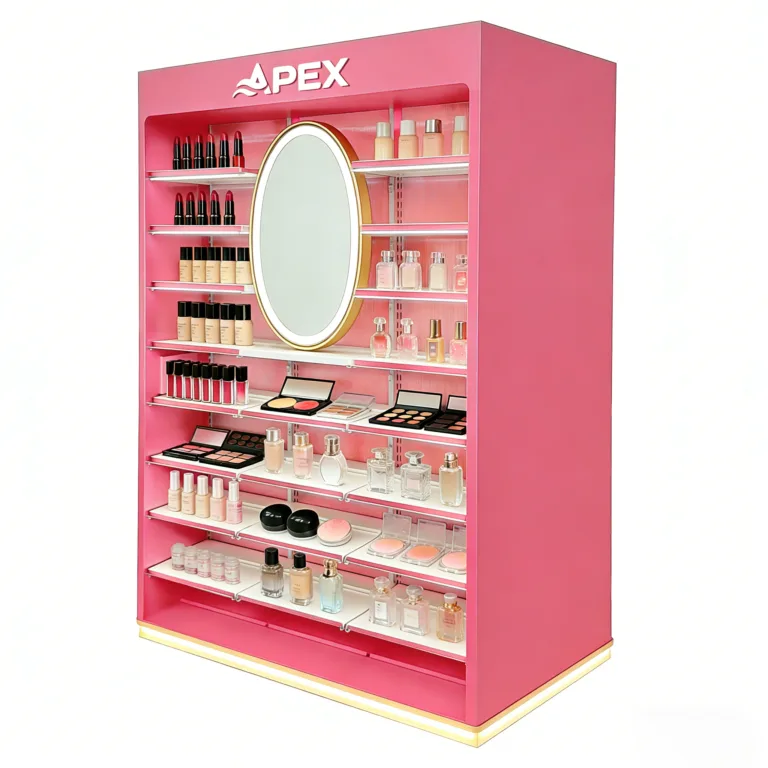
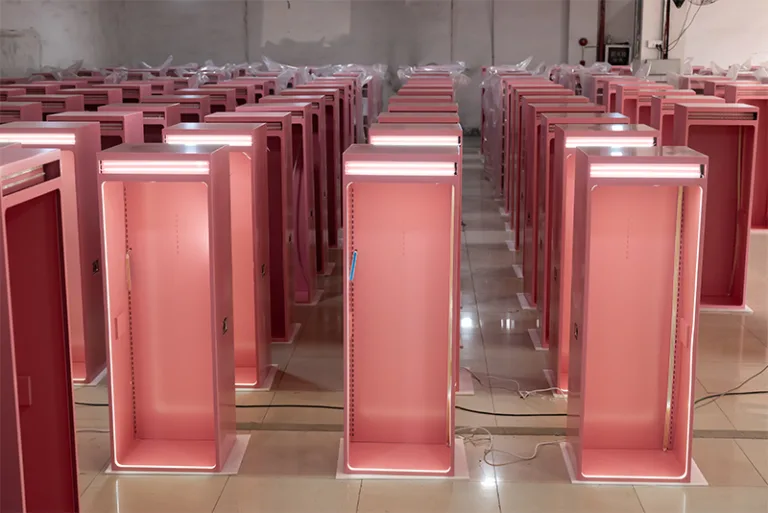
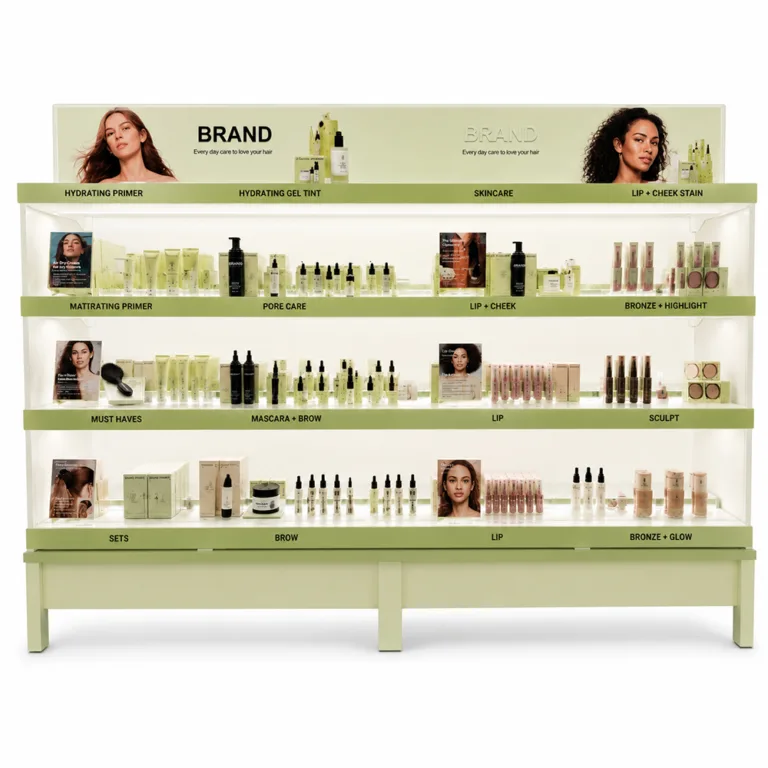
A perfume display fixture must do more than present products attractively. It needs to support the weight of perfume bottles, fit the retail environment, reflect brand identity, and maintain consistent quality across multiple store locations.
Before shipment, buyers should inspect the complete display system, including its supporting structure, material finishes, branding, functional components, and packaging. A systematic inspection helps identify production issues before they affect store installation or retail presentation.
Establish Inspection Standards Before Production
Confirm Display Specifications
Quality control starts with clear project requirements. Buyers should provide approved drawings, reference samples, dimensions, branding files, and functional requirements before manufacturing begins.
Specifications should cover the overall structure, product capacity, display layout, surface finishes, logo placement, and assembly methods. Metal frames, wooden panels, acrylic components, LED lighting, and detachable modules should also be identified where applicable. Reviewing suitable perfume display solutions can also help buyers evaluate different fixture configurations for their retail environments.
Define Acceptance Criteria
Agree on acceptable tolerances and inspection standards before production. Incorrect dimensions, unstable structures, damaged surfaces, and misplaced branding may require rework or rejection.
Clear acceptance criteria help manufacturers maintain consistent standards throughout production and provide buyers with a shared basis for approving finished products.
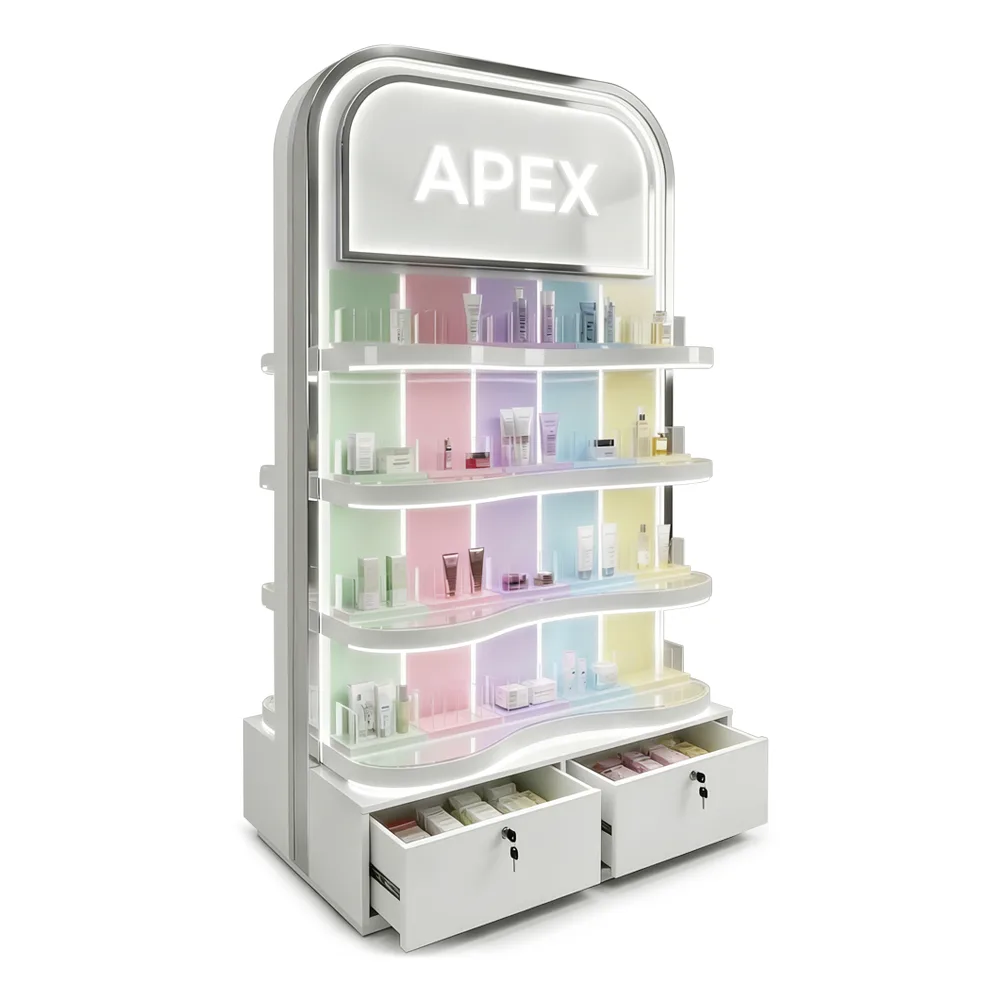
Inspect Display Structure and Material Finishes
Check Structural Stability
Start by examining the supporting frame, base, shelves, and product holders. These components should fit together correctly and support the expected number and weight of perfume bottles.
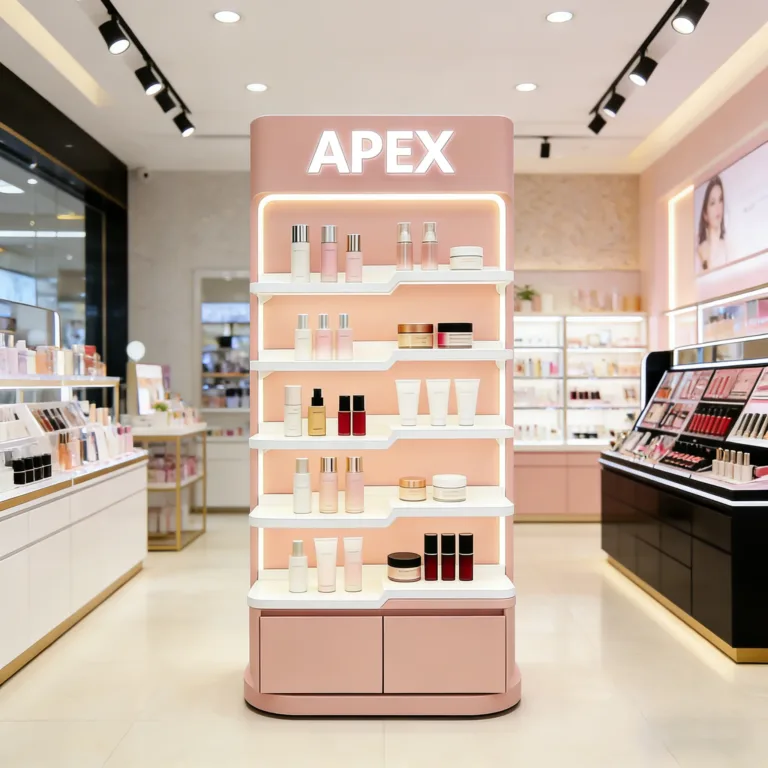
Place the display on a flat surface to check for wobbling or uneven contact. For floor-standing fixtures, inspect the supporting structure under the expected product load rather than evaluating an empty unit alone. For example, a floor-standing perfume display fixture should be checked for base stability, frame strength, and shelf load-bearing performance.
Examine Material Integration
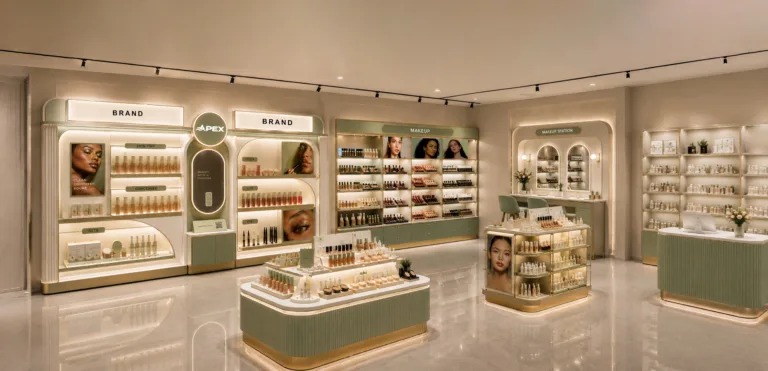
Customized perfume displays may combine metal structures, wood, acrylic panels, printed graphics, and lighting modules. Buyers should check whether these materials are properly integrated and maintain a consistent overall appearance.
Inspect exposed surfaces for scratches, cracks, stains, uneven colors, or poor finishing. Pay attention to connection points between different materials, where gaps, loose fittings, or alignment problems may occur.
Verify Critical Dimensions
Incorrect dimensions can affect product fit, store placement, and installation. Measure the overall height, width, and depth, along with shelf spacing, holder sizes, and base dimensions.
| Inspection Item | What to Check | Why It Matters |
| Overall structure | Height, width, and depth | Confirms store space requirements |
| Product holders | Slot sizes and spacing | Ensures bottles fit securely |
| Shelves | Level position and spacing | Supports organized merchandising |
| Supporting base | Flatness and dimensions | Helps prevent instability |
| Assembly points | Holes and connections | Ensures proper component fit |
Evaluate Assembly and Functional Features
Test Modular Components
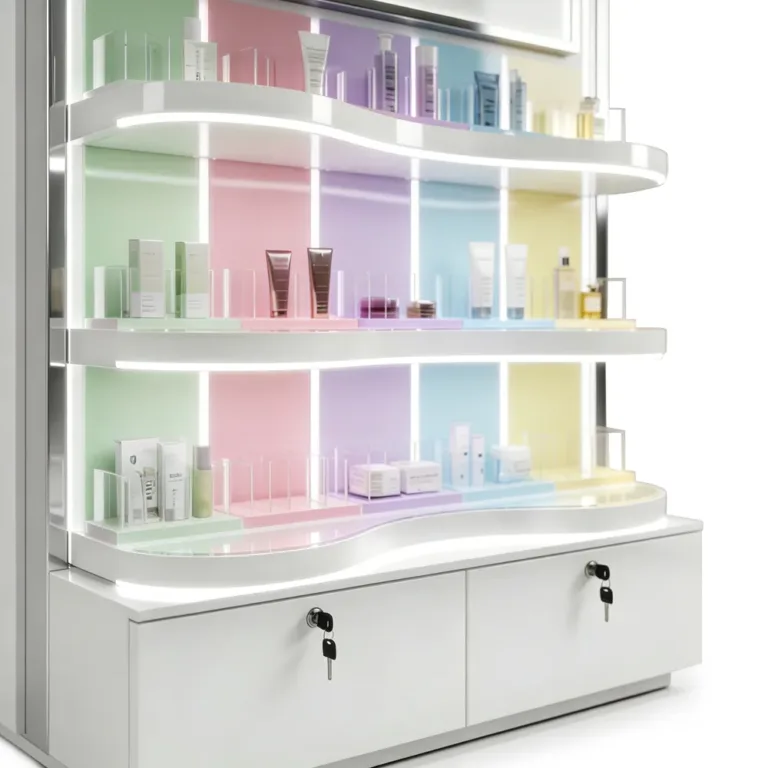
For detachable or modular displays, check whether each component connects securely without excessive force, noticeable gaps, or loose fittings. Assemble and disassemble selected units to confirm that installation is practical.
This is particularly important for projects involving multiple retail locations, where consistent assembly helps maintain the same display appearance across stores. Buyers should check the fit of structural sections, shelves, and detachable branding panels after assembly.
Check Lighting and Electrical Components
If the display includes LED lighting, test illumination across all designated areas. Check for flickering, uneven brightness, loose connections, and exposed wiring.
Power connections, switches, and component placement should also be reviewed to ensure convenient operation and maintenance. These features should match the approved design rather than being treated as additions after the main structure is completed.
For larger retail fixtures, verify that lighting modules are properly integrated into the overall structure and provide consistent illumination across the display.

Verify Branding and Retail Presentation
Inspect Graphic Accuracy
Compare logos, printed graphics, colors, and promotional messages with the approved artwork. Check alignment, image clarity, positioning, and consistency across the production batch.
Branding errors can affect the presentation of an entire retail project. For displays with replaceable graphic panels, confirm that the panels fit correctly and can be changed without damaging surrounding components.
Review Product Accessibility
Arrange representative perfume bottles and testers on the display to check spacing, visibility, and ease of access. Products should remain stable while customers browse or handle testers.
Also check whether promotional information is visible and whether the layout supports the intended customer experience. A display that looks correct when empty may not function as expected once fully stocked.
Complete Pre-Shipment Inspection and Packaging Checks
Review Quality Inspection Records
Before shipment, confirm that inspection results meet the approved specifications and that identified defects have been corrected. APEX’s custom display stand manufacturing capabilities describe quality control stages including IQC, IPQC, PQC, FQC, and OQC.
Buyers can request inspection photographs, videos, and reports to review finished products when an on-site inspection is not possible. For larger orders, checking samples from different production batches can also help identify inconsistencies.
Check Packaging and Shipment Details
Packaging should protect the complete display system during transportation. Separate protective materials may be needed for finished surfaces, metal components, lighting modules, and detachable parts.
For multi-store projects, confirm that components are labeled and assembly instructions are included where necessary. Before shipment, also verify product quantities, carton details, packing lists, and agreed shipping documents.
Frequently Asked Questions
When should buyers inspect perfume displays?
Inspection should take place after production is complete but before shipment, leaving enough time to correct defects.
What are common quality issues in perfume displays?
Common issues include unstable structures, incorrect dimensions, damaged surfaces, uneven printing, loose connections, and inconsistent lighting.
Should buyers request inspection photos before shipment?
Yes. Photos and videos help buyers review product appearance, assembly, and packaging when an on-site inspection is not possible.
Conclusion
Pre-shipment inspection should cover the complete perfume display system, not just individual materials. Checking structural stability, component integration, branding, functional features, and packaging helps reduce quality risks and maintain consistent retail presentation. For customized display projects, Contact Us to discuss your requirements.