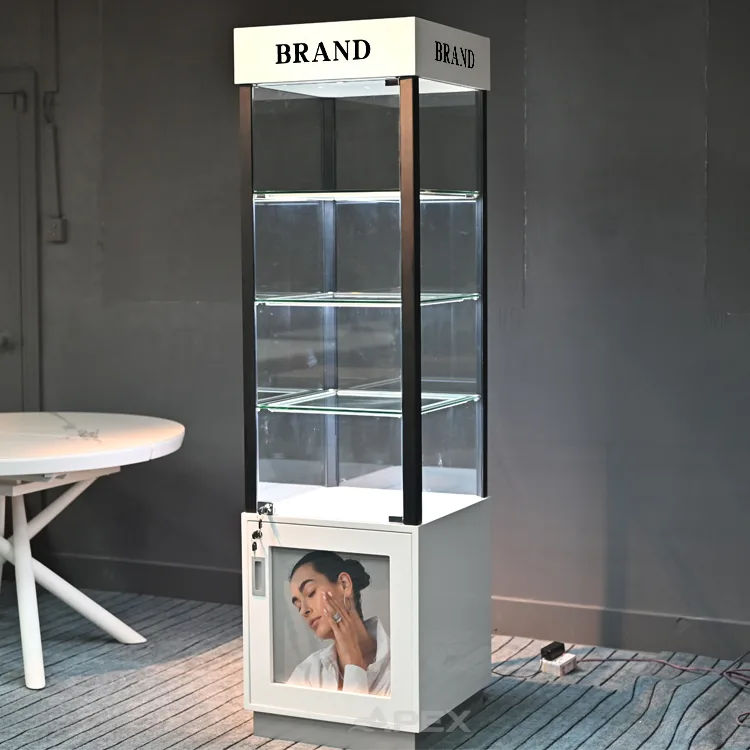
When designing a display stand, the material you choose can make or break your brand’s impact. Whether it’s a sleek product showcase for a boutique or a sturdy booth for a trade show, the right material aligns with your goals, budget, and audience. But with options like wood, acrylic, and metal, how do you decide? Let’s break down each material’s strengths, weaknesses, and ideal scenarios to help you make an informed choice.
Wooden Display Stands
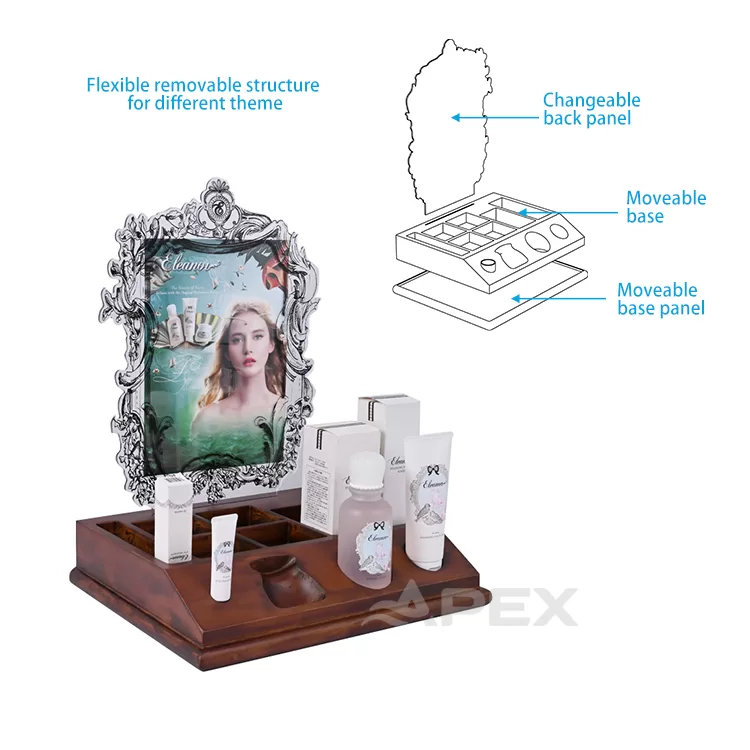
Wood brings warmth and authenticity to displays, making it a favorite for brands emphasizing sustainability or craftsmanship.
Strengths:
- Eco-Friendly Appeal: Reclaimed wood or FSC-certified options attract eco-conscious shoppers.
- Custom Carving: Easily engraved with logos or textures for a personalized touch.
- Cost-Effective: Initial costs are lower than acrylic or metal, especially for temporary setups.
Weaknesses:
- Maintenance Hassles: Requires regular sealing (annually or bi-annually, depending on humidity) to prevent warping and, in some cases, insect damage.
- Fire Risks: Many venues ban untreated wood in crowded spaces due to safety regulations.
- Weight Limitations: Unsuitable for multi-tiered displays or frequent relocation.
When to Choose Wood:
- Pop-up shops for artisanal products.
- Brands with a “green” brand identity.
- Temporary indoor displays (e.g., seasonal promotions).
Acrylic Display Stands
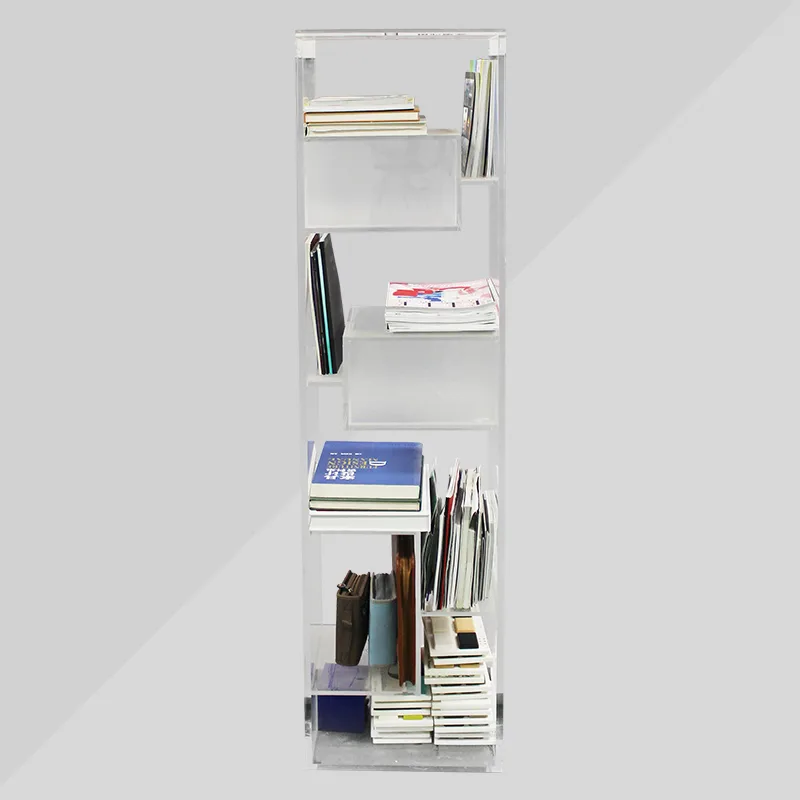
Acrylic’s crystal-clear finish and lightweight properties make it a go-to for high-end retail and exhibitions.
Strengths:
- Premium Aesthetics: Mimics glass but weighs 50% less—ideal for hanging displays.
- Durability: Resists shattering; UV-resistant grades prevent yellowing.
- Easy Cleaning: A microfiber cloth keeps it spotless (unlike porous wood).
Weaknesses:
- Scratch-Prone: Requires careful handling during setup.
- Environmental Impact: Most acrylic isn’t recyclable, conflicting with sustainability goals.
- Cost: High-quality cast acrylic can cost $100+ per square foot.
When to Choose Acrylic:
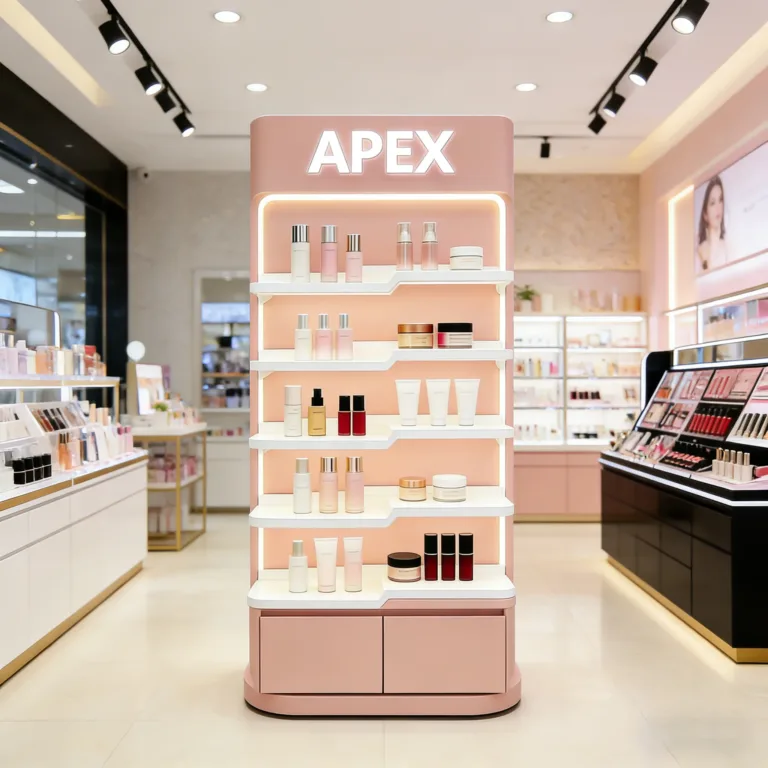
- Jewelry or cosmetics displays (e.g., Sephora’s lighted acrylic shelves)
- Trade shows requiring easy transport
- Displays needing backlighting or embedded LEDs
Metal Display Stands
Metal stands excel in durability and flexibility, perfect for high-traffic environments.
Strengths:
- Longevity: Powder-coated steel withstands decades of use.
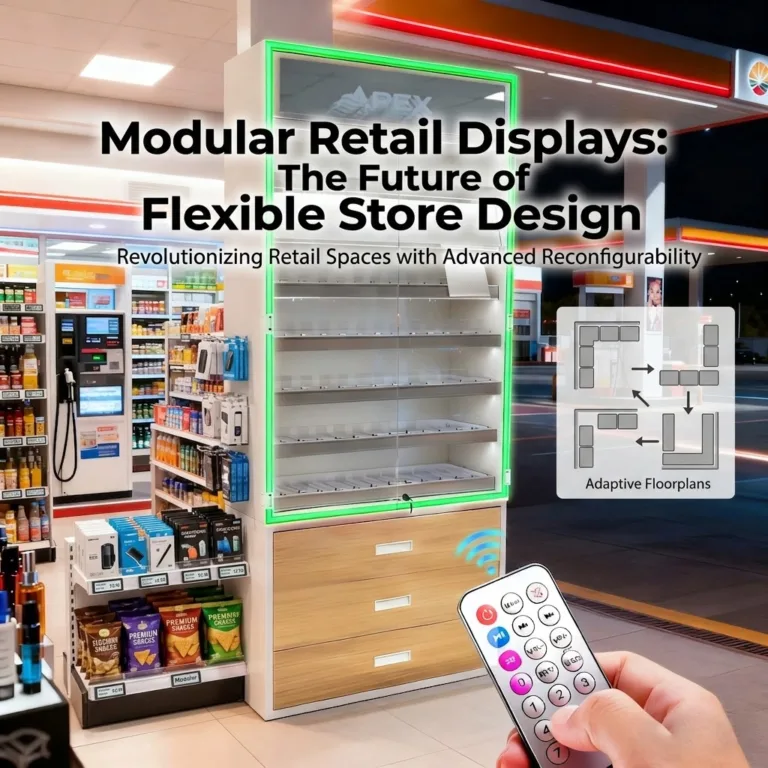
- Modularity: Magnetic panels or slotted systems allow quick redesigns.
- Safety: Non-flammable and meets strict venue codes.
Weaknesses:
- Upfront Cost: Custom steel fabrication can be pricey.
- Weight: Challenging for frequent transport.
- Aesthetic Limits: May clash with warm or organic brand styles.
When to Choose Metal:
- Airport kiosks or outdoor exhibits
- Retail stores with heavy products (e.g., tech gadgets)
- Brands targeting an industrial or minimalist aesthetic

Comprehensive Comparison of Different Materials for Display Stands
When choosing materials for display stands, understanding their strengths and weaknesses is crucial. Let’s break it down by durability, cost-effectiveness, and aesthetic appeal to help you make an informed decision.
| Material | Durability | Cost-Effectiveness | Aesthetic Appeal | Maintenance Requirements |
|---|---|---|---|---|
| Metal | Strong, long service life | High cost, but worth it for durability | Minimalist, industrial | Low maintenance; occasional wiping/polish |
| Wood | Sturdy, but prone to moisture/pests | Expensive due to natural texture | Warm, natural charm | Moderate; dusting, polishing, and sealing |
| Acrylic | Moderately durable, scratches easily | Higher cost, premium look | Sleek, modern, excellent clarity | Low maintenance; avoid abrasive cleaners |
| Glass | Fragile | Moderate cost, elegant but delicate | Elegant, transparent | High; frequent cleaning for smudges/dust |
| Plastic | Varies; generally durable | Affordable, versatile | Functional, less visually appealing | Low maintenance; easy to clean |
| Cardboard | Least durable, short lifespan | Cheapest, great for temporary displays | Functional, lacks visual appeal | Minimal; occasional dusting |
Choosing the right material for your display stand can feel like a balancing act. By focusing on your priorities, intended use, and budget, you can narrow down the best display stand options for your needs.
Assess Your Priorities
What matters most to you? Is it durability, cost-effectiveness, aesthetics, or portability? Each factor plays a role in determining the ideal material for your display. For example, if you need a lightweight option for frequent transport, acrylic sign holders might be your best bet. They’re easy to carry and offer a sleek, modern look. On the other hand, if durability tops your list, metal stands provide unmatched strength and longevity, especially for heavy-duty applications.
Aesthetic appeal is another key consideration. Wood offers a warm, natural charm, while acrylic provides a clean, contemporary vibe. If cost is a concern, materials like cardboard or plastic may suit temporary displays. By identifying your top priorities, you’ll have a clearer idea of which sign holder materials align with your goals.
Consider the Intended Use
Where and how you plan to use your display stand matters. Indoor displays often use lightweight materials like wood or glass, which don’t need to withstand harsh conditions. Outdoor displays, however, require heavy-duty materials like steel or aluminum to resist wind, rain, and heat.
Temporary setups, such as trade shows, benefit from portable and easy-to-assemble options like acrylic or cardboard. Permanent displays, like those in retail stores, often use wood or metal for their durability and timeless appeal. Matching the material to the environment ensures your display stands the test of time.
Budget
Your budget plays a big role in material selection. While metal and wood offer durability and style, they often come with a higher price tag. Acrylic strikes a balance between cost and aesthetics, making it a popular choice for mid-range budgets. For eco-conscious businesses, materials like reclaimed wood or bamboo provide a sustainable option without compromising on quality.
When allocating your budget, remember to balance cost with quality and longevity. Investing in durable materials may save you money in the long run by reducing the need for frequent replacements. Avoid common mistakes like choosing inappropriate materials for your display’s purpose, as this can lead to wasted resources and poor customer experiences.
Evaluate Environmental Impact
If sustainability matters to you, choosing eco-friendly materials for your display stands is a smart move. Many businesses today are shifting toward greener practices, and you can do the same by selecting materials that are kind to the planet.
Start by looking for materials that are renewable or recyclable. For example, bamboo is a fantastic option. It grows quickly and doesn’t require harmful chemicals to thrive. Reclaimed wood is another excellent choice. It gives your display a rustic charm while reducing waste. If you’re considering acrylic sign holders, check if they’re made from recycled acrylic. This way, you can enjoy the sleek look of acrylic while minimizing its environmental impact.
You should also think about the lifespan of your display. Durable materials like metal or treated wood last longer, which means fewer replacements and less waste. Even though these options might cost more upfront, they save resources in the long run. Cardboard, on the other hand, is biodegradable and great for temporary displays. However, it’s not ideal for long-term use.
By choosing sustainable materials, you’re not just helping the environment. You’re also showing your customers that you care about the planet. This can boost your brand image and attract eco-conscious shoppers. When learning how to select the right material for display stand, always weigh the environmental impact alongside other factors like cost and durability.
Conclusion
Choosing the right material for your display stand is a critical decision that can significantly impact your brand’s image, functionality, and budget. Whether you prioritize durability, cost-effectiveness, aesthetics, or sustainability, each material—be it wood, acrylic, metal, glass, plastic, or cardboard—offers unique advantages and challenges. By assessing your priorities, intended use, budget, and environmental impact, you can select the perfect material to create a display that not only showcases your products effectively but also aligns with your brand’s values and goals.
Ready to elevate your brand’s presence with a display stand that truly stands out? Contact ApexDisplay by apex@aapex.cn today! Our team of experts is here to help you design and customize the perfect display solution that meets your unique requirements.