Acrylic display cases have become an essential solution in many industries because of their clarity, durability, and versatility. Unlike glass, acrylic offers lighter weight and higher impact resistance, making it safer and easier to handle. These advantages make acrylic a preferred choice for retail stores, museums, collectors, and electronics displays.
However, designing the right acrylic display case requires more than just choosing a clear material. Each application has unique needs, and understanding these differences ensures that products, artifacts, and personal treasures are presented in the best way possible. Below is a practical design guide to help you choose or customize the right display solution.
Retail Stores: Driving Sales with Visibility and Accessibility
In retail environments, acrylic display cases are more than protective boxes—they are powerful sales tools. Their primary purpose is to attract customer attention while keeping products safe and easy to view.
Clarity Comes First
High transparency is critical for supermarket display cases. Cast acrylic with up to 92% light transmission ensures merchandise looks bright, colorful, and true to life. This clarity makes jewelry sparkle, cosmetics appear vibrant, and electronics look premium. Low-quality acrylic should be avoided, as it may have a tinted finish that reduces the appeal of products.
Choosing the Right Size and Layout
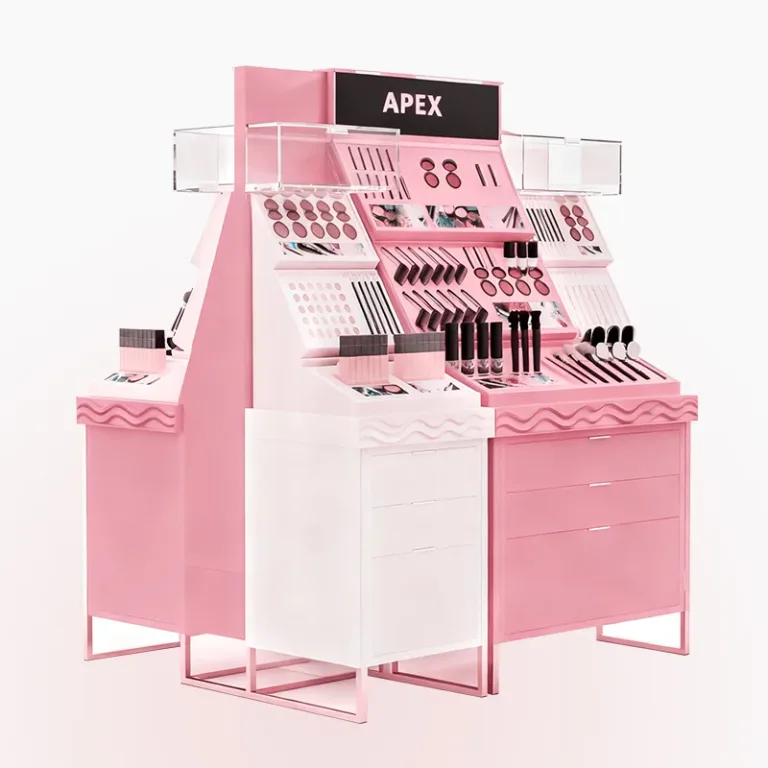
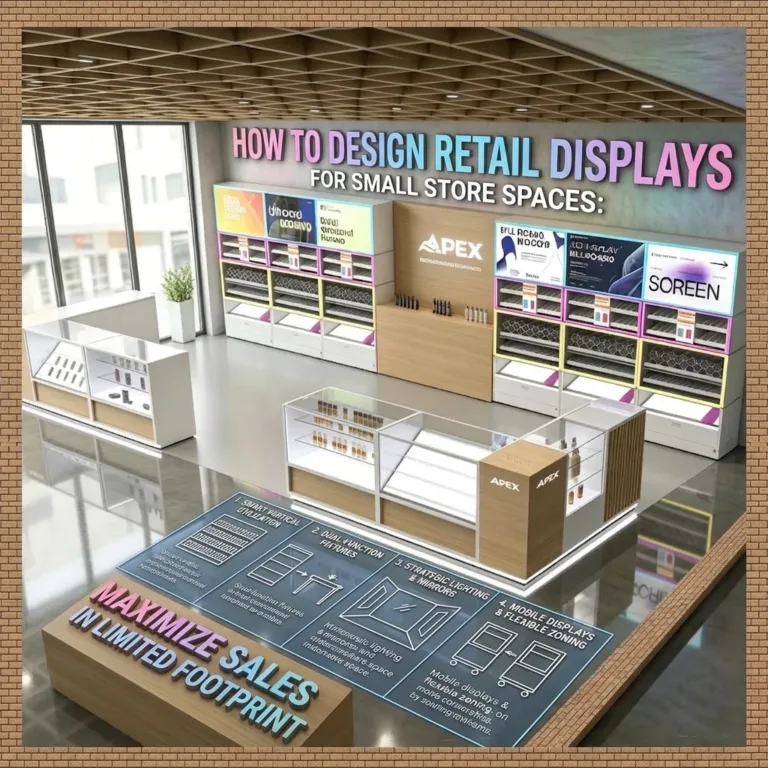
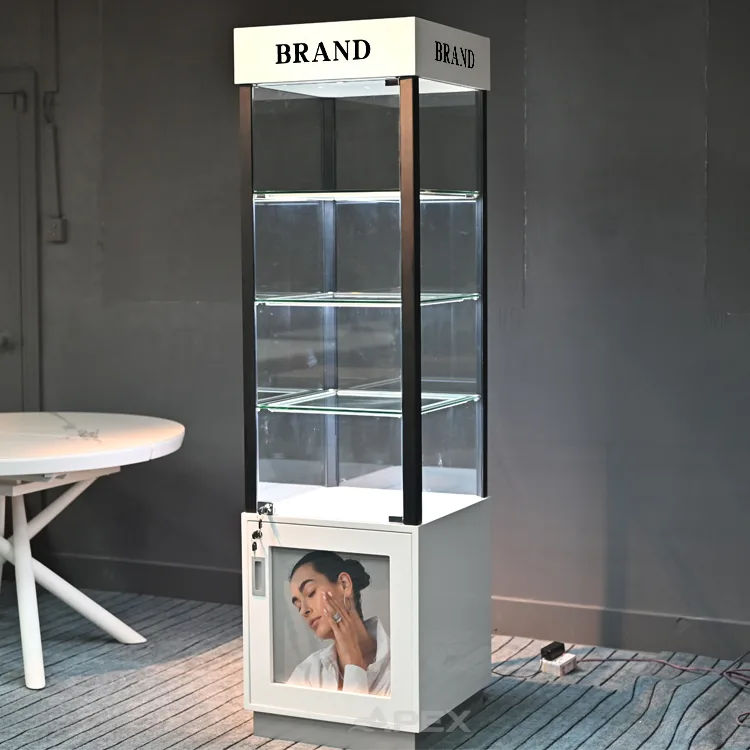
The size and layout of a retail acrylic display depend on the type of product. Countertop displays with shallow compartments work best for small items like watches or cosmetics, allowing close inspection without hiding items at the back. For larger products such as handbags or shoes, freestanding cases with tiered shelves help maximize visibility while maintaining an organized look.
Balancing Accessibility and Security
Retailers also need to consider accessibility. Features such as sliding doors, removable tops, or flip-up fronts allow staff to restock easily and customers to interact with items where appropriate. For luxury goods, cases should include secure locks, providing protection without reducing the shopping experience.
Lighting for Maximum Impact
Integrated LED lighting dramatically enhances the appeal of retail displays. LED strips installed along the edges or shelves highlight details, create depth, and attract customer attention. For example, jewelry displayed under LED lighting appears more brilliant, increasing its perceived value and driving sales.

Museums: Preserving and Showcasing Artifacts
Museum acrylic display cases serve a dual role: protecting artifacts for future generations and presenting them in a way that engages visitors. This balance requires careful design.
Material Quality and UV Protection
Museum displays require UV-resistant acrylic to prevent fading of sensitive artifacts like textiles and photographs. UV-filtering acrylic can block up to 99% of harmful rays, ensuring long-term preservation. Additionally, the material must be chemically stable so that it does not release substances that could damage delicate items over time.
Sealing and Environmental Control
Humidity and temperature are crucial for artifact preservation. Acrylic cases with hermetic seals help regulate internal conditions, keeping humidity within safe ranges, often between 40–60% for items like manuscripts or leather. Some advanced cases may also integrate climate control systems to ensure consistency.
Visibility and Viewing Angles
A well-designed museum case enhances visitor experience. Clear sides and sloped fronts allow viewing from multiple angles, while anti-glare acrylic reduces reflection and eye strain. These features let audiences focus fully on the exhibits without distraction.
Security Considerations
Because museum pieces are irreplaceable, cases should include tamper-proof locks, reinforced acrylic, and in some regions, even earthquake-resistant structures. These measures ensure both public access and long-term safety.
Collectibles: Showcasing Personal Treasures
Collectors value both protection and aesthetics when displaying their treasures. Acrylic display cases are popular because they can be tailored to match personal style while keeping items dust-free and secure.
Custom Sizing and Fit
Collectibles come in all shapes and sizes, from action figures and sports memorabilia to vinyl records and coins. Custom acrylic display design ensures each piece has a case that fits snugly and prevents movement or damage. Dividers and compartments can also be added for organization.
Orientation and Presentation
The orientation of a display plays an important role in how items are viewed. Upright cases highlight figurines and statues, while flat displays are better for coins and stamps. Rotating bases add an interactive element, allowing viewers to appreciate items from every angle.
Aesthetic Customization
Acrylic is easy to personalize. Collectors can add printed backgrounds, themed bases, or unique engravings to create a display that matches the character of the collection. For example, a Star Wars figure could be paired with a case featuring themed artwork, making the display both protective and visually striking.
Protection from Dust and UV Rays
Dust and sunlight are common threats to collectibles. Well-sealed acrylic display cases prevent dust buildup, while UV-resistant acrylic ensures colors and details stay vibrant over time.
Electronics Display: Functional Design for Protection and Interaction
For electronics such as smartphones, tablets, and gaming consoles, acrylic cases provide both protection and presentation. Whether used in retail stores or exhibitions, these cases must combine durability with user-friendly design.
Durability in High-Traffic Areas
Electronics often face constant handling and heavy foot traffic. Acrylic with a thickness of 3–5mm is ideal, providing enough strength to resist bumps while maintaining clear visibility.
Interactive Features
Customers often want to test devices before purchasing. Electronics acrylic display cases can include cutouts or openings for buttons, ports, and touchscreens, enabling interaction without removing the device from the case. This design keeps devices safe while allowing hands-on experience.

Cable Management
Neat presentation is crucial in electronic displays. Built-in channels or discreet holes allow cables to be hidden, keeping the setup professional and free from clutter. This not only improves safety but also ensures the focus remains on the products.
Branding and Marketing Integration
Acrylic cases can also be used as marketing tools. Laser engraving, logo placement, or printed decals integrate brand identity directly into the case design. This approach reinforces recognition and enhances the overall customer experience.
Conclusion
Designing acrylic display cases for different applications requires a clear understanding of each industry’s needs. Retailers focus on visibility and sales, museums emphasize preservation and security, collectors want customization, and electronics displays demand durability and interaction.
By paying attention to clarity, material quality, accessibility, environmental control, and customization, you can create acrylic display cases that not only protect items but also elevate their value. A well-designed case transforms ordinary displays into powerful presentation tools, whether for business, exhibitions, or personal collections.
If you are looking for high-quality solutions tailored to your needs, APEX, a professional acrylic display manufacturer, offers custom designs that combine durability, clarity, and style for a wide range of applications.