Choosing the right supermarket display stand is not just about placing products on shelves. In today’s competitive retail environment, display stands play a critical role in store layout planning, customer flow management, and sales performance. A well-designed display stand helps shoppers find products easily, improves visibility, and supports impulse purchases, while a poor choice can make even a well-stocked store feel crowded and confusing. Understanding how to select the right solution for your specific layout is therefore essential.
Why Store Layout Matters When Choosing a Supermarket Display Stand
To begin with, store layout determines how customers move, where they pause, and which products they notice first. Supermarket display stands are a core part of this system. They shape aisles, define promotional zones, and influence how long shoppers stay in certain areas. As a result, selecting display stands without considering layout often leads to wasted space or missed sales opportunities. With this in mind, the first step is to evaluate how your store is organized and what role each display stand needs to play.
Start by Assessing Your Store Layout and Needs
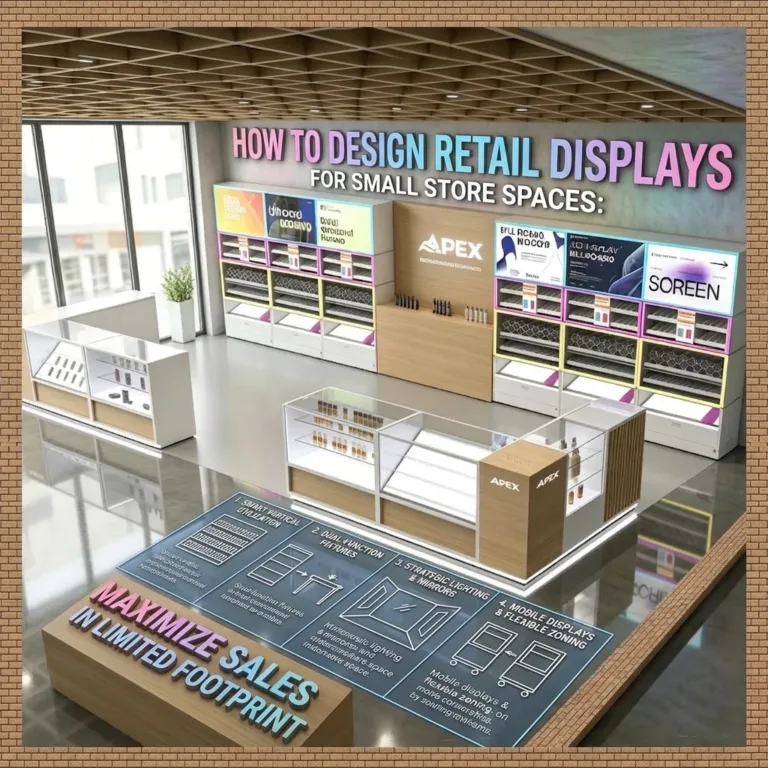
Before selecting any supermarket display stand, it is important to assess the physical and operational realities of your store. Floor size, aisle width, and ceiling height all affect which display stands will work effectively. For example, stores with limited floor space benefit from vertical shelving and wall-mounted display racks, while larger stores can accommodate wider gondola systems and island units.
At the same time, understanding customer flow is equally important. High-traffic paths require sturdy, easy-to-access supermarket display stands that do not block movement. In contrast, low-traffic zones may need eye-catching designs to draw shoppers in. Product mix also matters. Fast-moving consumer goods need display stands that allow quick restocking, while seasonal or promotional items require flexible solutions that can be adjusted or relocated easily.
Match Display Stand Types to Layout Functions
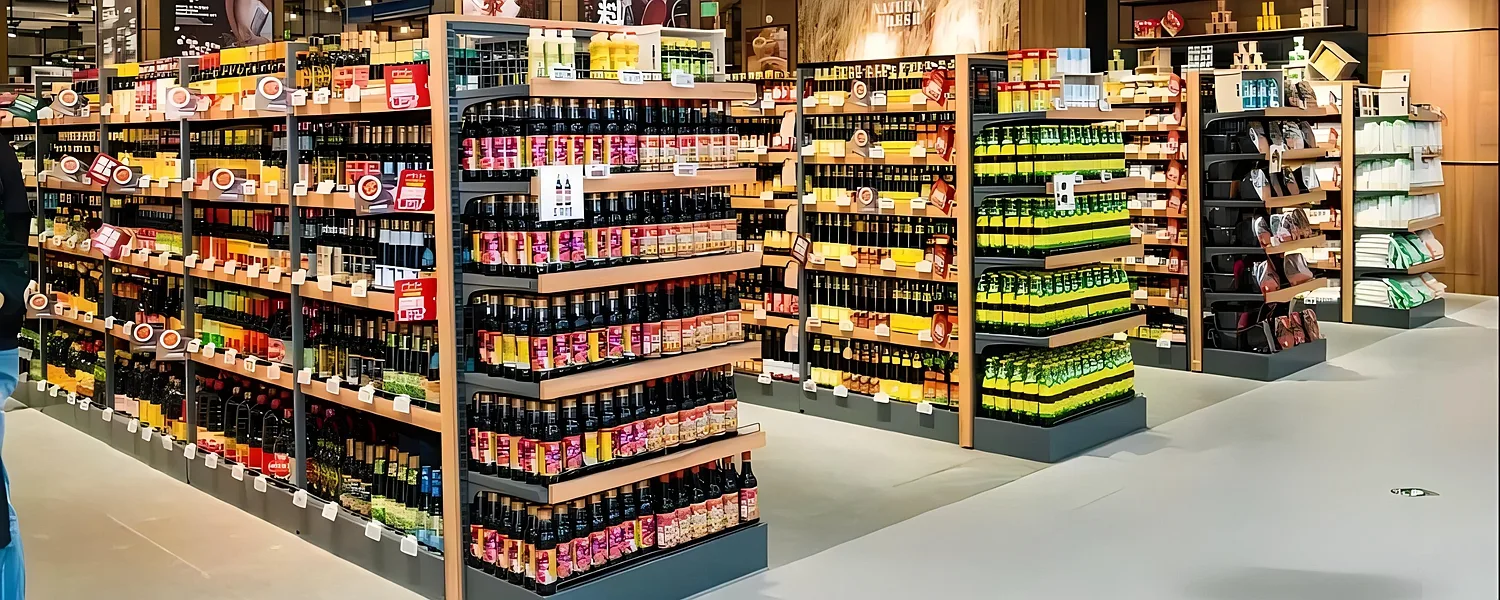
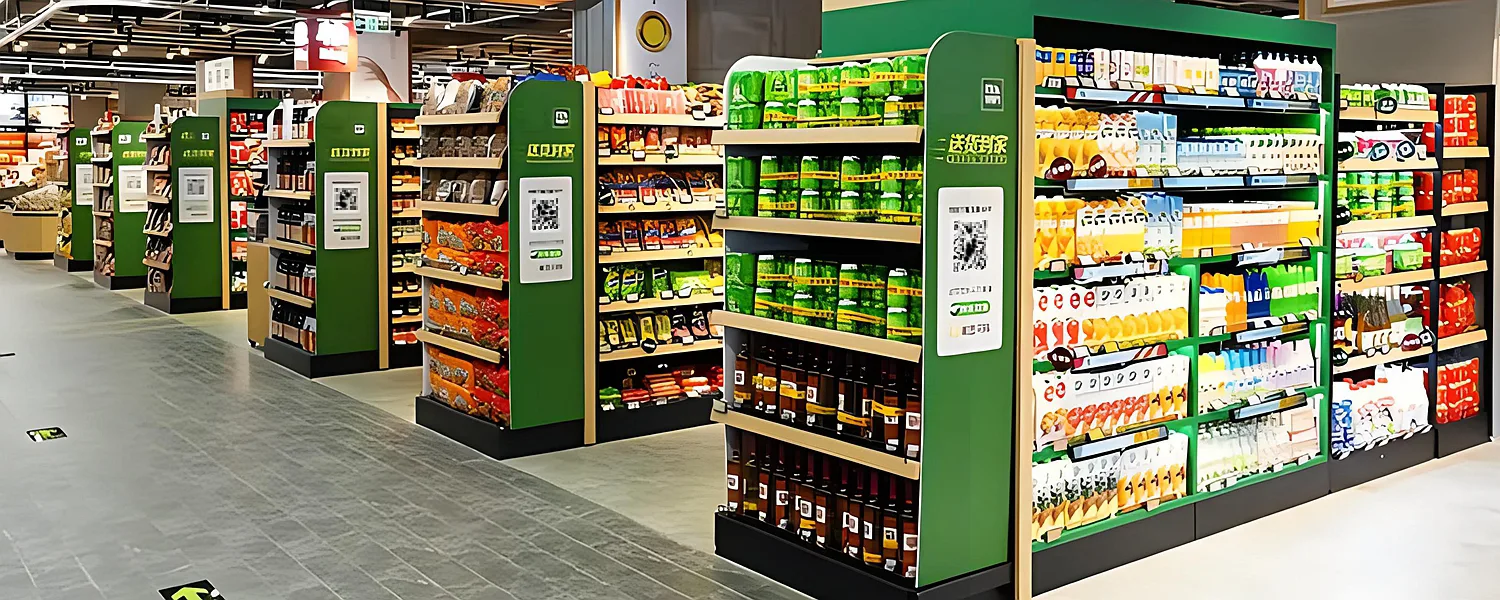
Once layout needs are clear, the next step is to choose the right type of supermarket display stand for each area. For aisle organization, gondola shelving remains one of the most widely used solutions. Its modular structure allows retailers to adjust shelf height and spacing, making it suitable for a wide range of products. Wall-mounted display stands are also effective for maximizing vertical space while keeping aisles open and uncluttered.
For promotional zones, end cap display stands and freestanding island units are particularly effective. Positioned at aisle ends or central locations, these supermarket display stands attract attention and encourage impulse buying. Meanwhile, front-of-store displays and power walls are ideal for showcasing new arrivals or reinforcing brand identity. In these areas, display stands must balance visual impact with durability, as they are often exposed to heavy traffic.
When Standard Display Stands Are Not Enough
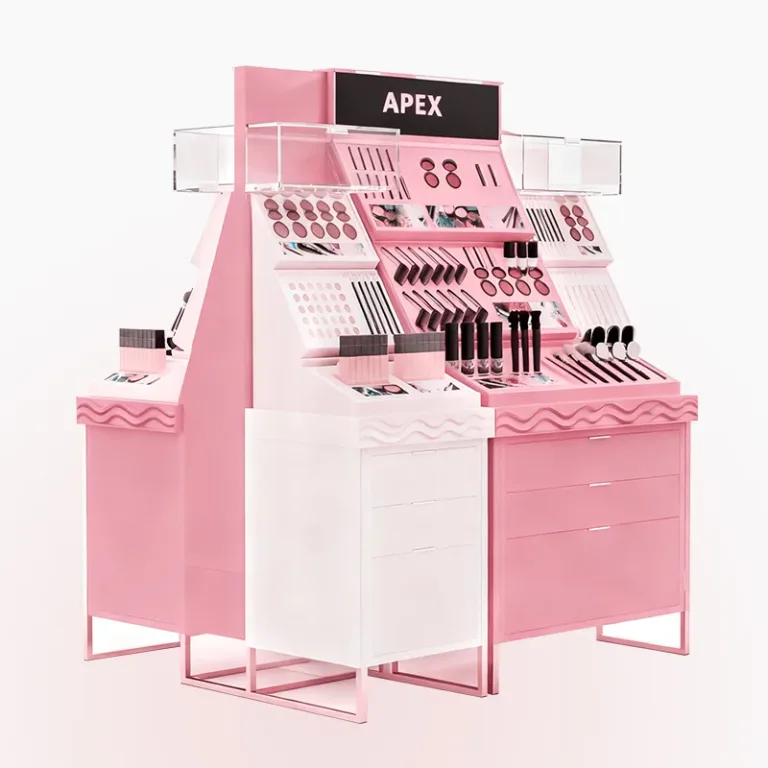
Although standard supermarket display stands work well in many situations, they are not always the best solution. Stores with irregular layouts, unique product dimensions, or frequent layout changes often benefit from custom supermarket display stands. Custom solutions allow retailers to make full use of available space while maintaining a consistent look across the store.
In addition, custom display stands can be designed to support specific merchandising strategies, such as cross-merchandising or seasonal campaigns. By tailoring size, structure, and finish to actual store conditions, retailers can improve both functionality and visual appeal. This is where working with an experienced supermarket display stand manufacturer becomes especially valuable.
Consider Materials, Structure, and Durability
Beyond layout and design, materials and structural quality are critical factors. Supermarkets are high-traffic environments, so display stands must be strong, stable, and safe. Metal supermarket display stands are commonly used because they offer excellent load-bearing capacity and long-term durability. In premium or specialty zones, wood or mixed-material display stands can add warmth and visual interest, provided they are properly reinforced.
Equally important is load capacity. Display stands must support product weight without bending or instability, especially in busy aisles. From a long-term perspective, investing in durable supermarket display stands reduces maintenance costs and replacement frequency, delivering better return on investment over time.
Evaluate the Right Supermarket Display Stand Manufacturer
Selecting the right product is only part of the process. Choosing the right supermarket display stand manufacturer is just as important. A reliable manufacturer should offer strong design and engineering capabilities, allowing them to create display stands that fit your layout and product requirements. Manufacturing quality also matters. Consistent materials, precise fabrication, and thorough quality inspections ensure that display stands perform well in real retail environments.
In addition, production capacity and project management experience are essential for supermarkets with multiple locations or large-scale rollouts. An experienced supermarket display stand manufacturer can manage timelines, ensure consistent quality, and provide support throughout the project lifecycle. Export experience and after-sales service are further indicators of a dependable long-term partner.
Plan for Future Layout Changes
Looking ahead, supermarkets must remain flexible to adapt to changing consumer behavior and product trends. Modular and scalable supermarket display stands make it easier to update layouts, introduce new categories, or refresh promotional areas. By choosing display stands that can be reconfigured or expanded, retailers can protect their investment and keep stores looking current without major renovations.
Conclusion: Align Display Stand Choice with Layout and Growth Strategy
In conclusion, choosing the right supermarket display stand is a strategic decision that goes far beyond appearance. By carefully assessing store layout, matching display stand types to specific functions, and prioritizing durability and flexibility, retailers can create a more efficient and engaging shopping environment. Working with a professional supermarket display stand manufacturer further ensures that solutions are practical, consistent, and built for long-term use.
At APEX, we are a professional supermarket display stand manufacturer with extensive experience in custom and standard display solutions. From layout analysis to design and production, we help retailers create display stands that improve space efficiency, product visibility, and overall store performance. Contact APEX today to discuss your supermarket display stand requirements and start building a more effective retail layout.