Running a small retail shop means dealing with a tough reality every day. Rents keep climbing while your usable floor space stays exactly the same. When you fill a small shop with bulky racks or bad layouts, you end up with crowded aisles that frustrate customers and send them straight out the door without buying anything.
Fixing this is less about interior decoration and more about practical spatial planning. Choosing versatile multi material displays, using wall space effectively, and keeping visual corridors open turns a tight store layout into a smooth and profitable shopping experience.
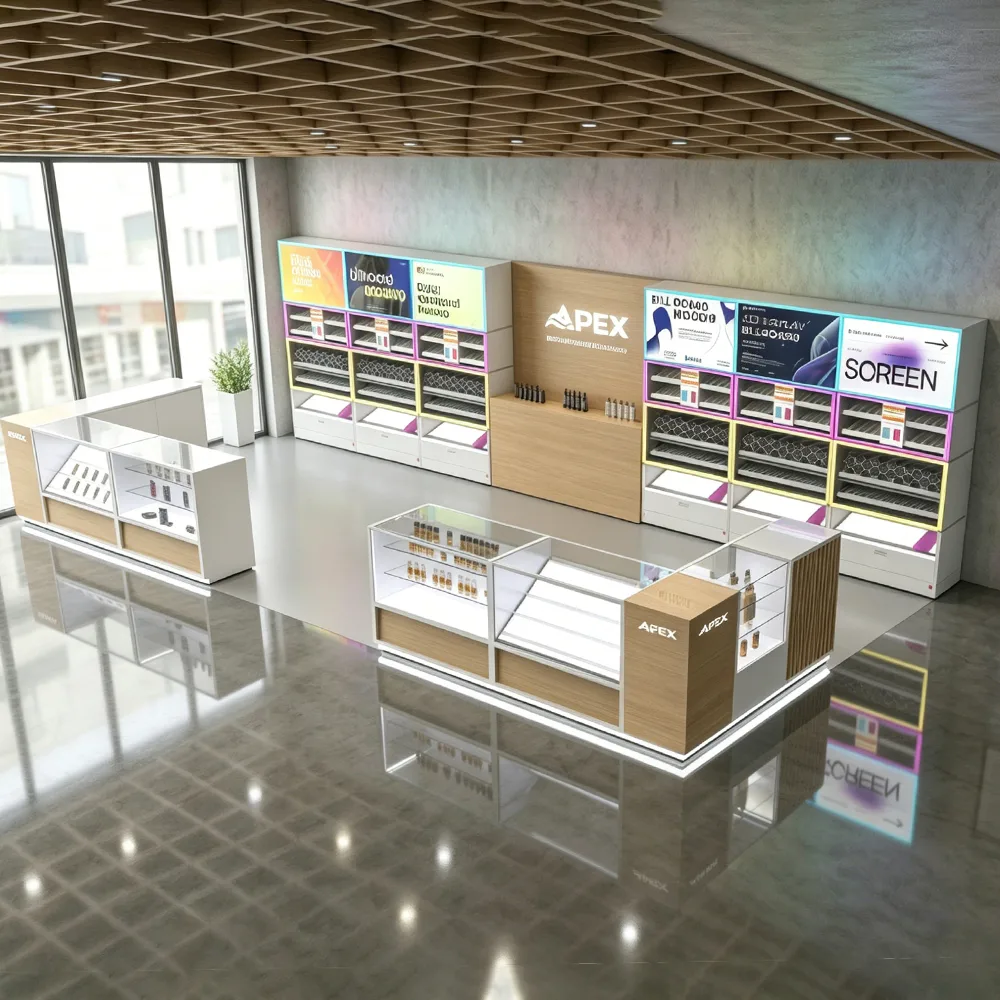
Why Does Strategic Retail Display Design Matter for Small Spaces?
Store profitability boils down to how well every square foot works for you. Off the shelf shelving units often waste valuable floor area while leaving higher visual space completely empty. Custom engineered displays change that by aligning product placement directly with how people naturally walk and look around a store.
Once you understand how spatial design drives store sales, you can start shaping how customers move through your space.
How Small Display Footprints Impact Customer Dwelling Time
When items sit right in a customer’s natural line of sight, browsing feels easy. Compact store layouts need to show plenty of inventory without making the shop feel stuffed. Streamlined display units keep walkways open, giving shoppers enough personal space to slow down, look around, and stay longer.
Turning Floor Space into High Yield Revenue Zones
Getting higher sales from a small layout means making full use of every linear inch you have. The following layout choices directly boost floor productivity:
- Clear sightlines keep high margin products visible from the moment someone walks in.
- Cascading display heights draw foot traffic naturally toward the back of the store.
- Slim profile frames maintain comfortable aisle widths while holding plenty of merchandise.
How to Plan Traffic Flow and Sightlines in a Compact Retail Layout?
People move through retail stores in very predictable ways. By placing your display fixtures intentionally, you can create a smooth path that guides shoppers across your entire product range without forcing it.
After settling on a clear traffic pattern, picking display units with high spatial efficiency is the next logical step.
Utilizing the “Right Hand Rule” to Guide Customer Navigation
Most shoppers naturally turn right as soon as they step inside a shop. Setting up a dedicated key feature showcase along that right hand wall grabs attention immediately and gets people moving deeper into the store.
Maintaining Clear Sightlines to Prevent Visual Overcrowding
Keeping open sightlines across the center floor stops a compact boutique from feeling cluttered. A great rule of thumb is to keep display heights low near the front door, mid level in the center, and tall along the back walls. Clear optical grade acrylic and thin metal frames work well here because they hold products securely without blocking the view across the shop.
How to Select the Right Display Fixtures for Max Floor Efficiency?
The right hardware lets you showcase a rich product selection while keeping your store clean and organized.
Beside picking the right fixture sizes, subtle choices in lighting and color also play a massive role in making a small space feel open.
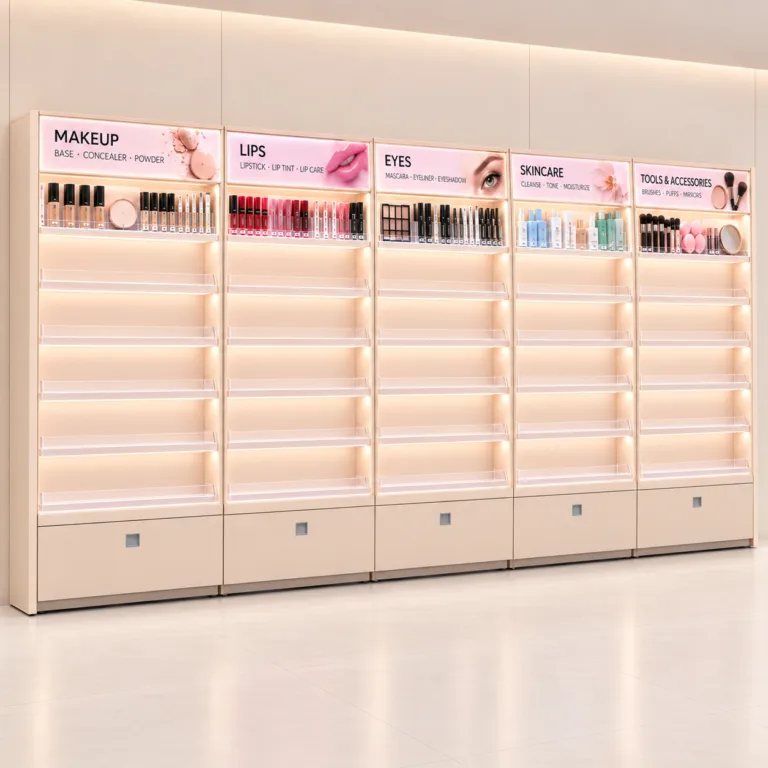
Maximizing Vertical Space with Wall Mounted Shelving and Slatwalls
When you run out of floor area, the only way to go is up. Wall mounted channels, gridwalls, and custom slatwall units turn plain walls into active sales zones. Product lines that need neat organization, like an Eyeglasses Display Stand array or a structured Supermarket Display Stand setup, get maximum exposure when you lift them off the floor.
Choosing Modular and Reconfigurable Display Units for Easy Seasonal Swaps
Retail inventories shift with the seasons, so your displays need to adapt just as fast. Fixed wooden cabinetry locks you into rigid setups that quickly become inconvenient. Modular racks with adjustable shelf brackets, magnetic graphic holders, and movable hooks make product swaps fast and affordable without requiring brand new furniture.
Incorporating Multi Functional Furniture and Nesting Tables
Nesting tables and tiered risers give you flexible surface area exactly when you need it. During big promotions, you can pull the lower tables out to create layered product displays. When things quiet down, secondary tiers slide right back under the main table to free up walking room.
How Does Lighting and Color Design Enhance Space Perception?
Lighting and color choices heavily influence how spacious your shop feels to a customer.
Good lighting expands a room, but picking low quality or ill fitting hardware can still cause costly headaches down the road.
Eliminating Dark Corners with Layered LED Accent Lighting
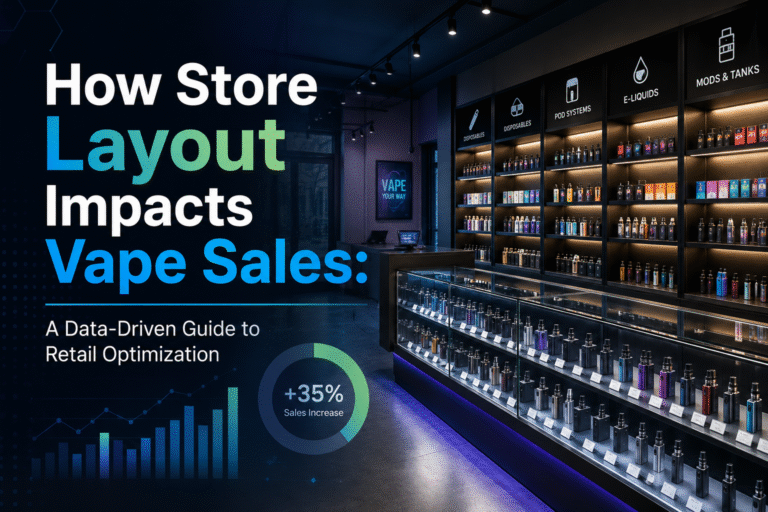
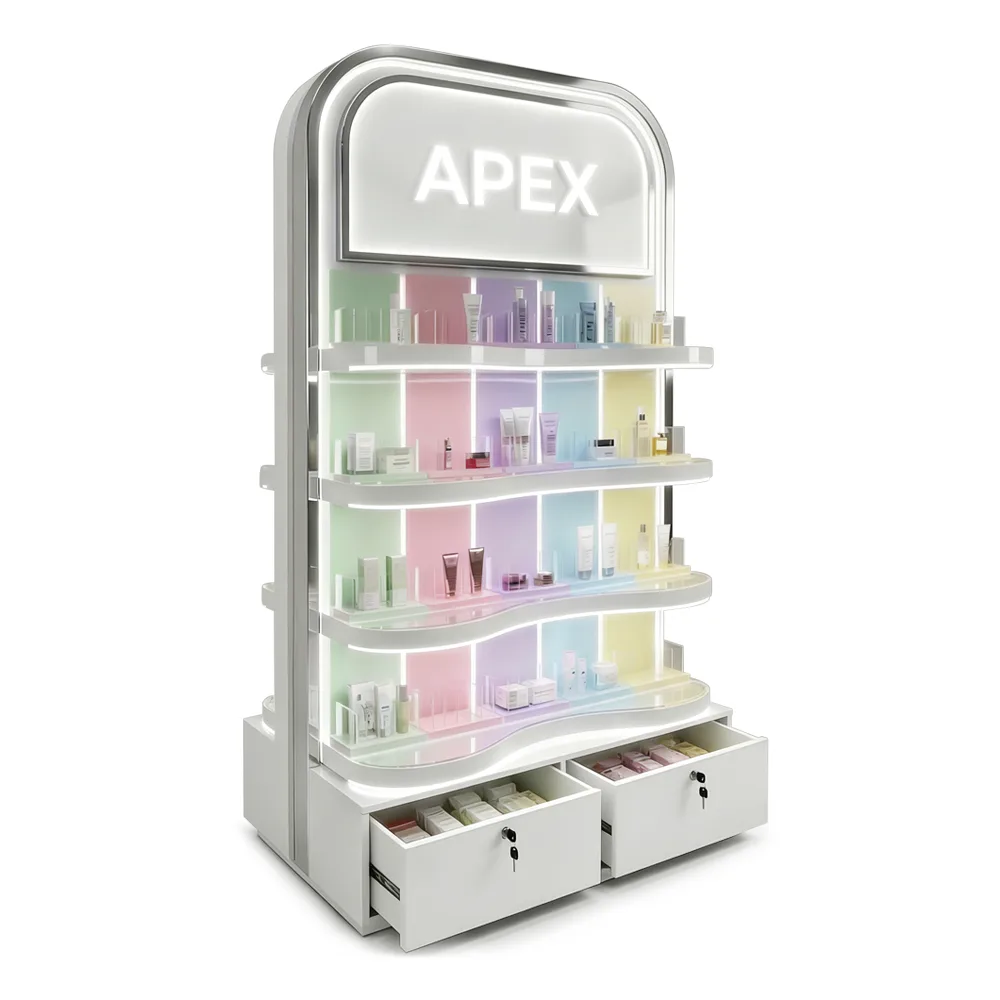
Dark corners make a shop look smaller and turn good display spots into forgotten zones. Adding low voltage LED strip lighting under shelves adds depth and draws eyes straight to the merchandise. For detailed items like a Vape Display case, internal lighting brings out packaging details and gives products a premium look.
Using Neutral Color Palettes and Glass Fixtures to Create Airiness
Color affects how we judge physical space. Heavy dark display units absorb light and make room interiors feel tight. Neutral backdrops paired with clear acrylic display shelves bounce light around evenly, creating an open atmosphere without sacrificing fixture strength.
What Mistakes Should You Avoid When Choosing Retail Displays for Limited Footprint?
It is easy to buy store fixtures based only on upfront cost or appearance. But ignoring load capacities or daily wear leads to sagging shelves and early replacement costs later on.
| Fixture Parameter | Standard Commercial Display | Engineered High Efficiency Display |
| Structural Material | Single material wood or basic sheet metal | Multi material build with steel acrylic and integrated LED |
| Layout Flexibility | Fixed shelf positions with permanent joints | Modular slot rails adjustable brackets and removable hooks |
| Maintenance Needs | Requires frequent surface repairs or repainting | Scratch resistant powder coatings and easy clean acrylic surfaces |
To build a durable shop setup, you need an experienced manufacturing partner who knows custom fabrication inside out.
Pitfall 1: Overlooking Load Bearing Specifications for Heavy Inventory
Buying flimsy racks to save space often backfires when shelves bow under weight. Always check shelf weight ratings to make sure your displays can safely support dense stock like bottled liquids, glass containers, or heavy electronics.
Pitfall 2: Choosing Bulky Permanent Structures Over Adaptable Modular Frames
Installing heavy permanent cabinets limits what you can do when your product lines change. Choosing modular metal frameworks over fixed wooden cabinetry guarantees that you can reorganize your store layout whenever you want.
Pitfall 3: Ignoring Long Term Maintenance and Material Durability
Small shops see a lot of foot traffic, which means constant bumps, finger marks, and cleaning. Tough surface finishes like powder coated steel, electroplated metal, or scratch resistant acrylic stay looking fresh for years despite heavy daily use.
Partnering with Experienced Retail Fixture Manufacturers
Building an efficient store layout requires a fabrication partner who understands multi material engineering. Founded in 2005, Shenzhen Apex Store Solutions CO., LTD. (APEX) operates a 20,000 square meter facility across Shenzhen and Huizhou, powered by 200 skilled workers and over 200 advanced production machines.
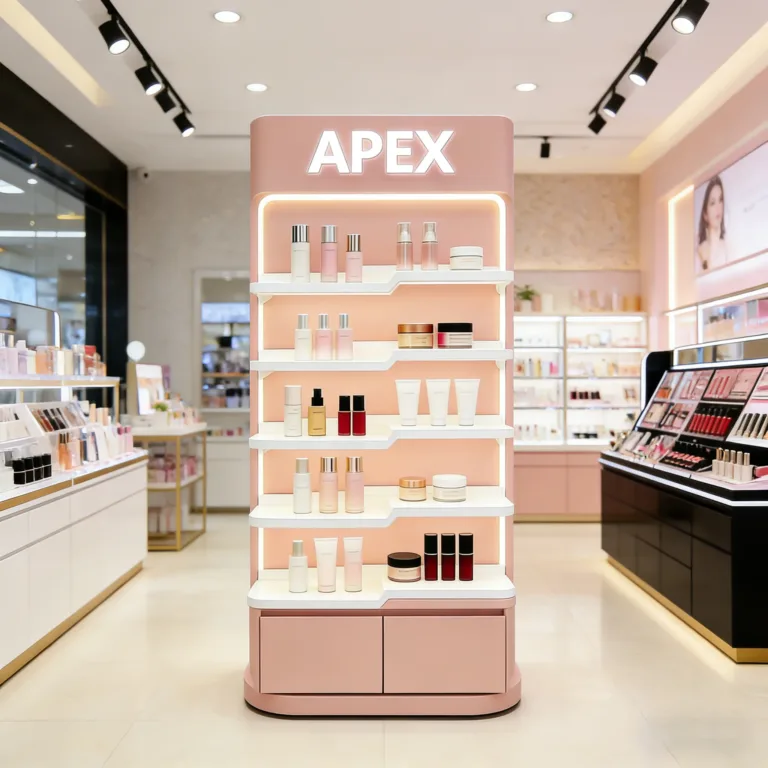
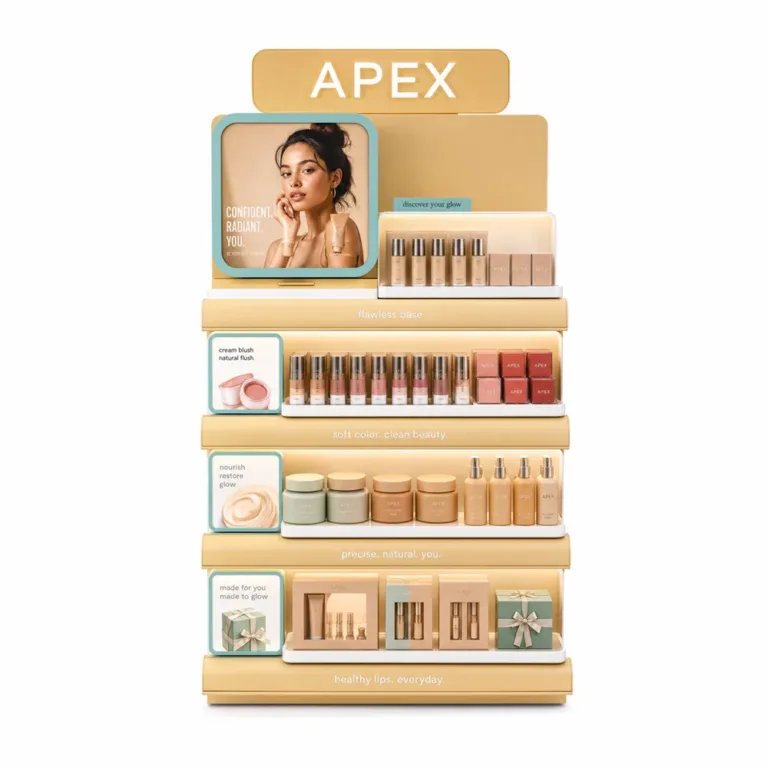
APEX creates custom retail fixtures combining metal, wood, acrylic, and integrated LED lighting systems. Whether you need a specialized Cosmetic Display Stand, a tailored Nail Polish Display, an illuminated Vape Display Case, a compact Gas Station Vape Display, or a full Custom Display Rack roll out, APEX handles everything from 3D prototyping to global shipping. Backed by ISO9001, SEDEX, CE, and UL certifications, APEX provides reliable turnkey manufacturing for retail brands worldwide.
Frequently Asked Questions (FAQ)
Q1: What factors affect the total manufacturing price of custom display stands?
Manufacturing costs for custom retail displays depend on material choices, structural detail, built in LED lighting, and total order volume. Combining materials like steel reinforced frames with polished acrylic takes more initial tooling work, but it cuts down long term maintenance expenses. For accurate pricing based on your specific retail requirements, contact the APEX engineering team directly through our website.
Q2: What common material selection errors do store owners make when outfitting small shops?
A common mistake is using cheap laminated particle board in busy areas. These surfaces peel, swell around moisture, and show scuffs quickly under daily store use. Going with high density acrylic or powder coated steel gives you much better durability and easier daily cleaning.
Q3: What safety measures should be considered when installing tall perimeter wall units?
Tall wall units should always be anchored directly into wall studs using heavy duty mounting hardware so they cannot tip over. It is also smart practice to place heavier back stock on bottom shelves while keeping upper tiers light and clear.
Conclusion
Making a small retail store more profitable does not require knocking down walls or paying for more square footage. Utilizing vertical wall spaces, adding targeted LED lighting, picking clear acrylic fixtures, and using modular display frames lets you turn underused floor area into an active sales engine.
Smart display design improves product exposure while making browsing comfortable for your customers. Whether you need custom acrylic display cases, heavy duty supermarket shelves, or specialized retail racks, APEX provides full multi material manufacturing tailored to your store footprint.
Ready to maximize your sales per square foot? Contact us today to request your 3D design consultation and get a free manufacturing quote.