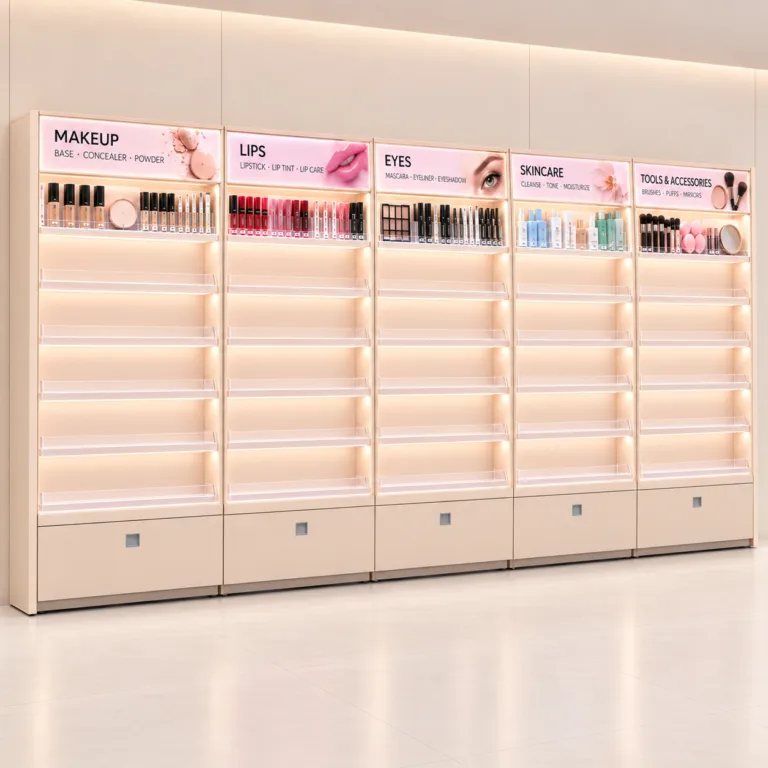
Rapid seasonal shifts, temporary pop up store concepts, and unpredictable foot traffic patterns are creating severe operational friction for modern retail managers. Traditional custom millwork demands long lead times, generates heavy site pollution during renovations, and offers zero reconfigurability once installed. When retail strategies change, these fixed wooden displays become costly liabilities that must be demolished and discarded.
To stay competitive without exhausting capital budgets, visual merchandisers and store development teams are shifting toward modular architectural systems. By replacing rigid joinery with reconfigurable components, retailers can easily adapt their store layouts to changing commercial demands.
Having defined the operational challenges of modern store fitting, let us explore the architectural mechanics that make modular display systems so adaptable.
What Are Modular Retail Displays and How Do How Do They Work?
A modular retail display is a flexible structural framework built from standardized, interchangeable components that assemble into complete merchandising fixtures. Unlike traditional custom millwork, these systems rely on smart engineering connectors. This setup lets store teams move shelves, adjust hanging rails, and update promotional panels quickly without messing with the permanent structure of the building.
Core Components and Assembly Logic
The real power of these displays comes down to how easily their structural engineering components integrate:
- Slotted Post Frameworks: Heavy-duty vertical aluminum and steel columns with precise mounting slots that support adjustable shelf brackets and clothing rails.
- Tension Fabric Lightboxes: Precision architectural metal frames using silicon edge graphics for fast, tool-free visual campaign updates.
- Replaceable Graphic Panels / Lightbox Modules: Standardized visual inserts and modular illuminated panels that allow instant seasonal graphics updates without replacing structural fixtures.
- Integrated LED & Digital Display Modules: Low-voltage energized channels and pre-wired tracks that instantly power shelf lighting, lightboxes, and dynamic digital screens without visible wiring.
- Adjustable Shelving Systems: Versatile, multi-point mounting matrices engineered for rapid shelf height adjustments, quick seasonal accessory swapping, and varied product densities.
- Modular Storage & Lockable Cabinets: Secure, interchangeable base units and lockable storage pods that seamlessly integrate into the display framework to protect high-value inventory.
With a clear understanding of the mechanical foundation of these systems, we can now evaluate why global brands are moving away from traditional custom carpentry.
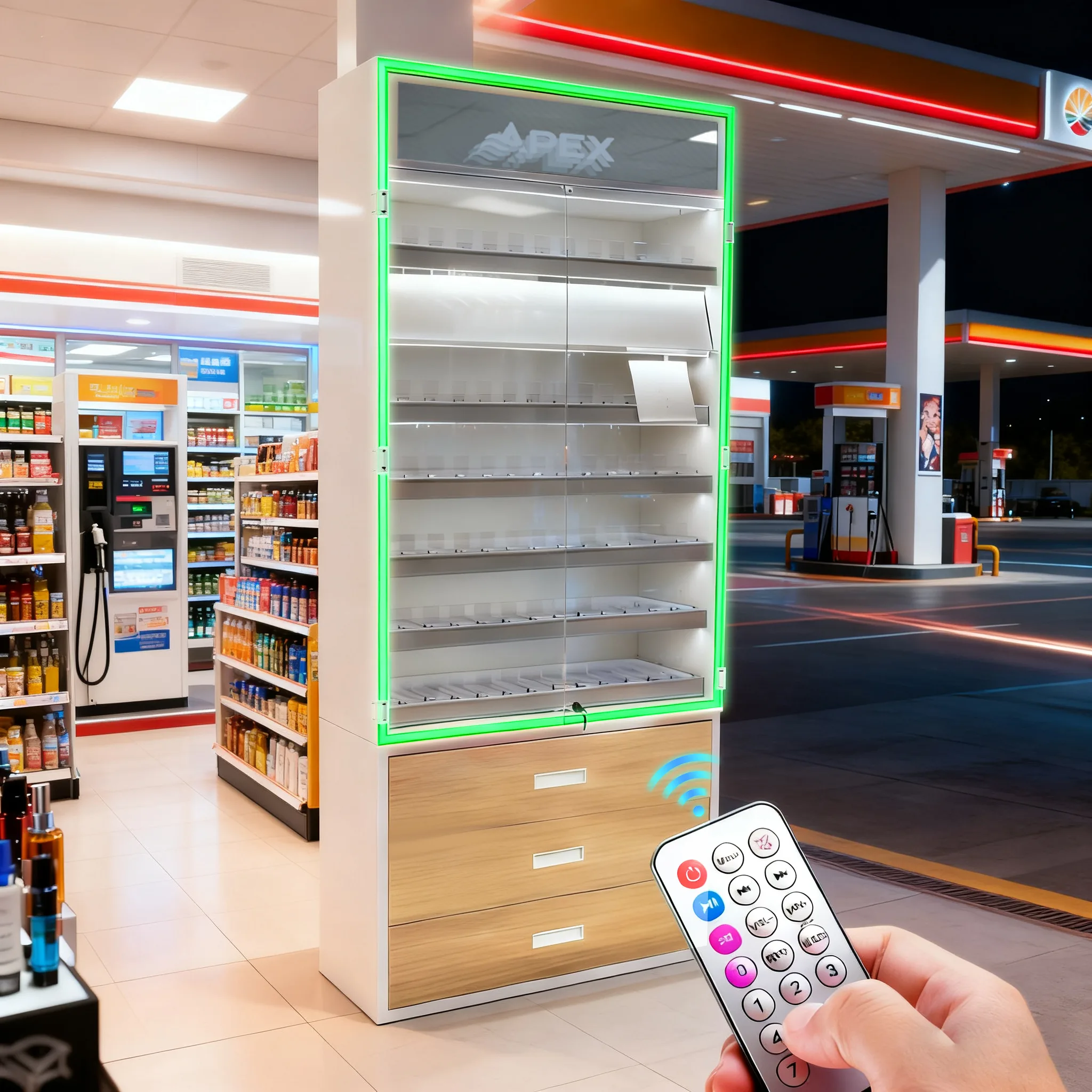
Why Are Retailers Switching from Custom Millwork to Modular Displays?
Custom carpentry gives you complete creative freedom at first, but it locks your store into a fixed layout that costs a fortune to change later. As consumer trends change faster than ever, store layouts have to keep up. Modular fixtures give retail teams the freedom to change up a floor plan for a new product launch in just a few hours instead of several days.
Compression of Store Fit Out Timelines
Beyond everyday display agility, the biggest business advantage is cutting down store renovation downtime. Traditional woodwork brings endless noise, dust, and mess on site fitting, keeping your doors closed for weeks. Pre-engineered modular parts arrive ready to snap together. This lets store owners launch new locations much faster and protect their daily sales stream.
Now that the operational motivations are clear, we must consider the specific technical parameters required when selecting a system for your commercial space.
How to Choose the Right Modular Display System for Your Retail Space?
Picking the right display framework means matching your product weight requirements with the right structural materials and connection hardware. Structural metal alloys like 6063 T5 aluminum and powder-coated steel offer the ideal balance of physical load capacity, reconfigurability, and long-term durability for perimeter walls and heavy merchandise floors. Complementary materials, such as high-grade clear acrylic accents or specialized visual panels, provide clean aesthetic boundaries and optimal light distribution for illuminated counter displays.
Sector Specific Display Configurations
Different retail sectors need targeted setup styles to keep products organized and visually appealing:
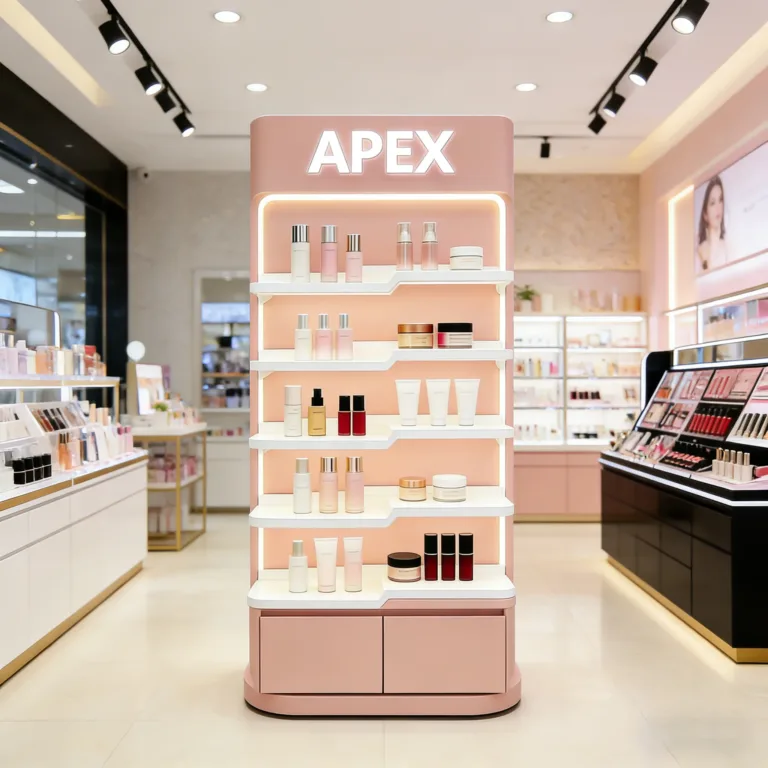
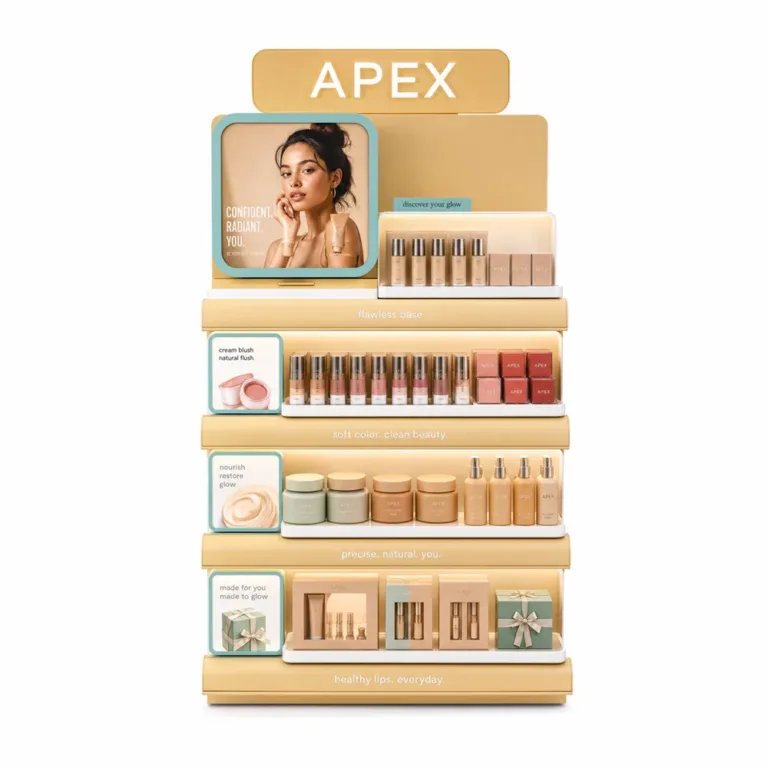
- Cosmetic Retail: Clean aesthetic lines with integrated low voltage lighting to highlight subtle product colors. High-traffic beauty environments often pair modular metal perimeter wall tracks with a targeted Cosmetic Counter Display to elevate high-margin items and maximize countertop organizing efficiency.
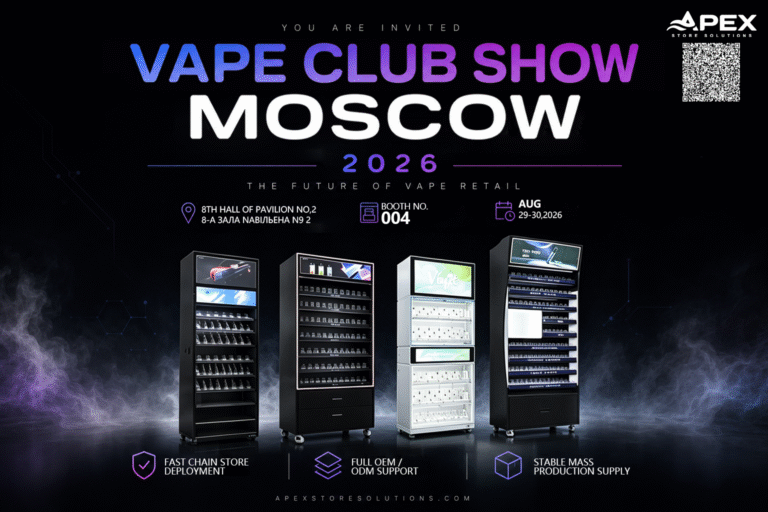
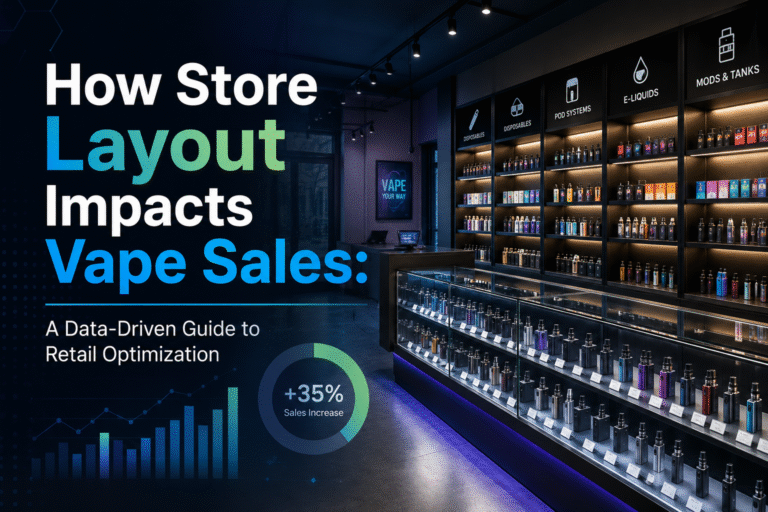
- Vape and Tobacco Outlets: High density inventory setups that balance visibility with product security. Implementing complete, turnkey Vape Store Solutions allows operators to seamlessly combine under-counter lockable storage with organized overhead back-bar showcases to prevent loss and streamline transactions.
- Electronics and Eyewear: Integrated security tethering, hidden cable routing, and high structural clarity. Dedicated units such as an illuminated Eyeglasses Display Stand or interactive digital tech counters encourage hands-on product testing while maintaining store security.
- High Capacity Commercial Spaces: Heavy-duty floor arrangements built on durable steel frameworks support high-volume, heavy merchandise. For unique architectural footprints, a tailored Custom Display Rack delivers brand-specific layouts while maintaining full modular reconfigurability.
Understanding technical requirements leads directly to evaluating financial performance over a multi-year retail deployment lifecycle.
How to Calculate the True ROI of Modular Displays: Beyond Initial Purchase Cost
To figure out what store fixtures really cost, you have to look past the initial price tag and check the Total Cost of Ownership over several years. Custom carpentry might look affordable when you get the first factory quote, but its long term cost climbs fast due to bulk shipping, expensive installation crews, and zero value when you rip it out for a redesign.
Structural Performance and Cost Comparison
| Financial and Operational Metric | Traditional Custom Millwork | Engineered Modular Displays |
| Initial Fabrication Approach | Labor Intensive Custom Joinery | Standardized Precision Production |
| Shipping and Freight Volumes | High Volume Crate Packaging | Low Volume Flat Pack Packaging |
| Onsite Installation Requirement | Skilled Carpenters for Multiple Days | Fast Assembly Crew |
| Floor Plan Reconfiguration Cost | Demolition and Refabrication | Module Realignment without Waste |
| Maintenance and Part Replacement | Entire Showcase Replacement | Single Component Swap |
Long Term Asset Protection and Logistics
Flat pack shipping allows modular fixtures to travel efficiently, cutting ocean container freight costs by up to 60 percent on global rollouts. On top of that, if a store location closes down, you can easily take the modular parts apart, pack them up, and set them back up at a new location without losing your initial investment.
To achieve these operational efficiencies at scale, you must partner with a manufacturing partner capable of multi material fabrication.
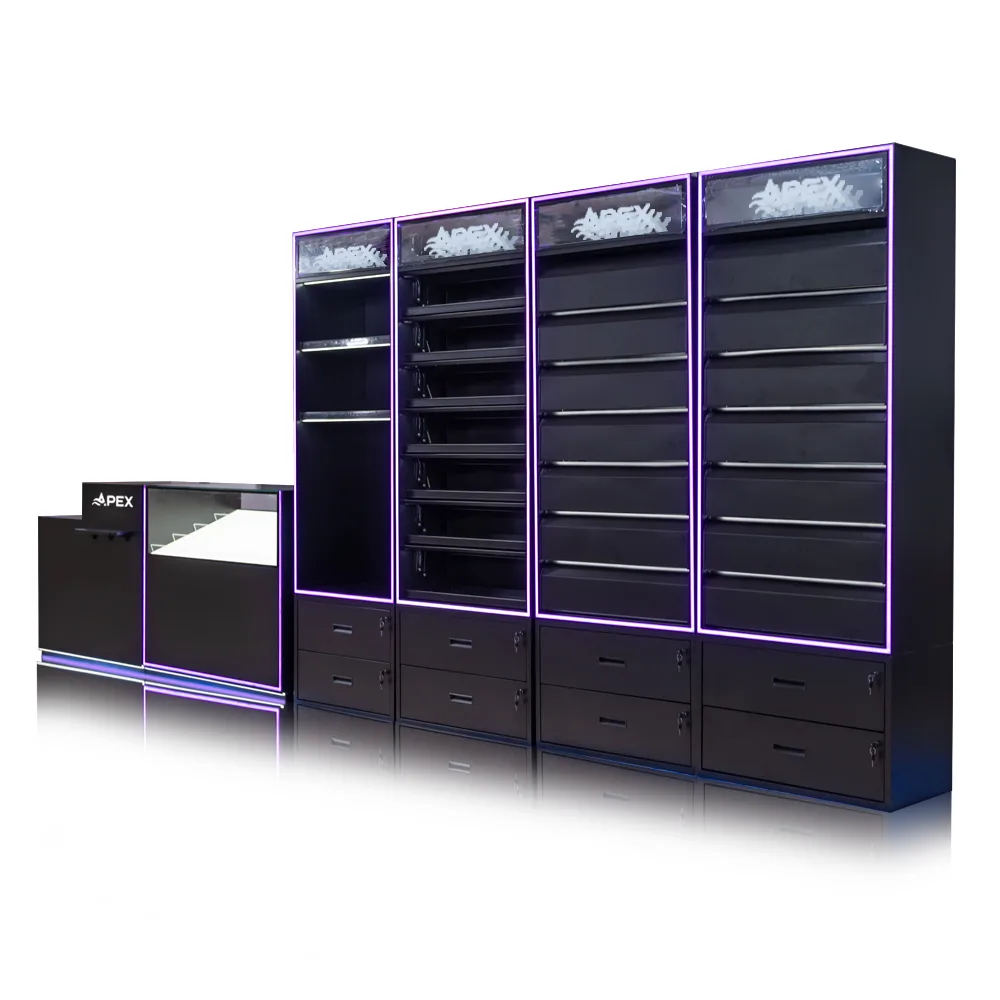
Engineering Excellence: Custom & Modular Retail Store System Solutions
Founded in 2005, Shenzhen Apex Store Solutions CO., LTD. operates over 25,000 square meters of specialized production space across Shenzhen and Huizhou. Equipped with over 200 advanced manufacturing systems—including high-precision CNC metal machining, laser cutting, automated electroplating lines, and specialized coating systems—the company provides global brand clients with fully customized retail display systems and store fixture solutions.
Certified Global Manufacturing Capabilities
With over two decades of OEM and ODM engineering experience, Apex seamlessly integrates structural metalwork, wood, architectural acrylics, and low-voltage LED digital modules under strict quality management frameworks. Having passed global factory audits from retail brands like L’Oréal, AEON, and Disney, the company maintains ISO9001 and SEDEX certifications along with international product compliance including CE, UL, RoHS, and REACH.
Whether you require full-store modular retail fixtures or specialized store fitting accessories, partnering with an experienced manufacturing partner ensures structural integrity, precise budget execution, and reliable global delivery.
Frequently Asked Questions
What primary factors influence the total price of custom modular display systems?
System pricing depends on the primary structural metals chosen, aluminum extrusion profile complexity, surface treatments (such as powder coating or anodizing), integrated digital/LED tracks, and total order volume. For precise pricing based on your specific store layout and technical requirements, contact Apex Store Solutions directly to consult with their engineering team.
What common material selection mistakes should retail planners avoid during procurement?
A common mistake is selecting lightweight frames for heavy product zones without verifying load tolerances first. Another frequent oversight is using non-compliant structural finishes or untreated substrates in high-traffic retail spaces without verifying local fire and safety regulations.
How long does a typical custom modular display project take from design to delivery?
Working through engineering drawings and approving structural sample prototypes usually takes 1 to 2 weeks. Once prototypes are approved, mass production generally requires 20 to 30 days depending on system complexity and rollout scale, followed by ocean or air shipping.
Conclusion
Modular retail display systems offer a flexible, cost-effective alternative to rigid custom millwork. By adopting reconfigurable architectural components, retail brands reduce installation downtime, lower global freight expenses, and build resilient store environments that adapt to changing market trends.
For retail brand directors, store designers, and procurement managers planning their next commercial rollout, partnering with an experienced fixture manufacturer ensures structural precision and reliable execution. Contact Apex Store Solutions today to discuss your store system needs and receive a tailored quote for your next global project.