Navigating the competitive sunglass market demands a strategic approach to retail merchandising, particularly within the expansive mid-range segment. This article delves into the essential design principles for creating effective sunglass displays, focusing on maximizing SKU capacity, ensuring flexibility, and enhancing perceived value. We’ll provide practical insights into optimizing display layouts and features, ultimately driving sales and achieving a strong return on investment within this critical market.

Understanding the Mid-Range Market and Consumer
The mid-range sunglass market represents a significant consumer segment. These buyers seek a balance between quality and affordability. While price-conscious, they are not solely driven by cost. Value is paramount, encompassing style, durability, and a sense of brand reliability. Custom sunglasses displays allow retailers to tailor the presentation to these specific consumer values.
Unlike the luxury market, where brand prestige often dictates purchase decisions, or the economy segment, where price is paramount, the mid-range consumer navigates a landscape of diverse styles and functional needs. Therefore, displays must cater to this broad spectrum, showcasing a variety of designs and highlighting the product’s inherent value through strategic presentation.
Understanding these nuanced preferences is pivotal to crafting displays that resonate and convert. Effective displays in this market connect with the desire for both style and substance, driving sales by effectively communicating the product’s value proposition.
Design Principles for Mid-Range Sunglasses Displays
Optimizing sunglass displays for the mid-range market requires adherence to specific design principles. These principles aim to maximize sales by aligning with consumer expectations and preferences. A core consideration is SKU capacity, ensuring a broad selection to accommodate diverse tastes.
SKU Capacity
SKU Capacity must be adequate. Given the market’s breadth, a display should hold a substantial variety of styles. This allows consumers to find their ideal fit and encourages impulse purchases. Displays accommodating 72 to 144 units are common, offering retailers the flexibility to showcase a wide range.
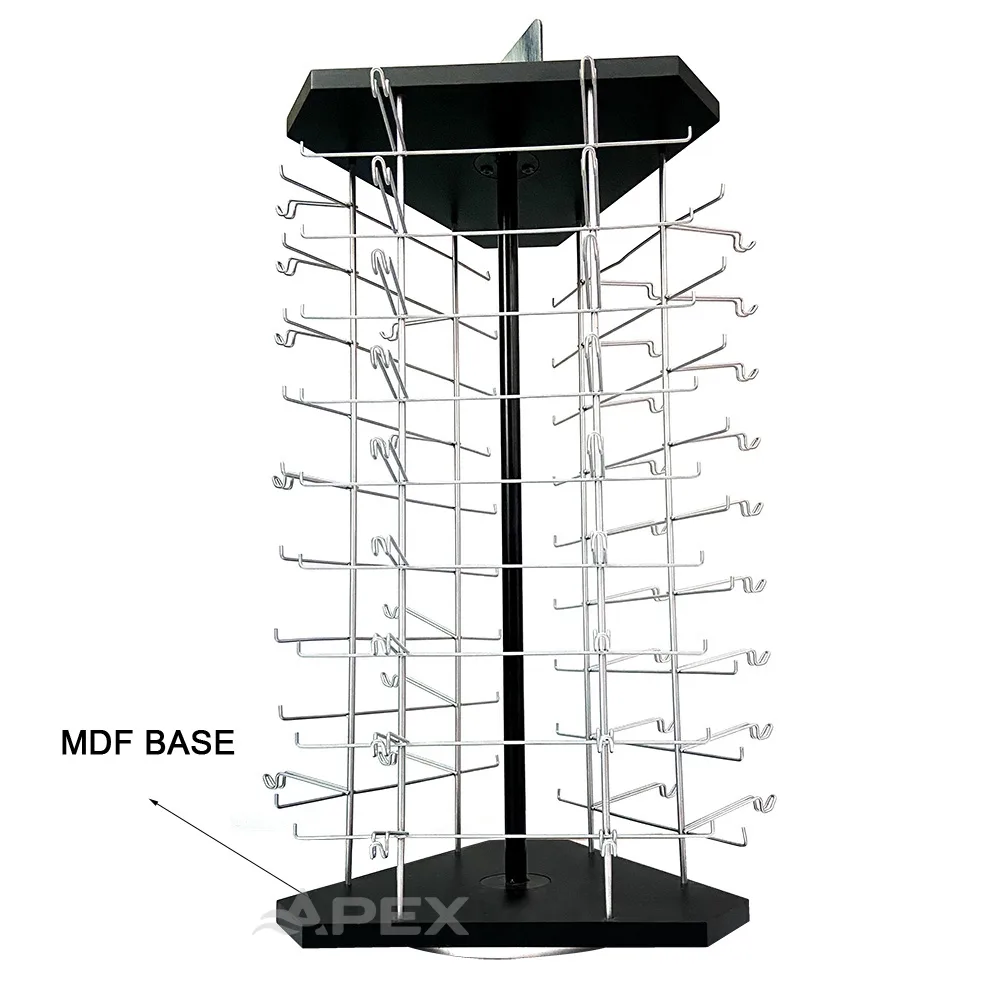
Flexibility and Adaptability
Displays must accommodate varying lens sizes and frame styles, ensuring longevity and a return on investment. This adaptability allows for seamless integration of new collections, maintaining relevance across multiple seasons. This is especially important when considering eyeglasses displays as they must be able to hold a variety of frame sizes.
Creating Perceived Value
The display itself influences consumer perception. Higher-quality materials and design elements elevate the perceived value of the product. Investing in acrylic, wood accents, or integrated lighting can significantly impact sales. The display should convey quality that aligns with the product’s price point.

Practical Design Considerations
Practical design considerations are essential for optimizing retail placement and enhancing the customer experience. These include:
- Small footprint
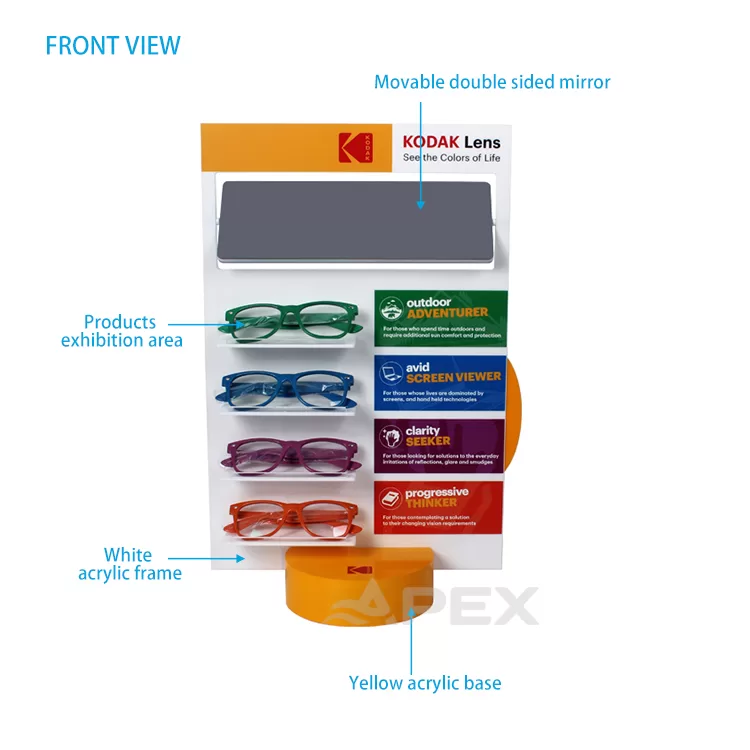
- Interchangeable signage
- Spinner functionality
- Easy accessibility
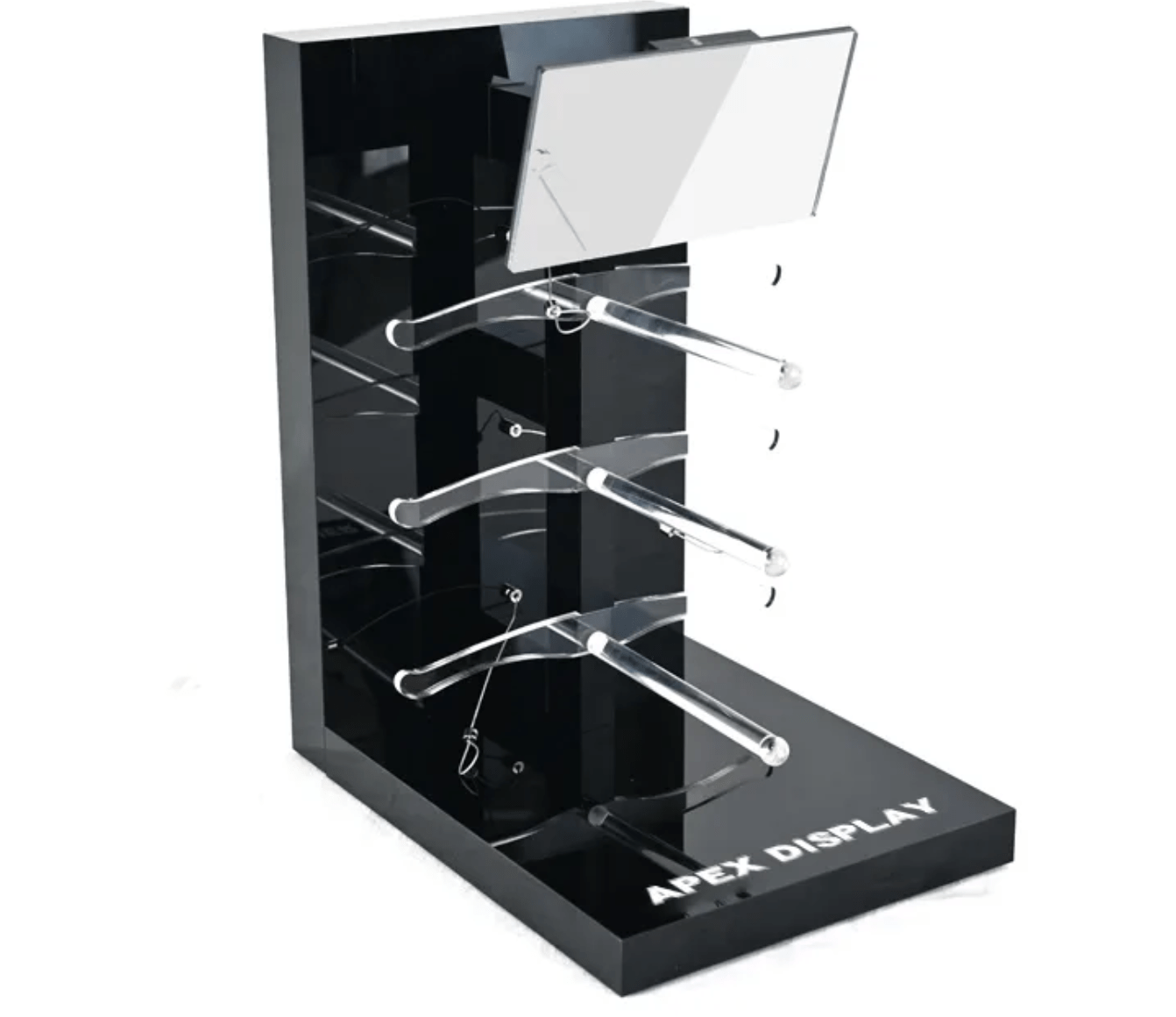
- Mirrors
- Mobility
- Storage
Each of these elements contributes to a more engaging and efficient shopping environment.
Strategic Display Implementation
Effective display implementation is crucial to maximizing the impact of well-designed sunglass displays. Strategic placement and layout can significantly influence consumer engagement and sales. Prioritizing high-traffic areas within the retail environment is fundamental.
High-Traffic Placement
High-traffic areas such as near entrances, checkout counters, and central aisles offer maximum visibility. Placing displays in these locations ensures a higher likelihood of customer interaction and impulse purchases. Understanding customer flow within the store is essential for optimal placement.
Eye-Level Positioning
Eye-level positioning is another critical consideration. Displays positioned at eye level naturally draw attention. This placement ensures that the merchandise is easily visible and accessible, encouraging customers to explore the selection. Proper height and angle adjustments are necessary for optimal visibility.
Creating Customer Flow
Creating a natural customer flow through the display is essential. The layout should guide customers seamlessly, allowing them to browse and try on glasses without feeling crowded or confused. Utilizing clear pathways and organized arrangements facilitates a smooth shopping experience.
Optimizing Size and Footprint
Even in high-traffic areas, space is at a premium. Balancing the need for ample product display with the constraints of retail space ensures that the display is both effective and practical. This involves careful consideration of the display’s dimensions and its impact on the surrounding environment.
Conclusion
To effectively capture the mid-range sunglass market, retailers must focus on strategic sunglasses display design. This involves balancing product variety with perceived quality, ensuring adaptable displays that optimize customer flow and enhance the shopping experience. By prioritizing these elements and remaining responsive to market trends, businesses can create compelling displays that drive sales and foster lasting customer relationships.
Contact us via apex@aapex.cn for expert consultation on designing sunglasses displays that maximize your market impact and boost your bottom line.