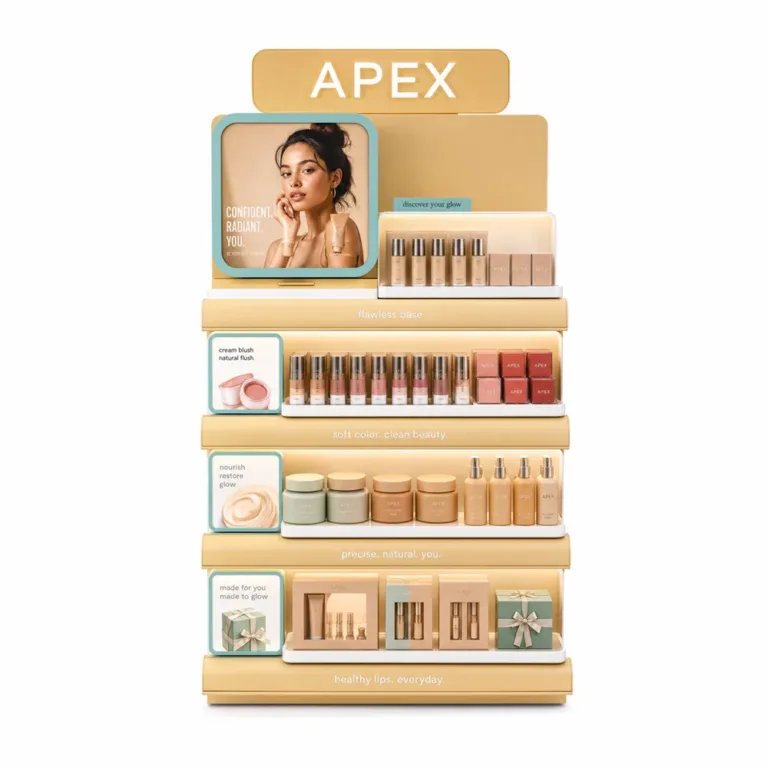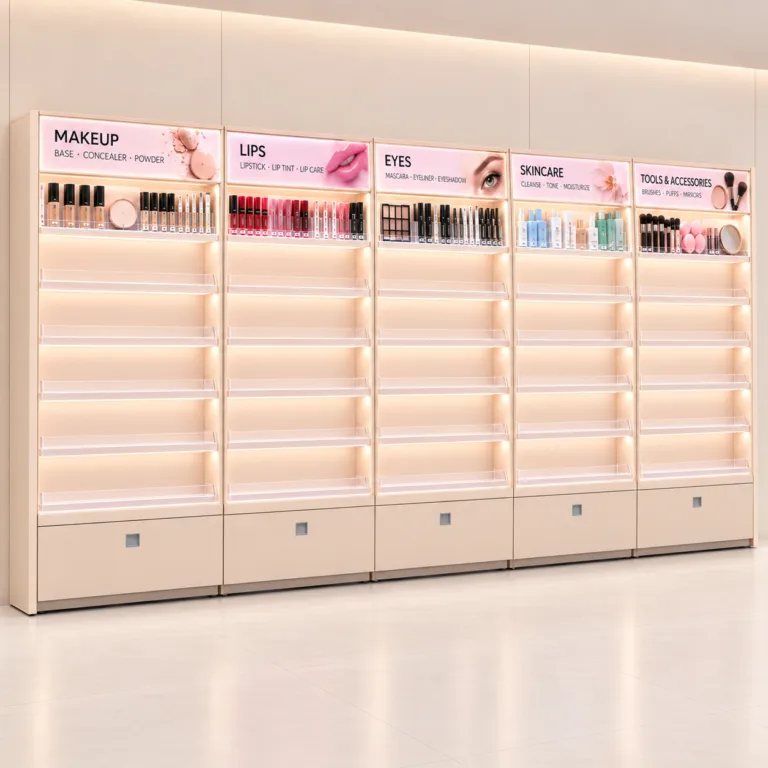
Creating an effective 3C electronics display is essential for any retailer selling mobile phones, computers, smart accessories, and other digital devices. As customers rely heavily on visual information and hands-on testing before making a purchase, a well-designed display can significantly influence their buying decisions. To help retailers build a more efficient and customer-friendly shopping environment, the following design principles highlight how to present 3C products with clarity, order, and a strong sense of value.
1. Start With Clear Product Segmentation for 3C Electronics Display
To begin with, a successful 3C electronics display starts with proper product segmentation. Because 3C items come in many small categories—such as smartphones, chargers, earphones, screen protectors, routers, and smart watches—grouping them clearly helps customers navigate the store more easily.
By organizing products by type, brand, or usage scenario, retailers reduce confusion and help shoppers quickly find what they need. In addition, well-defined zones support better traffic flow and improve the overall customer experience. A clear product structure also makes display updates faster and more efficient for the store team.
2. Use Smart Planograms to Improve Consistency and Control
Next, using planograms is one of the most practical ways to elevate a 3C electronics display. A planogram provides a visual guide for shelf layout, product positioning, and spacing. It helps retail teams maintain consistent presentation across all stores, especially for brands with multiple locations.
Planograms are particularly important in the 3C category because product sizes vary significantly—from small cables to larger items like tablets and mini speakers. With planograms, retailers can maintain clean lines, uniform spacing, and logical product positioning, which all help customers compare features more easily.
Additionally, planograms improve execution control. Store managers can regularly check shelf compliance and adjust stock levels based on sales performance, ensuring that high-demand items remain visible and fully stocked.
3. Focus on Visibility and Ease of Understanding
As we move deeper into design principles, visibility becomes a key factor in a successful 3C electronics display. Customers want to see technical details, pricing, and product features quickly. Electronics shoppers rarely make impulse purchases; they spend time comparing specifications, testing devices, and exploring functions.
Therefore, each display should include:
- Clear labels and information cards
- Simple product comparison layouts
- Easy-to-read prices
- Clean shelves without clutter
These elements reduce customer hesitation and support confident decision-making. A transparent and well-lit display not only highlights product quality but also increases customer trust.
4. Create Interactive and Demonstration-Friendly Spaces
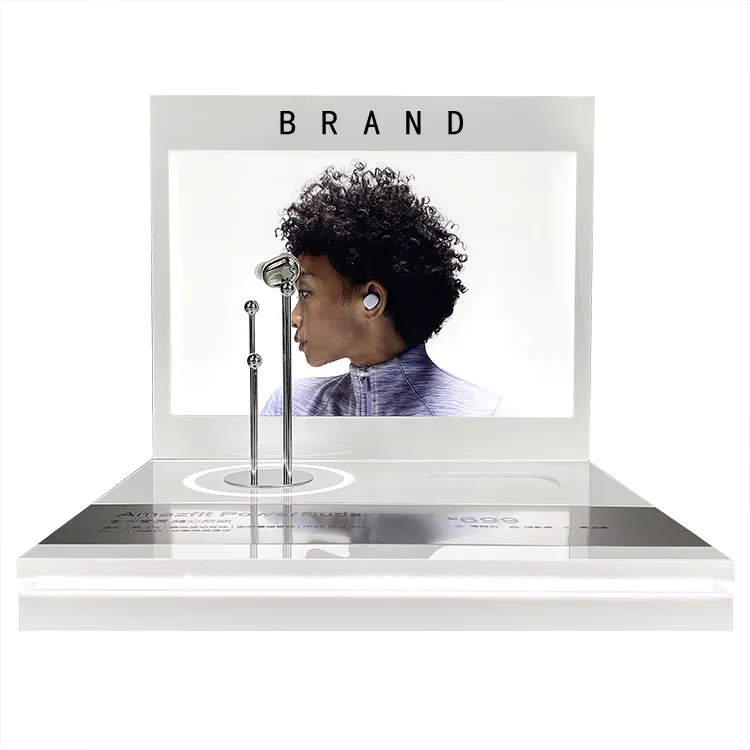
To continue, interactivity is a major advantage in any 3C electronics display. Customers often need to test how fast a phone responds, how a Bluetooth speaker sounds, or how a smart device works. Demonstration zones allow shoppers to interact with products directly, which increases satisfaction and boosts purchase intent.
Demo areas should be spacious enough for customers to hold, test, and compare items. Power access must also be integrated into the design to support live displays for phones, tablets, and wearables. By offering hands-on experience, retailers help customers understand real performance instead of relying only on printed descriptions.
5. Maximize Space With Functional and Flexible Layouts
Space optimization is another important design principle for an effective 3C electronics display. Retail areas often carry many product categories, so fixtures must support efficient use of available space.
Retailers can maximize space by using:
- Modular shelves
- Adjustable hooks and holders
- Stackable display risers
- Wall-mounted panels for small accessories
- Countertop displays for top-selling items
Flexible layouts allow stores to rearrange products quickly, especially during new product launches or seasonal changes. When displays are not overcrowded, customers can browse comfortably and examine products without pressure.
6. Enhance Presentation With Quality Materials and Lighting
Another critical element in 3C retail design is the selection of display materials. Quality materials not only improve store aesthetics but also protect fragile electronics. Acrylic stands, metal frames, and wooden bases are widely used because they provide stability and a high-end retail look.
Lighting is equally important. Proper lighting guides customer attention, boosts product visibility, and makes screens and devices appear more attractive. Retailers often use LED light strips, spotlight bars, or built-in illumination within display cabinets to highlight key items.
By combining durable materials with professional lighting, a 3C electronics display becomes more eye-catching and aligns better with modern retail expectations.
7. Simplify Accessory Displays for Better Cross-Selling
Furthermore, accessory zones play a major role in 3C retail because customers often look for chargers, cables, and protective cases when buying a device. An organized accessory section strengthens cross-selling opportunities and improves store efficiency.
Accessories should be displayed using:
- Pegboard hooks
- Transparent acrylic bins
- Category labels
- Simple product grouping
- Visible pricing
When accessories are tidy and easy to find, customers are more likely to add extra items to their purchase.

8. Maintain a Clean and Updated 3C Electronics Display
Finally, to ensure long-term success, store teams should update the 3C electronics display regularly. The 3C market changes quickly, especially with new phone and accessory launches happening throughout the year. Regular updates keep the display fresh, relevant, and visually appealing.
Routine tasks include:
- Replacing outdated items
- Cleaning shelves and acrylic surfaces
- Updating price labels
- Refreshing demo devices
- Rearranging top-selling items for better exposure
These simple maintenance steps help retailers strengthen brand image and deliver consistent customer satisfaction.
Conclusion
A well-designed 3C electronics display helps retailers improve product visibility, guide customer selection, and increase sales conversion. By applying clear segmentation, planogram consistency, interactive zones, quality materials, and flexible layouts, electronics stores can create a modern and effective shopping environment that meets customer needs and showcases products at their best.
If you are looking for a reliable 3C electronics display supplier, APEX offers professional custom display stands, quality materials, and tailored retail solutions to help your store present products beautifully and boost sales.
Contact APEX today to create a 3C display that truly stands out in your market.