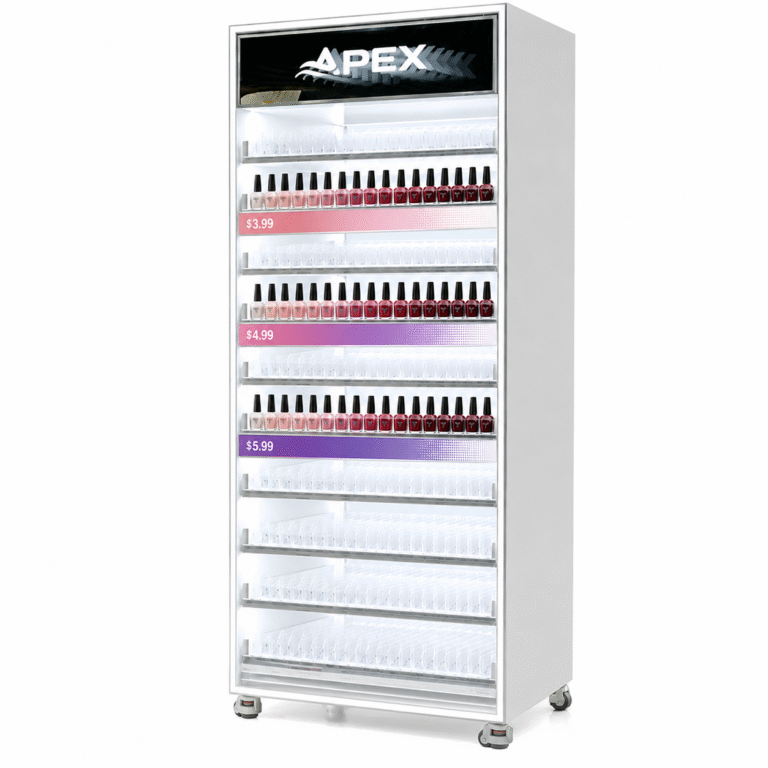
From Design Concepts to Production-Ready Fixtures: How Prototyping Helps Luxury Brands Validate Materials, Engineering, Finishes, and Functionality
Why Is Prototyping Important for Bespoke Luxury Retail Displays?
Prototyping is essential for bespoke luxury retail displays because it allows brands and manufacturers to verify structural feasibility, material combinations, surface finishes, lighting performance, assembly accuracy, and product presentation before mass production. A physical prototype helps identify potential manufacturing issues that may not be visible in 3D renderings or technical drawings.
For luxury beauty, fragrance, jewelry, and premium retail brands, a display fixture is more than a product holder. It represents the brand’s identity and contributes to the in-store customer experience.
Even small differences in color, material texture, joint alignment, or lighting can change how customers perceive a premium display.
Unlike standard retail fixtures, bespoke displays often involve original structures, specialized finishes, custom product holders, concealed components, and integrated electronic features.
These requirements cannot always be fully evaluated through digital designs alone.
Prototyping provides an opportunity to examine how the proposed design performs as a physical product.
For high-end retail displays, a prototype is not simply a sample for approval. It is an engineering and manufacturing verification tool.
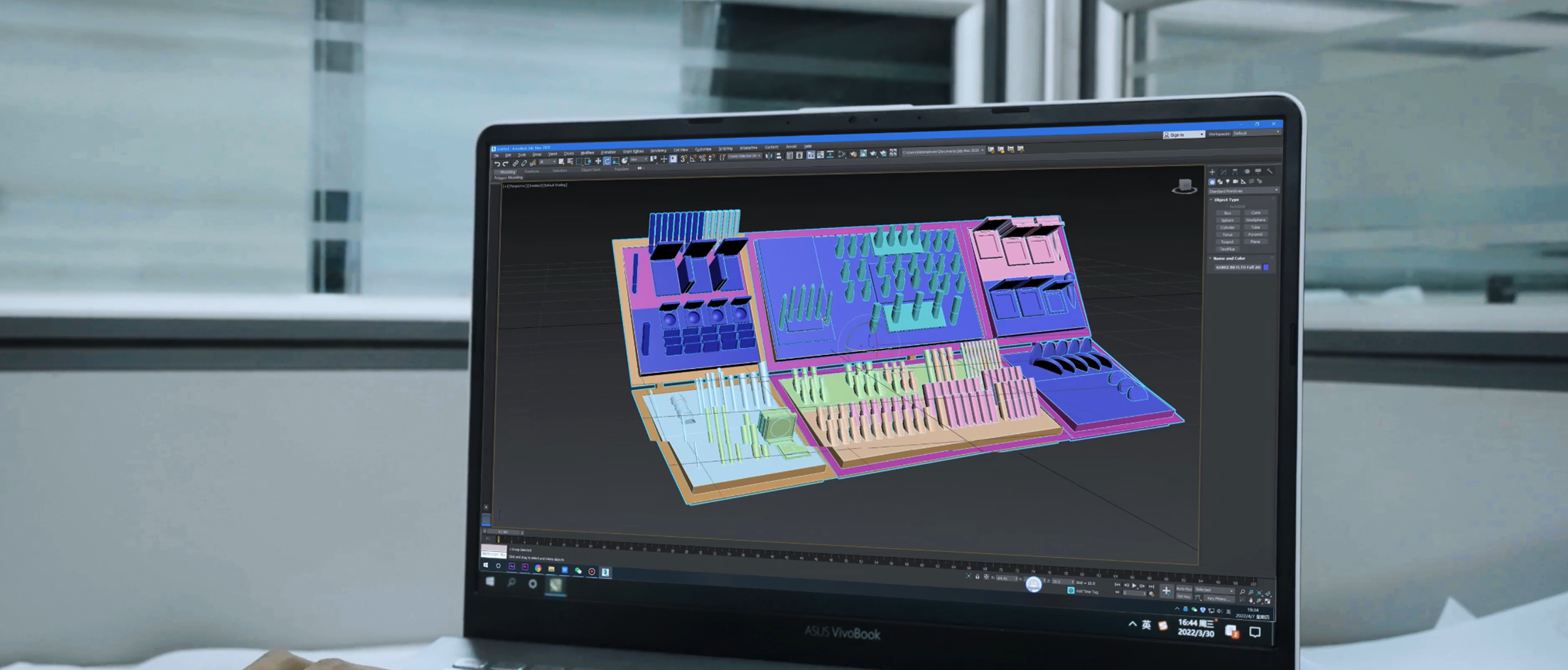
1. Why Can’t Luxury Retail Display Designs Go Directly into Mass Production?
A 3D rendering can communicate the appearance of a display, but it cannot prove that the product will be practical to manufacture, assemble, install, or maintain.
A visually attractive concept may contain hidden engineering challenges.
For example:
- A thin structural component may not provide the required stability.
- Different materials may have incompatible tolerances or connecting methods.
- A decorative finish may appear different under actual retail lighting.
- Concealed electrical components may require additional installation space.
- Product holders may not fit the actual merchandise as intended.
These issues become particularly important when a project involves high-value products, detailed brand requirements, or multiple retail locations.
Moving directly into mass production can multiply the consequences of an unresolved design issue.
Prototyping allows the design and manufacturing teams to evaluate practical concerns before committing to the full order.
2. What Should Be Verified During Luxury Display Prototyping?
Effective prototyping should focus on the requirements that matter most to the specific project.
Structural Stability and Engineering Feasibility
A premium display must support its intended products while maintaining the appearance specified by the brand.
Prototype evaluation may cover supporting frames, bases, shelves, connection methods, load-bearing requirements, and assembly stability.
For displays with rotating structures, lockable compartments, or movable elements, these functions may also require physical verification.
The objective is to confirm that the intended design can operate reliably without compromising its visual presentation.
Material Compatibility and Precision Assembly
Luxury retail fixtures frequently combine acrylic, metal, wood-based panels, glass, plastic, and decorative components.
These materials have different processing characteristics.
Prototyping helps evaluate how components fit together, whether connecting methods are practical, and whether visible transitions match the approved design.
Particular attention should be given to alignment, gaps, joining details, and exposed edges.
Premium Surface Finishes and Brand Identity
Digital images cannot fully reproduce the appearance of every physical finish.
Metallic coatings, polished acrylic, printed graphics, decorative textures, and transparent components may look different in real environments.
Physical samples allow customers to review color consistency, gloss, surface texture, printing quality, logo placement, and overall appearance.
For luxury brands, these details contribute directly to a recognizable and consistent identity.
Lighting and Electrical Integration
Integrated lighting can influence product visibility, material appearance, and the atmosphere of a retail display.
A physical prototype allows the team to evaluate whether the lighting configuration achieves the intended presentation.
Depending on the project, checks may include illumination coverage, light diffusion, component positioning, wiring arrangements, power specifications, and maintenance access.
Product Interaction and Accessibility
An attractive display must also work with real products.
Jewelry, fragrance bottles, cosmetics, and testers have different dimensions, weights, and handling requirements.
Using representative merchandise during prototype evaluation can reveal issues involving spacing, product stability, visibility, or customer access.
Packaging and Installation Feasibility
A display may be practical when fully assembled but difficult to transport or install.
For international projects, prototype review can also consider detachable structures, component identification, packaging protection, and installation requirements.
This is especially relevant when the same display will be delivered to multiple stores.
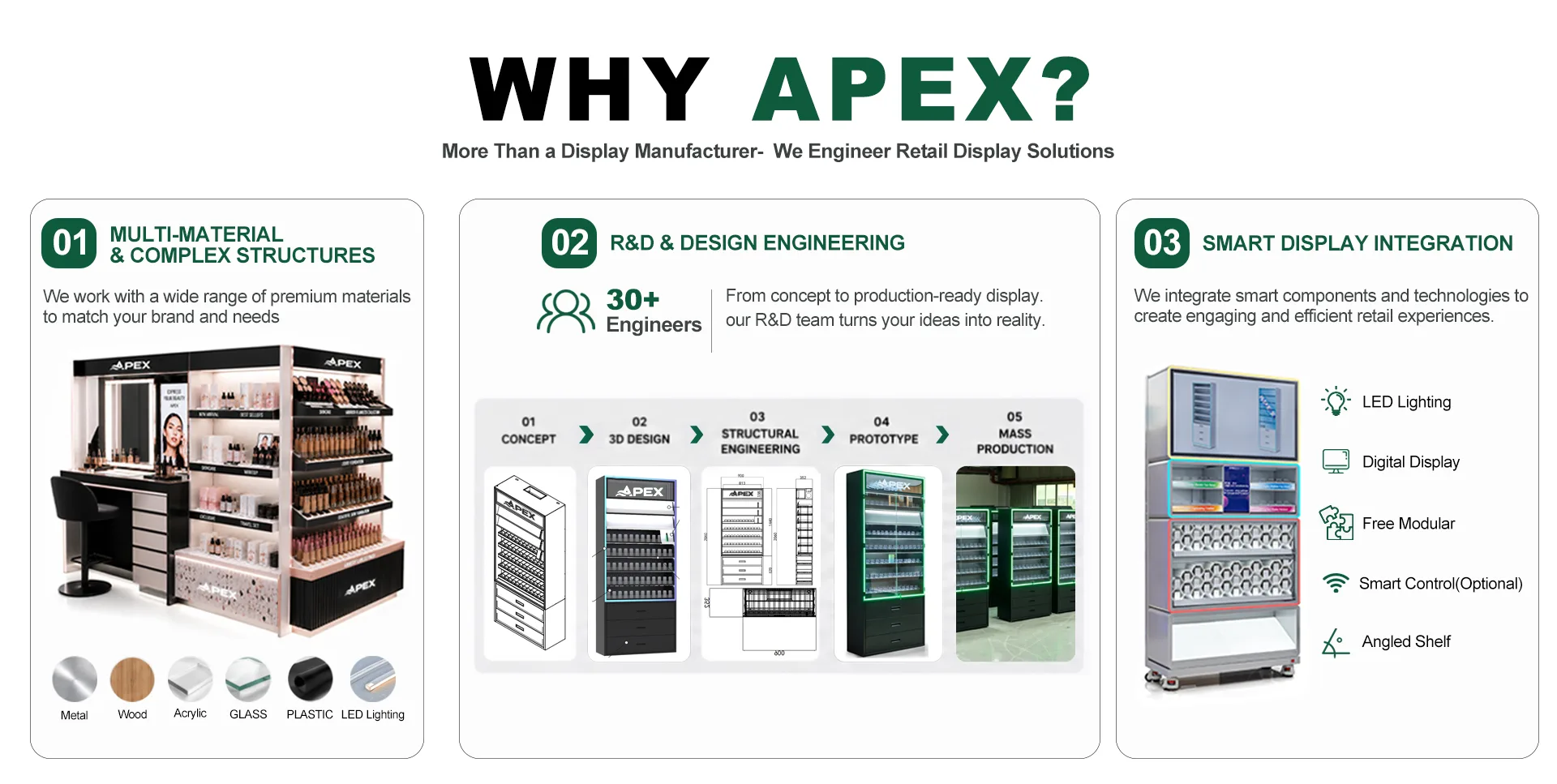
3. Why Do Bespoke Display Projects Sometimes Require Multiple Prototype Revisions?
Multiple prototype revisions may be necessary when the first physical sample reveals differences between the intended design and its actual manufacturing or functional performance.
An initial sample may confirm the overall structure while exposing issues with lighting, finish quality, assembly, or product compatibility.
The next revision can then focus on those specific problems rather than restarting the entire project.
A typical development sequence may include:
| Development Stage | Main Purpose |
|---|---|
| Initial concept and engineering review | Evaluate design intent and manufacturing feasibility |
| First physical prototype | Verify overall structure, materials, and appearance |
| Targeted design revisions | Resolve identified structural, visual, or functional issues |
| Revised sample or component verification | Confirm that the changes meet the agreed requirements |
| Final sample approval | Establish the reference for production |
| Production preparation | Confirm drawings, specifications, and applicable inspection requirements |
Not every project requires the same number of iterations.
Some designs can be approved after one complete prototype, while technically complex projects may need additional samples or targeted component testing.
The objective is not to create more samples.
It is to make the right engineering decisions before production.
4. Real APEX Experience: Repeated LED Prototyping for CRISLU Jewelry Displays
APEX’s work with CRISLU, a U.S. jewelry brand, provides a practical example of why prototype validation matters for high-end customized retail displays.
The collaboration includes acrylic rotating displays, jewelry showcases, countertop fixtures, metal structures, and branded retail displays.
These projects frequently involve relatively small production quantities combined with demanding customization requirements.
Depending on the display, the design may involve acrylic, metal, PVC, MDF, tempered glass, graphics, and lighting.
Example One: Repeated Sampling for an Illuminated Acrylic Cover
One illuminated acrylic cover underwent repeated sampling before its final LED specification was confirmed.
The approved configuration recorded for this component included:
| Technical Parameter | Confirmed Specification |
|---|---|
| LED Quantity | 240 LEDs |
| Power | 18W |
| Input Voltage | 24V DC |
This example demonstrates why illuminated components may require physical validation rather than relying solely on an initial design concept.
The important result was a confirmed technical configuration that could be used for the subsequent manufacturing stage.
The project record establishes that repeated sampling took place, but it does not specify every change made during each revision.
Example Two: Revising the Lighting Concept for a PVC Gondola
In a separate CRISLU display project, the original spotlight concept was changed to a full illuminated lightbox to provide more uniform product lighting.
The final design used a PVC structure, a 5 mm clear acrylic top cover, and a lockable double-door storage compartment.
This change illustrates another important role of prototype development: the initial design concept may need to be reconsidered when the intended presentation or practical requirements call for a different solution.
The two examples highlight different development decisions—confirming an LED specification and changing a lighting concept.
Both demonstrate that the lighting system should be considered part of the overall display design rather than an accessory added at the end.
Related Project: Custom Jewelry Display Solutions for CRISLU
5. How Does Prototyping Help Protect Luxury Brand Design Intent?
One of the main challenges in bespoke manufacturing is preserving the original design while making it suitable for production.
A luxury brand may specify exact visual proportions, material effects, logo positioning, or concealed structural details.
However, some elements may need engineering adjustments to become manufacturable.
Prototyping helps manufacturers and brand teams evaluate these adjustments together.
For example, a hidden support may need to be repositioned without altering the intended silhouette.
A transparent panel may need a different connection method to improve assembly.
A lighting module may require changes to its location or configuration while maintaining the intended appearance.
Physical verification provides a shared reference for discussing these decisions.
It also helps prevent a technical modification from unintentionally changing the visual character of the display.
Successful bespoke manufacturing does not simply reproduce a rendering. It preserves the design intent while resolving real manufacturing constraints.
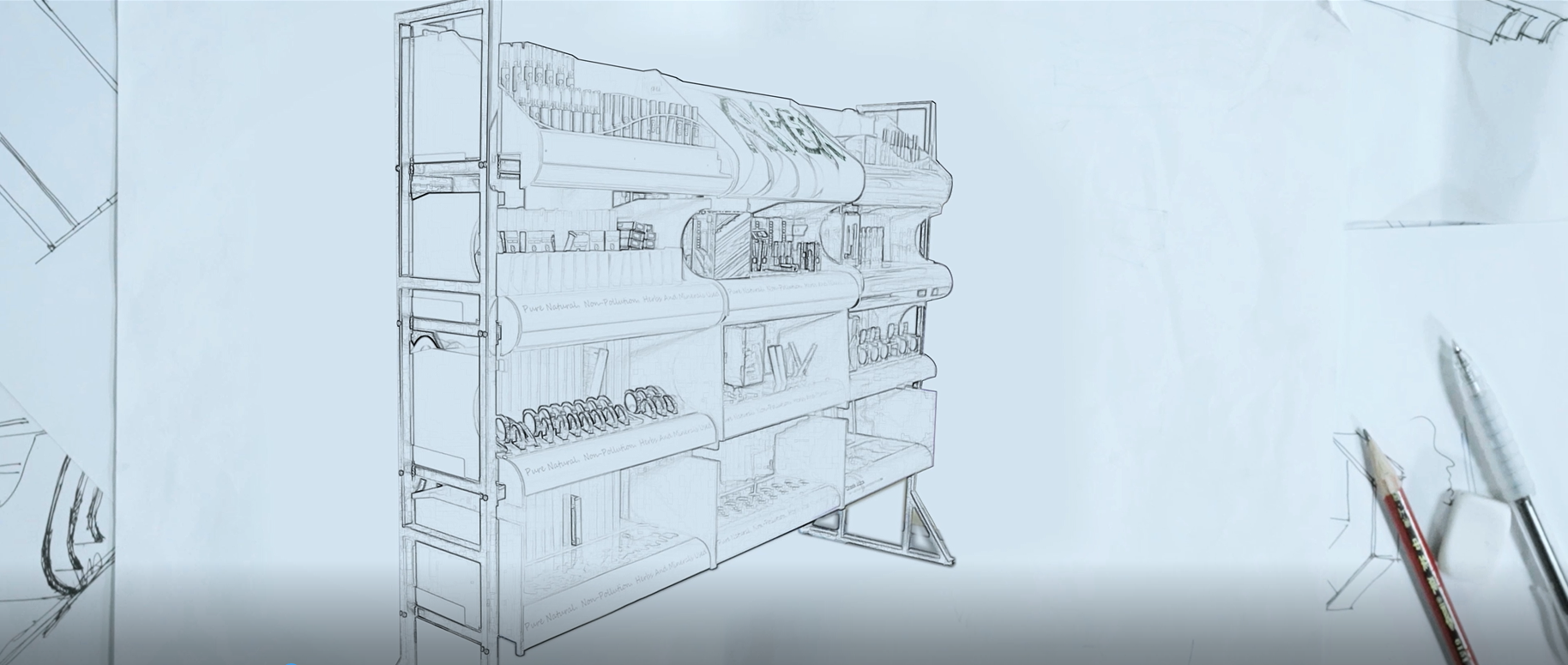
6. How Does APEX Support Prototyping for Bespoke Retail Displays?
APEX supports custom retail display development for beauty brands, jewelry brands, retail fixture companies, and customers with their own design and engineering teams.
Depending on the project, customers may provide sketches, reference photographs, 3D designs, technical drawings, or physical samples.
APEX’s development support can include several stages.
Engineering Review
The team evaluates the design requirements, structural feasibility, relevant materials, and potential manufacturing challenges.
Material and Process Evaluation
Suitable manufacturing methods are assessed according to the product’s appearance, performance requirements, complexity, and order quantity.
APEX performs acrylic manufacturing through its in-house acrylic operations and coordinates other specialized manufacturing processes through professional production partners.
Prototype Development
Samples are developed to verify the agreed structure, appearance, component compatibility, and applicable functions.
Review and Modification
Customer feedback and identified technical issues are reviewed, and necessary adjustments are incorporated into the development process.
Sample Confirmation and Production Preparation
Once the relevant details are approved, the confirmed drawings, sample references, materials, and specifications provide the basis for production planning.
This process is intended to help customers move from creative concepts toward practical, manufacturable display products.
7. How Does Prototyping Reduce Manufacturing Risks and Control Project Costs?
Prototype development introduces an upfront expense, but it also provides an opportunity to identify issues before full production.
For bespoke displays, design changes made after materials have been processed or specialized components have been manufactured can create additional costs.
For example, an incorrect connection detail may affect multiple components.
An unsuitable finish may require parts to be reproduced.
A poorly positioned lighting module may affect both the structure and electrical installation.
Prototype validation helps identify these concerns while the project is still in development.
It can also support better manufacturing decisions, such as selecting practical joining methods, revising unnecessary components, or comparing alternative processes.
However, prototyping does not guarantee lower total costs or eliminate every production risk.
Its value depends on whether the testing scope reflects the project’s actual technical requirements.
For international brands, the most useful question is not simply how much a prototype costs.
It is which manufacturing uncertainties need to be resolved before placing a production order.
8. What Should Buyers Confirm Before Approving a Luxury Display Prototype?
Before final approval, buyers should confirm that the physical sample meets the agreed requirements.
| Verification Area | Questions to Ask |
|---|---|
| Structure | Is the display stable and suitable for the intended products? |
| Dimensions | Do all critical measurements match the approved drawings? |
| Materials | Are the material types, colors, and textures correct? |
| Surface Finishes | Are visible surfaces, edges, and joints acceptable? |
| Branding | Are logos, graphics, and brand colors correctly positioned? |
| Lighting | Does the installed lighting match the approved requirements? |
| Functionality | Do applicable moving, locking, or interactive features operate correctly? |
| Assembly | Can the components be assembled as intended? |
| Packaging | Can the fixture and its components be protected during transportation? |
| Production Reference | Are the final sample, drawings, and specifications consistent? |
For technically complex projects, specialized measurements or additional tests may also be appropriate.
After approval, the sample should be supported by clear technical documentation.
A physical sample alone may not capture every material specification, process requirement, or approved engineering change.
9.Frequently Asked Questions
Why is prototyping necessary for bespoke luxury retail displays?
Prototyping allows customers and manufacturers to verify physical appearance, structural feasibility, material compatibility, assembly, lighting, and functionality before production.
How many prototypes are needed for a custom luxury display?
There is no fixed number. A straightforward project may need one complete prototype, while a complex design may require additional revisions or component-specific testing.
Can a manufacturer start production using only a 3D rendering?
A 3D rendering can guide development, but it cannot fully verify physical finishes, material connections, assembly behavior, or functional performance. Physical prototype approval is generally advisable for complex bespoke projects.
Does every bespoke retail display require a custom mold?
No. Manufacturing methods depend on the design, material, complexity, and production quantity. CNC machining, acrylic fabrication, metal processing, or specialized tooling may be suitable depending on the component.
What should luxury brands check during sample approval?
Brands should review dimensions, structural stability, material appearance, color accuracy, branding, lighting, product fit, assembly, and any project-specific functional requirements.
Can APEX develop prototypes from customer sketches or reference images?
Yes. APEX can review initial concepts, reference images, drawings, or physical samples and support engineering development and prototype manufacturing according to the project requirements.
Does prototype approval replace mass-production inspection?
No. Prototype approval establishes a reference for manufacturing, while production inspection verifies that finished units meet the approved requirements.
Conclusion: Prototyping Turns Bespoke Design into Manufacturing Confidence
Bespoke luxury retail displays often involve more than unusual shapes or expensive materials.
They require a careful balance of visual identity, structural engineering, material selection, fine finishing, functional integration, and manufacturing feasibility.
Prototyping provides the physical evidence needed to evaluate these requirements before full production.
The experience gained through APEX’s customized jewelry display projects—including repeated LED sampling and the development of alternative lighting configurations—illustrates how engineering review and sample validation support complex retail fixture development.
A luxury display should not move into production simply because the rendering looks right. It should move forward when its critical design and manufacturing requirements have been verified.
APEX helps international brands and retail partners develop bespoke display fixtures through engineering coordination, prototype development, multi-process manufacturing support, and production planning.
Have a Bespoke Retail Display Concept? Validate It Before Production.
Contact APEX to discuss your design drawings, material requirements, prototype development, and manufacturing plans.