When it comes to commercial displays and product manufacturing, choosing the right material is crucial. The material you select directly impacts the look, durability, and cost of the final product. As a leading supplier of acrylic display racks, we understand the importance of this decision. Medium-Density Fiberboard (MDF) and acrylic (also known as PMMA) are two common materials with distinct advantages. A key factor many clients consider is hardness. This article will provide an expert analysis from APEX on the hardness differences between acrylic and MDF and help you understand how these differences matter in real-world applications.
Understanding Hardness: The Professional Scales
Before we dive into the data, it’s essential to understand how hardness is measured. In materials science, there is no single “hardness” value. Different testing methods are used to quantify this property. We commonly use these four classic tests:
- Rockwell Hardness: Measures the depth of an indentation made by a ball or cone pressed into the surface.
- Janka Hardness: Measures the force required to embed a steel ball halfway into wood, typically used for timber.
- Mohs Hardness: A relative scratch test that ranks minerals from talc (1) to diamond (10).
- Brinell Hardness: Uses a hard ball under a specific load, recording the indentation area to calculate hardness.
As you’ll see, the Janka test is best suited for wood-based materials like MDF, while Rockwell (M or R scales) and Mohs are better for acrylic. When comparing hardness values across different scales, always ensure you match the units; otherwise, a direct comparison can be misleading.
MDF vs. Acrylic: A Look at the Core Hardness Data
To provide a clear comparison, we’ve compiled the core hardness data for both materials. This table will help you see how MDF and acrylic perform under different testing standards.
| Material | Test Scale | Typical Hardness Range | Composition and Hardness Influence |
| MDF (Standard) | Janka | 1000−1500 lbf | Made from wood fibers and urea-formaldehyde resin. The density and arrangement of the fibers influence hardness, but its surface is relatively soft and easily scratched or dented by sharp objects. |
| MDF (HDF) | Brinell | 15−25 HB | High-Density Fiberboard (HDF) has a higher density and hardness than standard MDF. |
| Acrylic (Cast) | Rockwell M | 93−105 | Polymerized from methyl methacrylate (PMMA). Its polymer structure provides excellent transparency and superior surface hardness. |
| Acrylic (Cast) | Brinell | 20−24 HB | When compared to MDF, acrylic shows higher hardness in this test. |
| Acrylic (Cast) | Mohs | ~3 | With a Mohs hardness of approximately 3, it resists most everyday scratches. |
| Acrylic (High-Hardness) | Pencil Hardness | 5H−6H | Through special surface treatments, the scratch resistance of acrylic can be significantly enhanced, effectively reducing daily wear. |
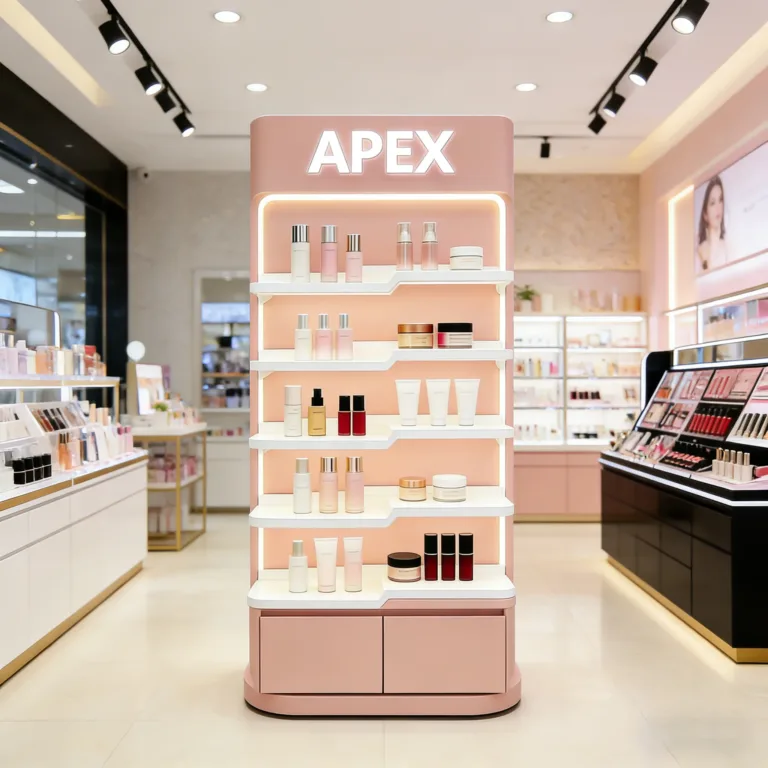
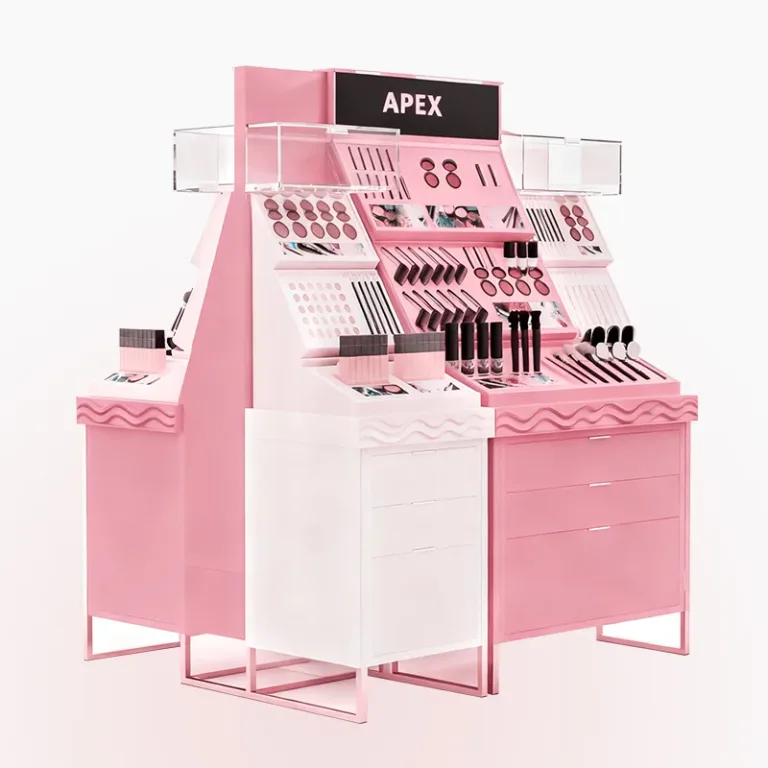
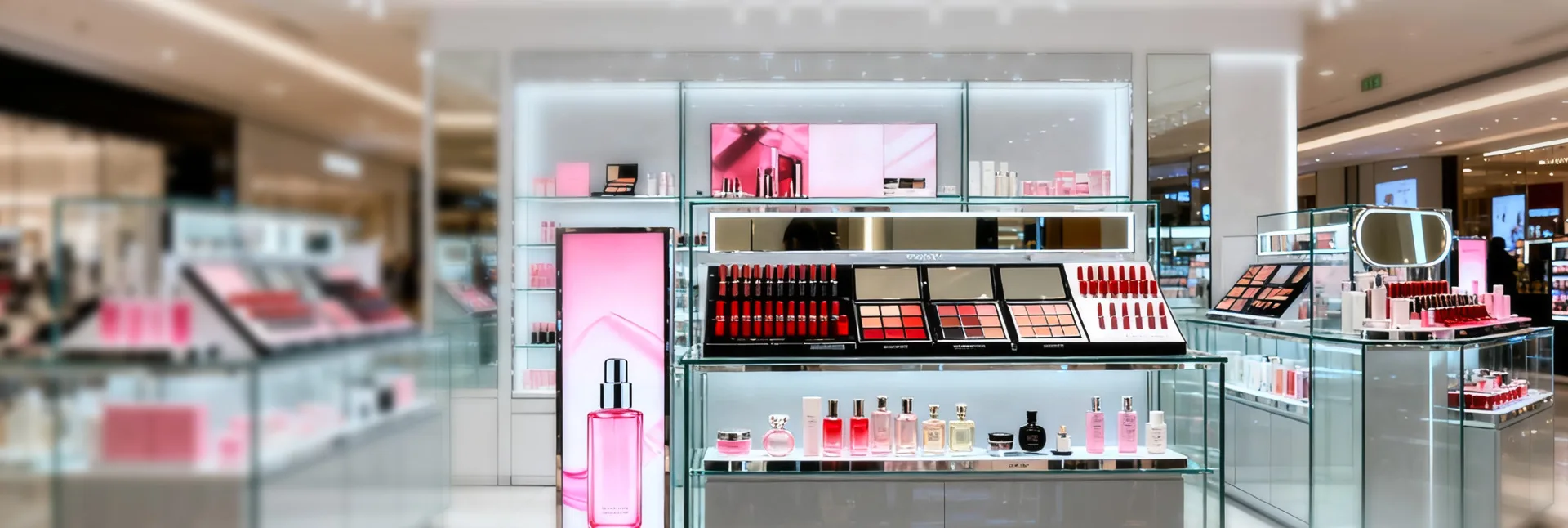
Key Takeaway: Based on Rockwell and Brinell test results, acrylic is generally harder than MDF. Although MDF may have higher Janka numbers, that test is more indicative of the density of wood fibers. In practical applications, acrylic performs better in resisting surface scratches and dents, making it especially suitable for products like an acrylic cosmetic display where aesthetics and durability are crucial.
Beyond Hardness: Other Factors to Consider
While hardness data is an important reference, a project’s success also depends on a material’s overall performance. This includes the following aspects:
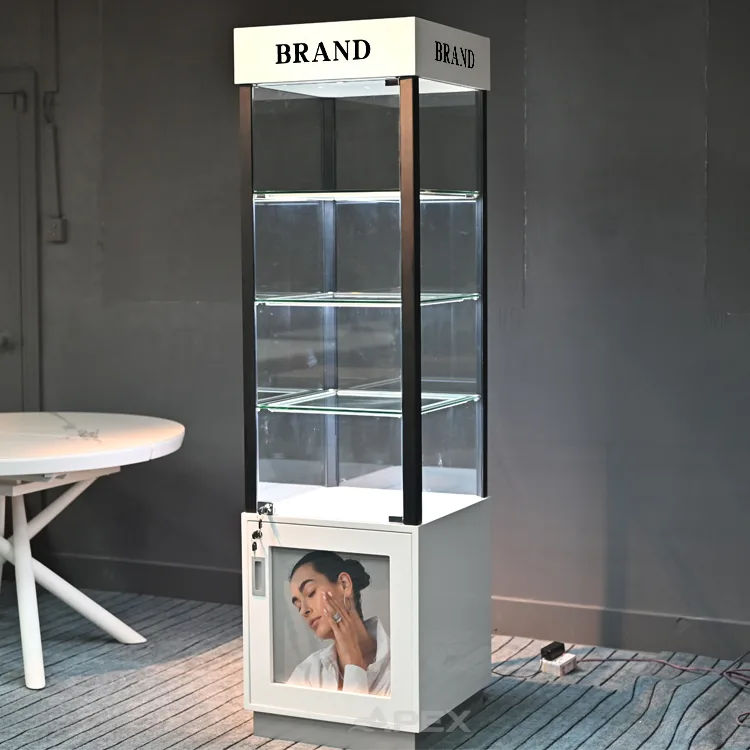
- Scratch and Dent Resistance: Acrylic’s high surface hardness provides excellent resistance to daily scratches. This is vital for items like acrylic Cosmetic Display or jewelry stands, ensuring they maintain their clarity and shine over time. In contrast, while MDF isn’t brittle, its surface is more prone to permanent dents.
- Machining and Edge Finish: MDF is easy to cut, but it creates a lot of dust. Acrylic requires a sharp tool and a cooling process; otherwise, the edges might melt. Professional machining capabilities ensure that acrylic products have smooth, precise cuts.
- Structural and Load-Bearing Considerations: Hardness does not equal strength. MDF shelves can sag under heavy, long-term loads. Acrylic, while dent-resistant, can become brittle and snap if bent improperly or in cold temperatures. Proper design can prevent these issues. As a specialized supplier of acrylic display racks, APEX has extensive experience in structural design.
- Environmental Resistance: MDF swells and warps in humid environments, affecting its edge stability and hardness. Acrylic, however, offers excellent resistance to water and UV rays, making it ideal for both indoor and outdoor use.
The APEX Advantage: More Than Just Materials
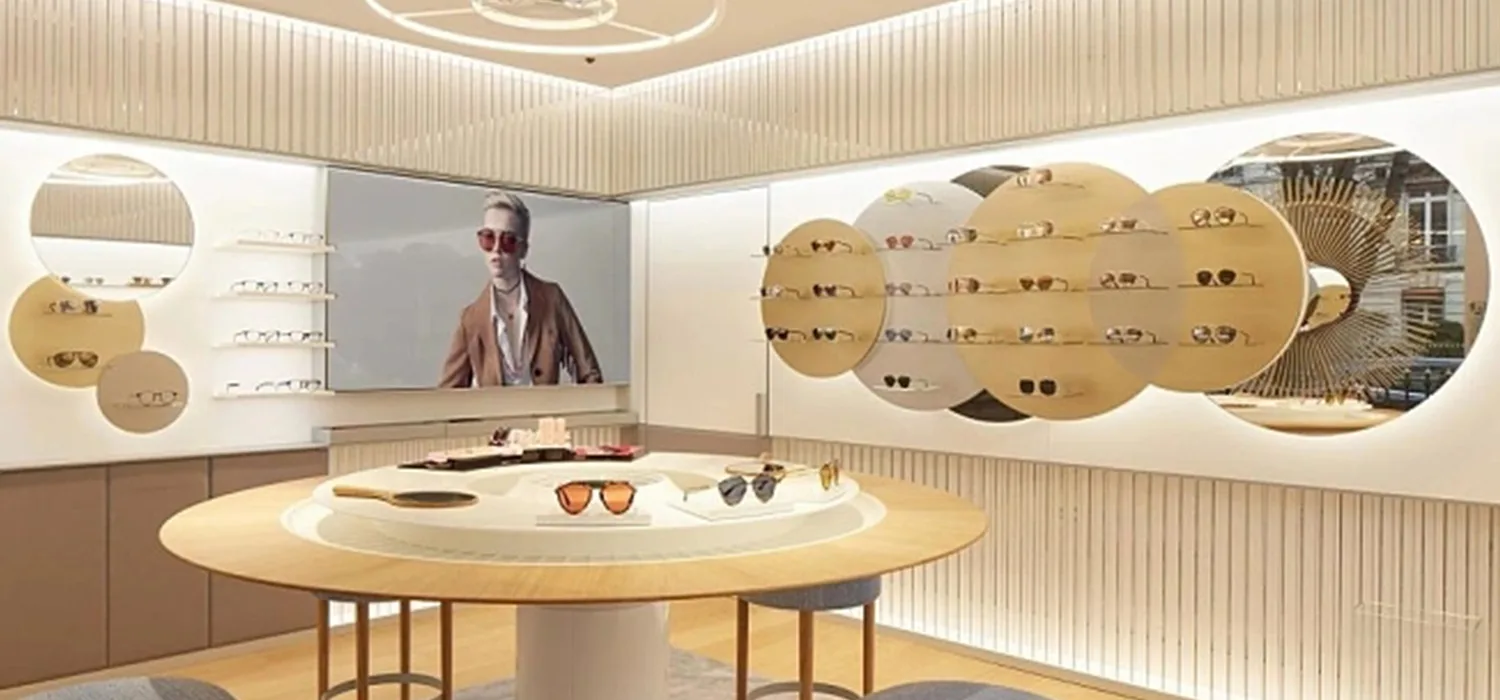
As a professional material expert, APEX provides not just high-quality acrylic products but also tailored material solutions for your project needs. We excel at combining acrylic with other materials like metal and wood, ensuring your product strikes the perfect balance between aesthetics, functionality, and cost.
Conclusion: Let APEX Be Your Material Expert
Whether your project requires a material with high surface hardness, a specific visual effect, or a controlled budget, APEX offers expert advice and one-stop solutions. We are dedicated to simplifying your procurement process, from concept development and prototyping to final manufacturing, ensuring your project is executed flawlessly. We are more than just a supplier of acrylic display racks; we are your trusted partner.