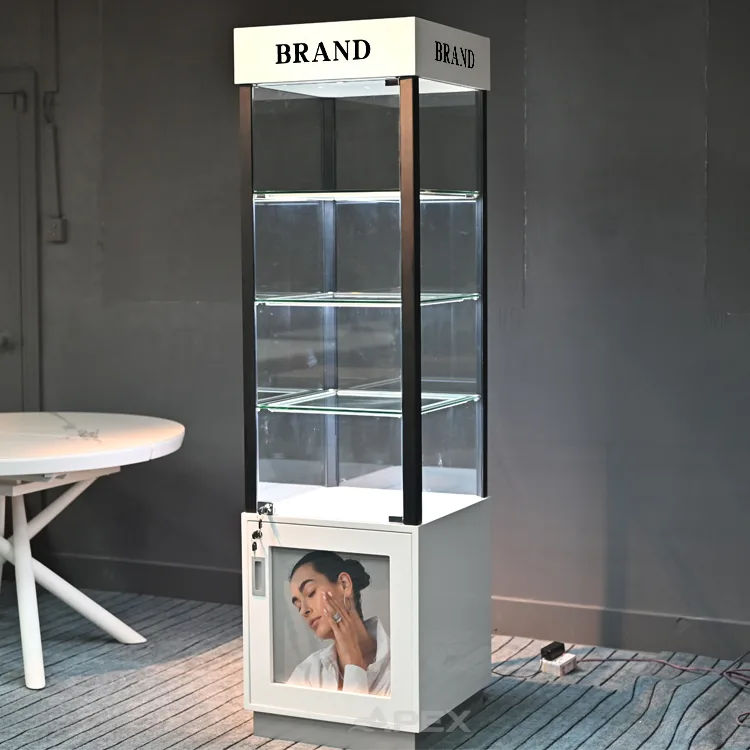
When considering materials for display stands, signage, or other business applications, acrylic and Plexiglass often come up as popular options. While these terms are frequently used interchangeably, they have differences that can affect their suitability for specific uses. This article breaks down their characteristics, differences, and which material might be the best choice for your business needs.
What Is Acrylic?
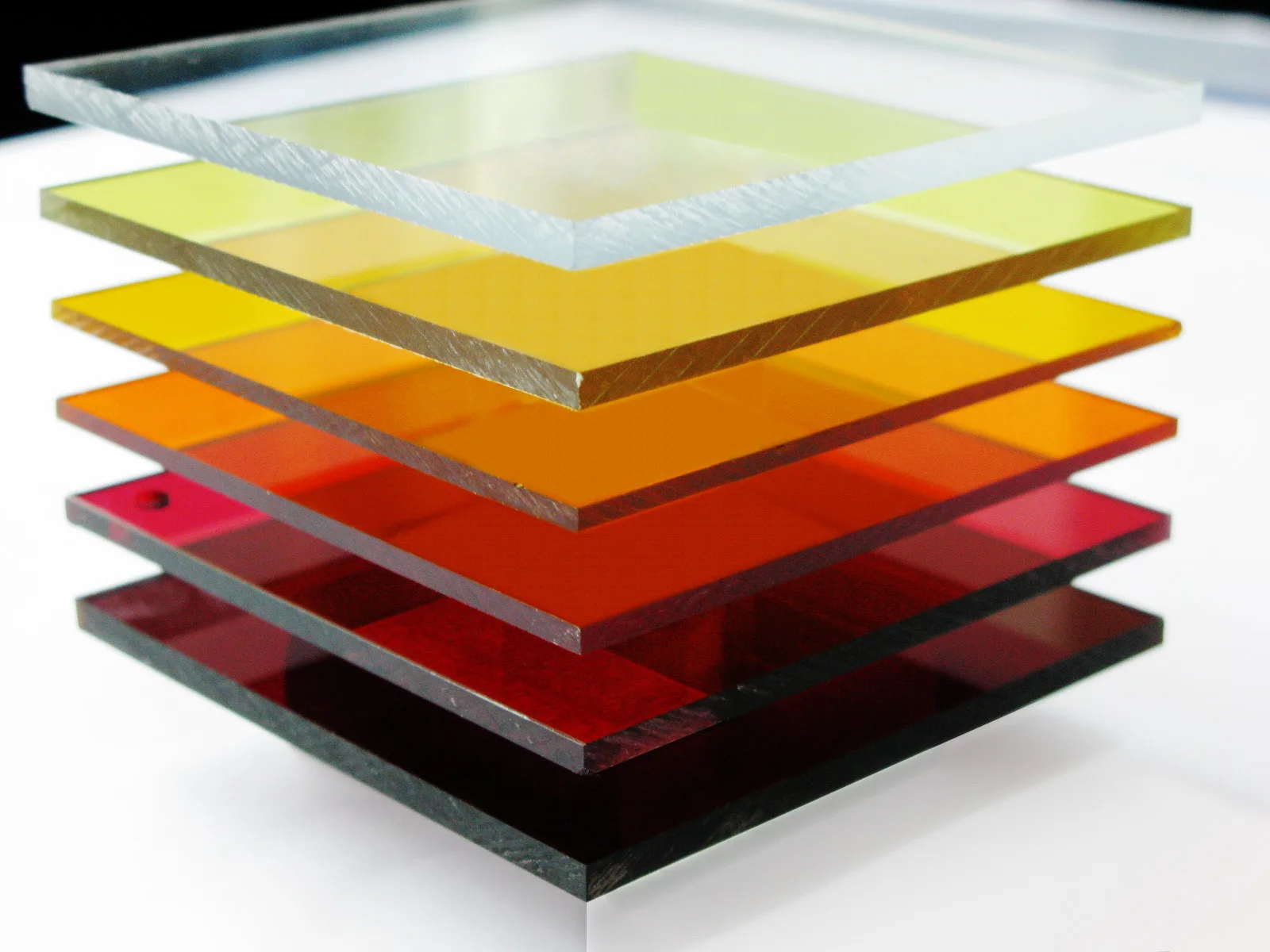
Acrylic, chemically known as polymethyl methacrylate (PMMA), is a transparent and lightweight thermoplastic widely used in various industries. Renowned for its excellent optical clarity and weather resistance, acrylic serves as an alternative to glass in applications requiring durability and versatility. Its ease of fabrication and adaptability make it a popular choice for creating visually appealing and functional products such as display stands, signage, and furniture.
What Is Plexiglass?
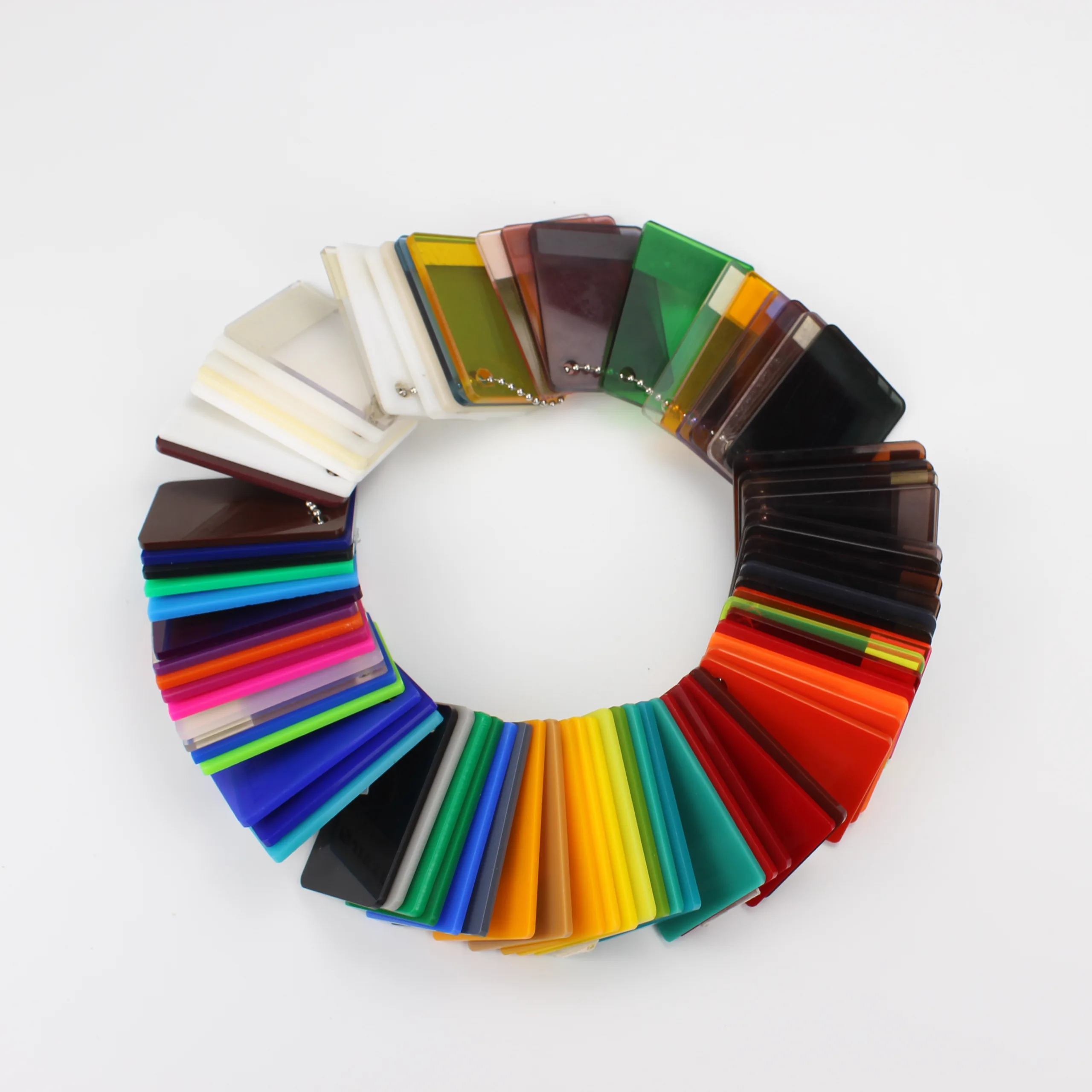
Plexiglass is a trademarked name originally introduced by the German company Röhm to describe a specific type of acrylic material. Known for its exceptional clarity and durability, Plexiglass is often associated with high-quality acrylic products. Although chemically identical to standard acrylic, the name Plexiglass has become synonymous with premium applications that require precise performance and visual appeal.
Major Differences Between Acrylic and Plexiglass
The differences between acrylic and Plexiglass go beyond their names and delve into aspects like manufacturing, cost, strength, clarity, and applications. Understanding these distinctions is crucial for making an informed decision.
Manufacturing Process
One of the most significant differences lies in the manufacturing process. Acrylic can be produced through both extrusion and casting. Extruded acrylic is less expensive and suitable for projects requiring large quantities, while cast acrylic is more refined, with better optical properties and durability. In contrast, Plexiglass is exclusively manufactured using a casting process, which ensures a higher-quality product with greater consistency and resilience.
Cost
Cost is another factor that sets them apart. Acrylic is typically more budget-friendly, making it ideal for businesses looking to balance performance and affordability. Plexiglass, on the other hand, comes with a higher price tag due to its enhanced quality and the labor-intensive casting process. For projects where cost efficiency is a priority, acrylic often becomes the go-to option, while Plexiglass is chosen for applications demanding superior performance.
Durability and Strength
Durability and strength also differ between the two materials. While both offer excellent impact resistance compared to glass, Plexiglass tends to be slightly stronger and more scratch-resistant due to its manufacturing process. This makes Plexiglass a better choice for environments with higher wear and tear. Acrylic, while durable, is more prone to surface scratches, although these can be polished out relatively easily in most cases.
Clarity and Finish
In terms of clarity and finish, both materials are highly transparent, allowing for up to 92% light transmission, making them suitable for displays and signage. However, Plexiglass often offers better optical clarity and less distortion, which is crucial for high-end applications such as protective cases for artwork or precision optical equipment. Acrylic is also visually appealing but may display minor distortions under certain lighting conditions or angles.
Applications
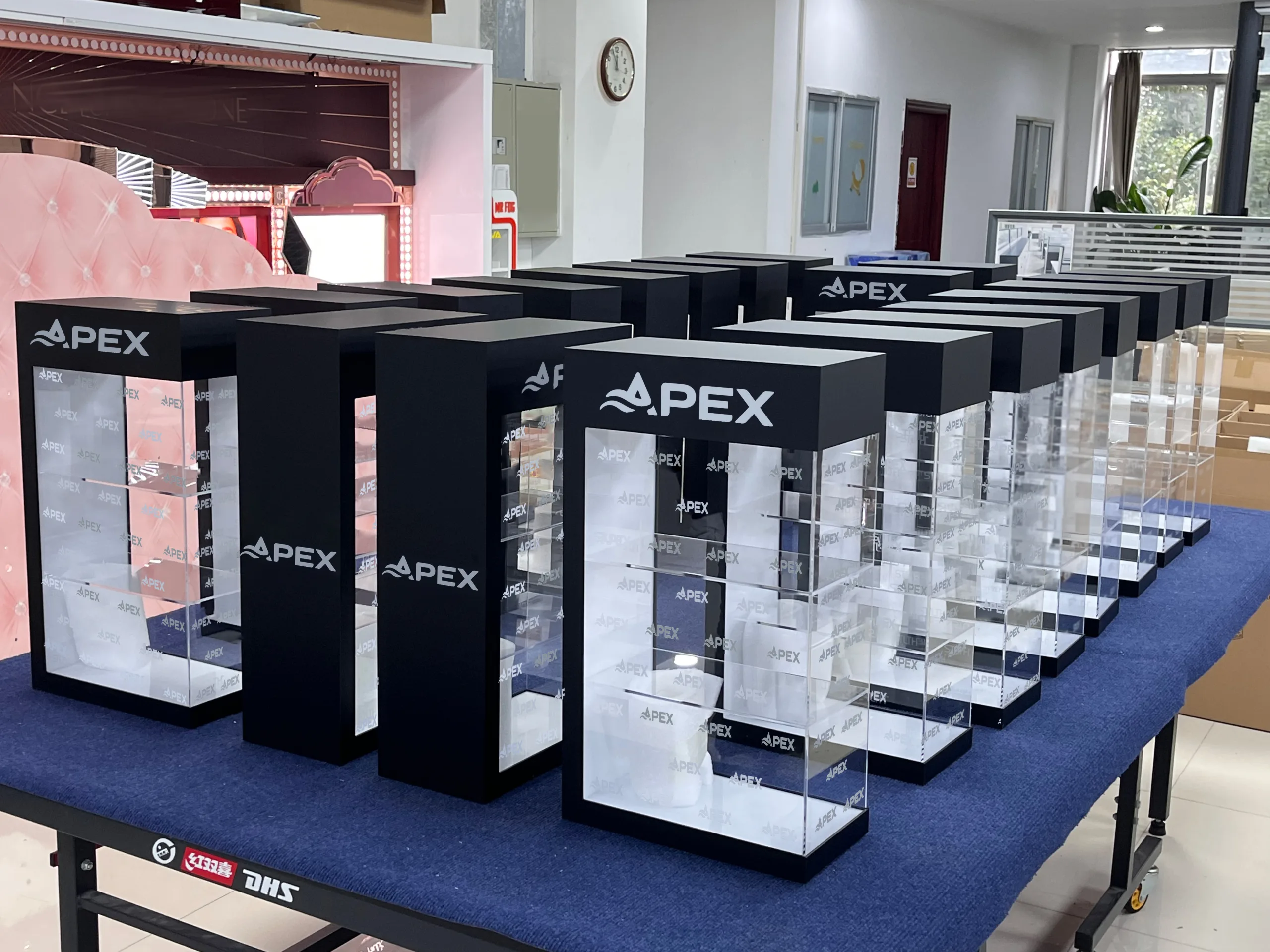
The applications of these materials further highlight their differences. Acrylic is widely used in sign holder, display stands, furniture, and retail displays due to its versatility and lower cost. Its ability to be molded into various shapes makes it ideal for custom projects. Plexiglass, with its premium quality, is reserved for more specialized uses, including medical devices, aircraft windows, and situations where exceptional durability and optical performance are necessary.
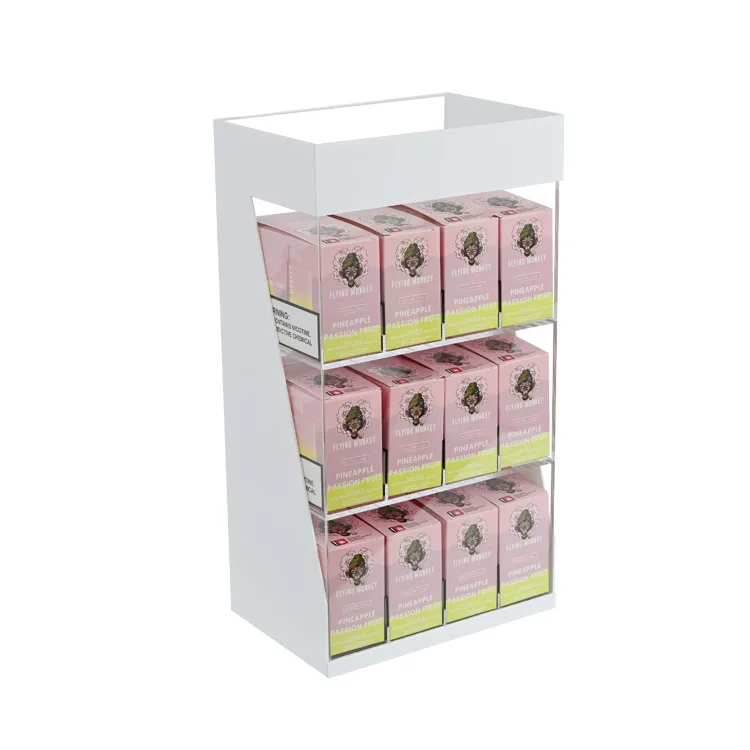
Which Should You Choose for Your Display Stands?
Choosing between acrylic and Plexiglass depends on your specific needs, including budget considerations, application requirements, and the desired appearance of your product. If affordability and versatility are your main priorities, acrylic is a practical choice. It is easy to customize and supports large-scale production, making it suitable for creating visually appealing and functional display solutions.
For projects that require a premium finish with enhanced strength and optical clarity, Plexiglass is an excellent option. Its superior quality makes it ideal for applications where the display needs to make a lasting impression or withstand more demanding conditions.
Ultimately, acrylic provides a reliable balance of cost, flexibility, and durability, making it a popular choice for businesses looking to create effective and attractive display stands without exceeding their budget. Meanwhile, Plexiglass is best suited for those aiming for a high-end, precision-crafted look.
Conclusion
Acrylic and Plexiglass each have unique strengths that cater to different needs. Acrylic offers cost-effective versatility, while Plexiglass excels in quality and durability. Understanding your project’s priorities will help you choose the material that delivers the best results.
Ready to elevate your displays? Contact us by apex@aapex.cn today to explore our custom acrylic solutions and discover how we can help you create durable, eye-catching display stands tailored to your needs.